How Many Times a Day Should a Cat Eat? A Realistic Feeding Guide.
If you’ve ever been stared down by a cat at 5 a.m. or tripped over a furry friend the second you walk in the kitchen, you know that mealtime is serious business. Figuring out how many times a day a cat should eat can feel like solving a puzzle, especially when they act like they’ve never been fed a day in their life.
The truth is, there isn’t one magic number that fits every cat. A playful kitten has very different needs than a laid-back senior. Your schedule, your cat’s health, and the type of food you use all play a part. Let’s break it down so you can find a routine that keeps your cat healthy and cuts down on the dramatic meowing.
Why Meal Frequency Matters for Your Cat.
Cats in the wild don’t eat one massive meal a day. They’re natural grazers, hunting and eating several small meals—think mice—throughout the day . Your house cat still has those instincts, even if their “hunting” involves chasing a crinkle toy.
Getting the feeding frequency right isn’t just about keeping them quiet. It helps with digestion, maintains steady energy levels, and is a major player in weight control. Free-feeding (leaving a bowl of kibble out all day) is one of the biggest reasons cats become overweight . A set schedule puts you in control.
How Many Times a Day Should a Cat Eat? By Life Stage.
The number of meals a cat needs changes as they age. Here’s the simple breakdown.
Kittens (Under 1 Year): Frequent Fuel for Growth
Kittens are tiny balls of energy with small stomachs and massive calorie needs. They need to eat much more often than adult cats to support all that growing .
- 0-6 months: This is the heavy-duty growing phase. Aim for 3 to 4 meals a day, or even more for the youngest kittens . A good rule is to let them eat as much as they want at each meal until about four months old, then start portioning .
- 6 months to 1 year: You can usually drop it down to 2 to 3 meals a day as their growth rate slows .
Adult Cats (1 to 7 Years): The Standard Routine.
For a healthy adult cat, the consensus is clear. Most cats do best with two meals a day .
This usually means a morning meal and an evening meal, spaced about 8 to 12 hours apart. This schedule fits well with most human routines and helps regulate a cat’s metabolism . Some experts even say that once-a-day feeding is fine for healthy adult cats, as long as they have no medical issues . However, two meals a day is often the sweet spot for preventing that “I’m starving!” behavior between feedings.
Senior Cats (7+ Years): Smaller, More Frequent Meals.
As cats get older, their bodies change. They might have trouble digesting large meals, or they may need extra encouragement to eat. Many seniors do better with 2 to 3 smaller meals a day . This is also a great time to ensure they’re getting plenty of moisture in their diet, so incorporating wet food is a smart move .
Finding the Right Cat Feeding Schedule by Age.
Once you know how often, the next step is figuring out when. Cats are creatures of habit. They thrive on routine, and a consistent schedule reduces anxiety and begging .
Here’s a sample cat feeding schedule by age to give you a starting point:
| Life Stage | Ideal Meals Per Day | Sample Schedule |
| Kitten (2-6 mos) | 3-4 meals | Early morning, late morning/noon, afternoon, evening |
| Kitten (6-12 mos) | 2-3 meals | Morning, afternoon (optional), evening |
| Adult (1-7 yrs) | 2 meals | Morning (7 a.m.) and Evening (7 p.m.) |
| Senior (7+ yrs) | 2-3 smaller meals | Morning, early evening, late evening |
Don’t be afraid to adjust. If your current schedule doesn’t work for your life, shift meal times gradually by 15-30 minutes each day to avoid stressing your cat out .
How Much to Feed a Cat Per Day: The Calorie Count.
Frequency is one thing, but portion size is just as important. You can’t answer “how many times a day should I feed my cat” without knowing how much to give them at each sitting.
An average, healthy 10-pound adult cat needs about 200 to 280 calories per day . This number changes based on activity level, if they’re spayed/neutered (they need fewer calories), and their body condition .
Here is a general how much to feed a cat chart to help you visualize it. Always check your specific food bag, as calorie content varies wildly.
| Cat’s Weight | Daily Calories (Approx.) | Dry Food Only (Approx.) | Wet Food Only (Approx.) | Combo Feeding (Approx.) |
| 5-7 lbs | 150-200 kcal | 1/4 – 1/3 cup | 1 ½ – 2 ½ (3 oz) cans | 1/8 cup dry + 1 can wet |
| 8-10 lbs | 200-260 kcal | 1/3 – 1/2 cup | 2 – 3 (3 oz) cans | 1/4 cup dry + 1 can wet |
| 11-15 lbs | 260-300 kcal | 1/2 – 2/3 cup | 3 – 4 (3 oz) cans | 1/3 cup dry + 1 ½ cans wet |
A note on portions: These are estimates. A “cup” means a standard measuring cup, not your coffee mug .
Building a Cat Feeding Schedule: Wet vs. Dry Food.
The kind of food you select will also influence your everyday schedule.
Building a Schedule with Dry Food.
Dry food is convenient. You can use an automatic feeder for precise portions, or even measure out the day’s allowance in a puzzle feeder to keep your cat entertained . Because it’s calorie-dense, accurate measuring is non-negotiable. A standard portion for an adult cat is often around 1/3 to 1/2 cup per day, split into two meals .
Building a Schedule with Wet Food
Wet food helps keep your cat hydrated, but it shouldn’t be left out for long periods. It will spoil and grow bacteria. This means wet food requires scheduled meal times. Your cat gets their meal, eats for 20-30 minutes, and then you pick up the leftovers .
The Best of Both Worlds: Combination Feeding.
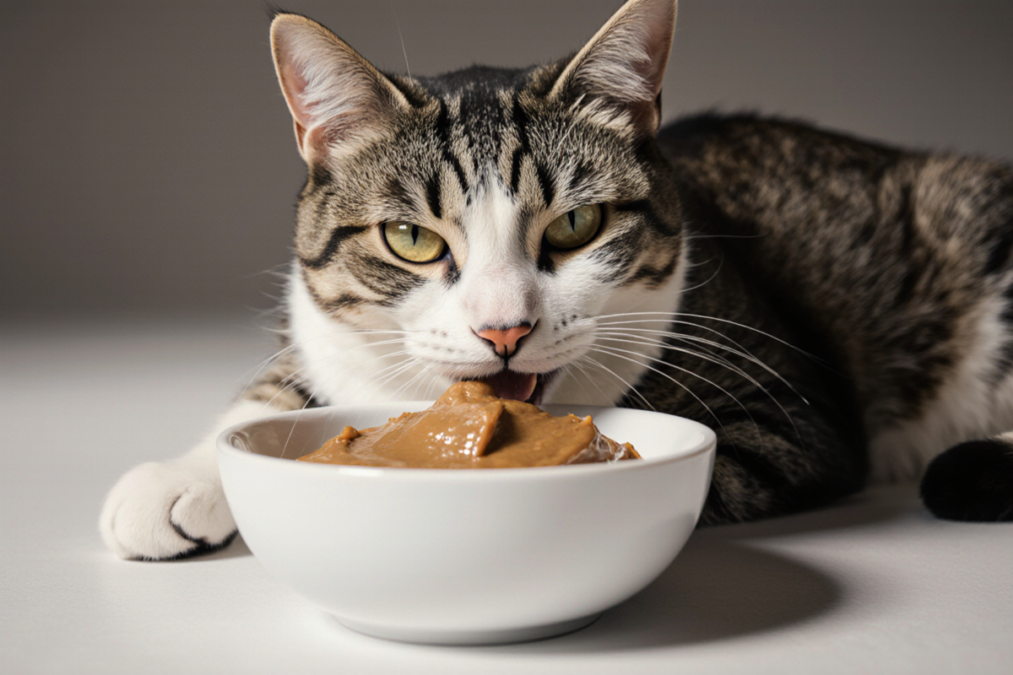
Many vets and owners love combination feeding . This usually means feeding a serving of wet food for one or two meals a day, and leaving a small, measured portion of dry food out for grazing, or providing it as a separate meal.
How a combo schedule looks:
- Morning (7 a.m.): Measured wet food.
- Midday (12 p.m.): Small, pre-portioned dry food (or from an automatic feeder).
- Evening (6 p.m.): Measured wet food.
- Late Night (10 p.m.): Optional tiny dry snack to help them sleep .
This method ensures your cat gets the hydration benefits of wet food while having the option to nibble on dry food if they get hungry between meals .
Real-Life Stories: What Reddit Teaches Us About Feeding.
Sometimes the most valuable advice comes from those with firsthand experience. A quick look at cat feeding schedule Reddit threads shows common struggles.
One user described their cat whining for dinner starting at 4 p.m., a full two hours before mealtime . The responses highlighted a few key points that align with expert advice:
- Boredom vs. Hunger: Sometimes the cat isn’t starving, just bored. Engaging them with a puzzle toy or a quick play session before you start cooking can distract them .
- Adjusting for Needs: Another Reddit thread on automatic feeders showed owners using 3-5 small meals a day to manage picky eaters, weight loss, or to prevent a cat from vomiting from going too long without food .
The takeaway? Your schedule should work for your cat. If they’re consistently acting hungry, it might be a sign to tweak the portion size or add an extra small meal.
Common Feeding Mistakes to Avoid.
Even if you mean well, errors can still occur. Here are some frequent mistakes to watch out for:
- Unmeasured free-feeding: Simply filling the bowl from a bag and refilling it throughout the day can quickly lead to weight gain in cats. Measuring your cat’s total daily portion is essential for keeping a healthy balance.
- Guessing portions: “That looks like a cup” isn’t accurate. Use a standard measuring cup or a kitchen scale to know exactly what your cat is getting .
- Forgetting treat calories: Those little treats add up fast. Experts recommend that treats make up no more than 10% of a cat’s daily calories.
- Inconsistent timing: Feeding at wildly different times each day can stress your cat out and lead to behavioral issues .
Printable Cat Feeding Chart Ideas.
Whether you have multiple cats or just want to stay organized, a basic chart can be incredibly helpful.You can create a printable cat feeding chart on a whiteboard or notepad with columns for:
- Date
- Morning Meal (Time & Amount)
- Afternoon Meal (Time & Amount)
- Evening Meal (Time & Amount)
- Treats Given
- Notes (e.g., “Ate slowly,” “Seemed hungrier”)
Frequently Asked Questions
Is it OK to feed a cat once a day?
For a healthy adult cat with no medical conditions, once-a-day feeding can be acceptable, according to the Cornell Feline Health Center . However, many cats and owners prefer two meals a day to manage hunger and begging.
Can cats go 8 hours without food?
Yes, healthy adult cats can easily go 8 hours without food overnight. This is a normal fasting period . However, kittens and cats with certain health conditions like diabetes cannot go this long.
How often should I feed my cat wet food?
You can feed wet food at every scheduled meal. Because it’s highly palatable and hydrating, feeding it at least once a day is a great goal. Just make sure to throw away any uneaten wet food after 30-60 minutes to prevent spoilage
How much dry food should a cat eat a day?
An average 10-pound cat needs about 1/3 to 1/2 cup of dry food per day . This should be split into at least two meals. Always check the calorie count on your specific bag of food, as this can vary by brand.
My cat always acts hungry. Should I feed him more?
Not necessarily. Constant begging can be a sign of boredom, or it could just be a habit. First, check that you’re feeding the right amount for their ideal weight. If they’re still acting hungry, try a food puzzle or a quick play session. If you’re concerned, a vet visit can rule out medical issues like hyperthyroidism or parasites .
Bringing It All Together.
Finding the right rhythm for feeding your cat doesn’t have to be complicated. Start with the basics: feed your adult cat twice a day, measure their food, and stick to a routine. Watch your cat’s body condition and energy levels, and don’t be afraid to tweak things.
Whether you land on a strict two-meal plan or a combination of wet and dry food, the most important thing is consistency. Your cat will thank you with purrs, head butts, and maybe—just maybe—they’ll let you sleep in past 5 a.m. once in a while.