Can Cats Eat Carrot? Here’s What You Should Know Before Sharing
You’re chopping up some fresh veggies for dinner, and your cat wanders over, looking curious. Maybe you’re wondering if it’s safe to toss a small piece their way. It’s a pretty common question for cat owners.
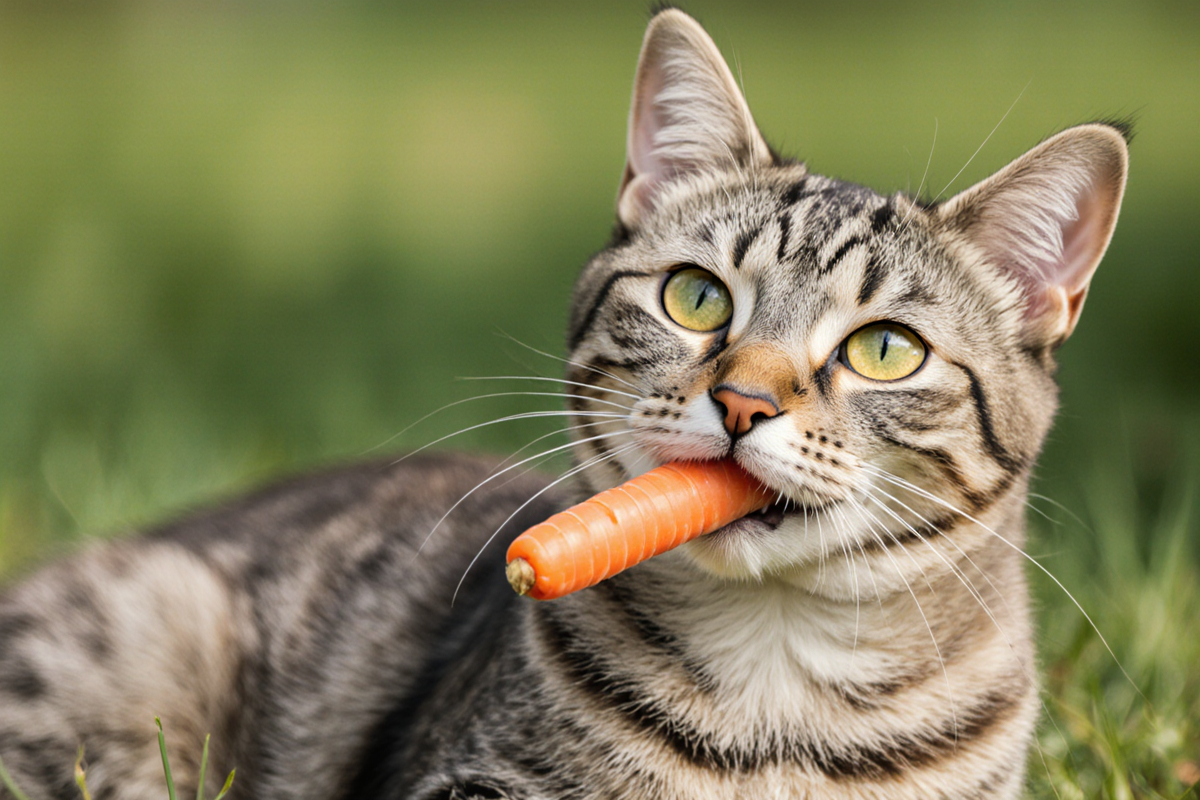
The short answer is yes, cats can eat carrots, but there’s a right way and a wrong way to feed them. Since cats are obligate carnivores (meaning they need meat to survive), veggies should never replace their regular food. But as an occasional treat? Cooked carrots can be perfectly fine .
Let’s break down everything you need to know before sharing that orange veggie with your feline friend.
Is It Safe for Cats to Eat Carrots?
Yes, carrots are nontoxic and generally safe for cats when prepared properly . Both adult cats and kittens can technically eat them, though kittens have more sensitive systems, so you’ll want to be extra careful there.
The safety really comes down to how you serve them. A plain, cooked carrot that’s cut into tiny pieces? That’s safe. A raw carrot stick or a carrot covered in seasonings? That’s where you run into problems .
Cats don’t have the digestive systems to break down raw vegetables efficiently. Their bodies are designed to process meat, not plant matter. So even though carrots aren’t toxic, your cat’s stomach might not appreciate them if they’re not prepared correctly.
Are Carrots Good for Cats? The Health Benefits
You might be wondering if carrots actually do anything good for your cat. They’re not essential, but they can offer some minor benefits when given as an occasional snack.
Potential benefits of carrots for cats:
- Fiber: Can help with digestion and stool quality
- Beta-carotene: An antioxidant that helps strengthen the immune system.
- Vitamins: Small amounts of Vitamin K1, B6, and potassium
- Moisture: Steamed or boiled carrots add extra hydration
- Low-calorie treat: A good option if your cat needs to watch their weight
That said, here’s the thing—cats can’t efficiently convert beta-carotene into Vitamin A like humans can . So while carrots are nutritious for us, the benefits for cats are more limited. They’re getting fiber and some antioxidants, but not the same vitamin boost we get.
When Carrots Are Bad for Cats: The Risks
Carrots aren’t dangerous on their own, but certain situations can make them problematic. Here’s what to watch out for:
Choking Hazards
Raw carrots are hard and crunchy. Cats tend to bite and swallow rather than chew thoroughly, so a chunk of raw carrot can easily get lodged in their throat . Even cooked carrots need to be cut small—think pea-sized or smaller.
Digestive Upset
Too much carrot can lead to vomiting, diarrhea, or gas . Cats’ digestive systems aren’t built to handle lots of fiber and starch. Start with a tiny amount and see how your cat reacts.
Harmful Additives
This is a big one. If you’re eating carrots with butter, salt, garlic, or onions, do not share them with your cat. Garlic and onions are toxic to cats and can damage their red blood cells . Plain is the only way to go.
Sugar Content
Carrots have natural sugars. For most cats, a small piece now and then is fine. But for diabetic cats or those with weight issues, even those natural sugars can be problematic .
Cats Who Should Avoid Carrots
Some cats are better off skipping carrots entirely:
- Cats with diabetes
- Cats with a history of bladder stones
- Cats with chronic digestive issues
- Kittens under 12 weeks old
How to Feed Carrots to Your Cat Safely
If you’ve decided to let your cat try carrots, follow these steps to keep things safe:
- Wash and peel the carrot to get rid of dirt and pesticides.
- Cook it until soft—steaming, boiling, or baking all work
- Keep it plain—no salt, no butter, no seasonings whatsoever
- Cut it into small pieces about the size of a pea.
- Start small—offer just one or two pieces and wait to see how they react
You can serve the pieces on their own, mix them into your cat’s regular food, or mash them up and stir them in .
Raw Carrots: Why You Should Avoid Them
Raw carrots are too hard for most cats to chew properly. They pose a choking risk and are difficult to digest, which can lead to an upset stomach . Stick to cooked carrots—they’re softer and much safer.
How Much Carrot Can a Cat Eat?
Treats (including carrots) should make up no more than 10% of your cat’s daily calories . For an average 10-pound cat, that’s about 1–2 teaspoons of cooked, diced carrot, offered just a few times per week .
Remember: carrots aren’t a meal replacement. The other 90% of their nutrition should come from high-quality cat food that meets all their needs .
Can Kittens Eat Carrots?
Kittens have delicate digestive systems, so it’s best to wait until they’re at least 6–12 months old before introducing carrots . If you do offer a taste, make sure the carrot is very well-cooked and pureed or cut into extremely small pieces.
Even then, kittens need all their nutrition to come from kitten-formulated food to support proper growth . A tiny piece once in a while probably won’t hurt, but don’t make it a habit.
Signs Your Cat Ate Too Many Carrots
If your cat gets into the carrots when you’re not looking, watch for these symptoms :
- Vomiting
- Diarrhea
- Gas or bloating
- Lethargy
- Decreased appetite
Most cases resolve within 12–24 hours. Make sure fresh water is available and stick to their regular food until things settle down . Call your vet if symptoms last longer than a day, if your cat seems unusually tired, or if you notice changes in urination .
Carrots vs. Other Vegetables for Cats
How do carrots stack up against other cat-safe veggies?
| Vegetable | Key Benefit | Best For | Notes |
| Carrots | Fiber, beta-carotene | Occasional treat | Cook and cut small |
| Pumpkin | High fiber | Digestive issues (constipation/diarrhea) | Plain canned or cooked |
| Green beans | Low-calorie fiber | Weight management | Plain, cooked or raw |
| Peas | Vitamins, fiber | Variety | Can be fresh or frozen (thawed) |
| Spinach | Iron, nutrients | Healthy cats | Avoid if cat has urinary issues |
Pumpkin is actually better than carrots for cats with digestive problems because it has more fiber . But for a simple, low-calorie treat, carrots work fine.
Common Questions About Cats and Carrots
Can cats eat raw carrots?
No. Raw carrots are a choking hazard and hard to digest. Always cook them first .
Can cats eat carrot tops or greens?
No. The leafy greens can cause digestive upset and should be avoided .
Can cats drink carrot juice?
It’s not recommended. Carrot juice loses the fiber and concentrates the sugar. A tiny lick probably won’t hurt, but water should always be their main drink .
Is carrot like catnip for cats?
No, carrots don’t have any effect on cats like catnip does. If your cat seems interested, it’s probably due to the texture or curiosity .
My cat ate a piece of raw carrot—should I worry?
One small piece likely won’t cause problems, but watch for choking or digestive upset. Raw carrots are risky mainly because of their hardness, so monitor your cat closely .
Can diabetic cats eat carrots?
Probably not. Carrots contain natural sugars that can affect blood sugar levels. Check with your vet first .
Vegetables Cats Should NEVER Eat
While carrots are safe, some vegetables are toxic to cats and should always be avoided :
- Onions and garlic (and anything in that family—shallots, chives, leeks)
- Unripe tomatoes
- Raw potatoes (and green potatoes)
Also avoid any vegetables cooked with seasonings, oils, or sauces.
So, can cats eat carrots? Yes—as long as they’re cooked, plain, and cut into tiny pieces. Offer them occasionally as a treat, not as a meal replacement.
Most cats won’t miss carrots if they never have them. Their nutrition should always come from high-quality cat food formulated for their needs. But if your feline friend is curious about what you’re eating, a small piece of plain cooked carrot is a safe option to share.
Every cat is different. Some might love the texture, while others will sniff it and walk away. Neither response is wrong. Pay attention to how your cat reacts, and when in doubt, check with your veterinarian before introducing new foods.
After all, keeping your cat healthy is what matters most—whether they’re into carrots or not.