What Human Food Can Cats Eat? A Friendly Guide for Curious Cat Owners.
You know the scene. You’re finally sitting down with your plate of dinner, and there they are—your cat, parked right next to you, giving you that look. The stare. The slow blink. The tiny paw reaching out like they’ve never been fed a day in their life.
It’s hard to resist, right? But before you share a bite, you need to know: what human food can cats eat without getting sick? And what’s going to send you rushing to the vet at 10 p.m.?
Cats are obligate carnivores, which is a fancy way of saying their bodies are designed to run on meat. They don’t process carbs and plant matter the way we do . But that doesn’t mean you can’t share the occasional treat. You simply need to approach it wisely.
Here’s your go-to guide on what human foods cats can eat, what they should absolutely avoid, and how to share your plate safely.
The Golden Rule of Treats.
Before we dive into the list, let’s get one thing straight: treats are treats. Whether it’s catnip-flavored crunchies or a piece of your chicken, treats should only make up about 10% of your cat’s daily calories . The other 90% needs to come from their regular, nutritionally balanced cat food.
Why? Because even safe foods for cats aren’t complete foods. They don’t have the right balance of taurine, vitamins, and minerals your cat needs to stay healthy . So think of these human foods as occasional fun—not a replacement for mealtime.
Also, every cat is different. Introduce any new food slowly and in tiny amounts. If something seems off—vomiting, diarrhea, or just a weird look—stop feeding it and call your vet.
The Good List: Safe Human Foods Cats Can Eat.
Let’s start with the wins. These are the human foods cats can eat safely, as long as they’re prepared plain and simple. No salt, no butter, no garlic, no sauces.
Meats: The Obvious Winner.
Since cats are built for meat, this is where they shine.
- Cooked chicken and turkey: Plain, unseasoned, and boneless is the way to go. Boiled or baked is best. Dark meat is fine, but remove the skin and any visible fat .
- Lean beef, lamb, or pork: Again, fully cooked and drained of fat. A tiny bite of your Sunday roast? Sure. A chunk of bacon? Not so much—too salty .
- Liver: Small amounts of cooked liver are okay, but don’t overdo it. Too much liver can cause vitamin A toxicity, which is a real thing .
Fish: Good for the Coat.
Fish is packed with omega-3 fatty acids, which help keep your cat’s coat shiny and their skin healthy.
- Salmon, trout, and whitefish: Cooked, boneless, and unseasoned. Skip the raw stuff—it can harbor bacteria .
- Tuna: Yes, but only as an occasional treat. Too much tuna can lead to mercury buildup, and it’s not a balanced meal on its own. Stick to tuna packed in water, not oil .
Eggs: Protein Power.
Cooked eggs are a fantastic source of protein. Scrambled or boiled, no salt or butter. Raw eggs are a no-go (salmonella risk), and don’t let them eat the shell .
Vegetables: Yes, Some Cats Like Them.
Not every cat will care about veggies, but some actually enjoy the crunch.
- Pumpkin: This is a superstar for digestion. A spoonful of plain canned pumpkin (not pie filling) can help with constipation or diarrhea. It’s full of fiber .
- Carrots: Cook them until soft so they’re not a choking hazard. Raw carrots are too hard .
- Green beans, peas, and broccoli: Steamed or boiled, plain. Some cats like the texture, and they add fiber .
- Cucumber and zucchini: Low-calorie and hydrating. Peel them first to make it easier on their stomach .
Fruits: Sweet but Rare.
Cats don’t have sweet taste receptors, so they might not even be interested. But if yours is curious, these are safe in tiny amounts.
- Blueberries and blackberries: Full of antioxidants. Two or three berries is plenty .
- Watermelon and cantaloupe: Hydrating and safe—just remove all seeds and rind .
- Apples: A small, peeled piece is fine. Never feed the seeds—they contain cyanide .
- Bananas: High in sugar, so a tiny slice is enough .
Grains: Mostly Filler, But Safe.
Cats don’t need carbs, but a little plain grain won’t hurt.
- Cooked rice and oats: Plain, no sugar or milk. Sometimes vets recommend bland rice for tummy upsets .
- Plain bread: A tiny nibble is fine, but it’s nutritionally empty .
Dairy: Proceed with Caution.
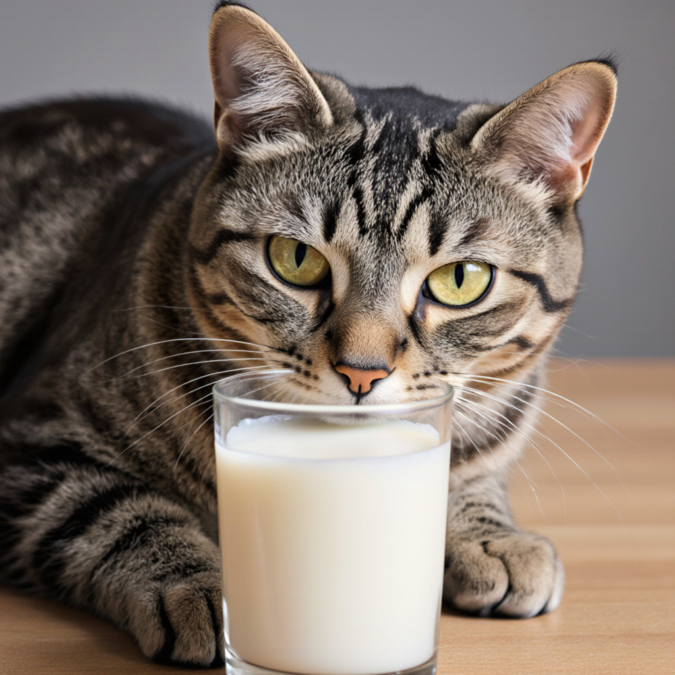
Here’s the thing about cats and milk: most adult cats are lactose intolerant . That means dairy can cause diarrhea or vomiting.
- Plain yogurt or cottage cheese: Small amounts are sometimes okay because the fermentation breaks down some lactose. But watch for reactions .
- Hard cheeses like cheddar: A tiny cube now and then is safer than milk .
The “Not Even Once” List: Toxic Foods to Avoid.
This is the part you really need to pay attention to. Some foods are so dangerous that even a small amount can send your cat to the emergency room.
The Big Toxins.
- Onions, garlic, chives, leeks: All forms—raw, cooked, powdered—are toxic. They harm red blood cells and may lead to severe, potentially fatal anemia.
- Chocolate: Contains theobromine and caffeine, both poisonous to cats. Dark chocolate is worse than milk chocolate, but none of it is safe .
- Grapes and raisins: May trigger sudden kidney failure in cats—even a single grape can be dangerous.
- Xylitol: This artificial sweetener (found in sugar-free gum, peanut butter, and baked goods) causes blood sugar crashes and liver failure. Check labels carefully .
- Alcohol: Even a tiny lap of your drink can be fatal. Keep glasses out of reach .
Other Dangerous Foods.
- Raw meat, fish, or eggs: Risk of bacteria like Salmonella and E. coli .
- Cooked bones: They may break into sharp pieces and pierce the digestive system. Never give your cat the leftover chicken bone .
- Avocado: Has persin, a substance that may lead to vomiting and diarrhea.
- The pit is also a choking hazard .
- Nuts (especially macadamia): High in fat and hard to digest. Macadamia nuts are specifically toxic .
- Citrus fruits: Lemons, limes, oranges—can cause stomach upset .
- Caffeine and coffee: Speeds up heart rate and can cause seizures .
Seasonings and Salt.
If it’s seasoned, don’t share. Garlic powder, onion salt, chili flakes, and even too much salt are all bad news. Cats’ bodies aren’t built to process high sodium or spices .
What About Homemade Cat Food?
Some owners want to go beyond the occasional treat and cook full meals for their cat. That’s possible, but it’s tricky. Cats have very specific nutritional needs—taurine, arachidonic acid, the right calcium-phosphorus balance . Missing even one can cause health problems.
If you’re serious about homemade food, you need a recipe formulated by a vet and the right supplements. Guessing won’t cut it. For most of us, it’s safer to stick to commercial food and use human food as the occasional bonus.
Quick Comparison Table: Safe vs. Unsafe.
| Safe (Plain, Cooked, Tiny Amounts) | Unsafe (Avoid Completely) |
| Chicken, turkey, lean beef | Onions, garlic, chives |
| Salmon, trout (boneless) | Chocolate, coffee, caffeine |
| Scrambled or boiled eggs | Grapes, raisins |
| Pumpkin, carrots, peas | Xylitol (artificial sweetener) |
| Green beans, broccoli | Alcohol, raw dough |
| Blueberries, apple (no seeds) | Macadamia nuts, walnuts |
| Watermelon (seedless) | Avocado |
| Plain rice, oats | Cooked bones |
| Plain yogurt or cottage cheese (small) | Raw meat, fish, eggs |
Practical Tips for Sharing Food Safely.
Okay, so you know what human foods cats can eat. But how do you actually do it without turning your cat into a dinner-time menace?
- Keep it tiny. A bite the size of your pinky nail is plenty. Remember, treats are 10% of their diet, and that’s not much.
- Cook it plain. Boil, bake, or steam. No butter, oil, salt, spices, or sauces.
- Cut it up. Small pieces prevent choking and are easier to digest.
- No bones, no seeds. Ever.
- Watch for reactions. Some cats have sensitive stomachs. If they get sick, don’t give that food again.
- Don’t feed from the table. If you make a habit of sharing your dinner, you’ll never eat in peace again. Put their treat in their own bowl, away from your plate.
FAQ: Real Questions Cat Owners Ask
Can cats eat peanut butter?
Generally, no. It’s high in fat and often contains xylitol or salt. It’s a choking risk, too .
Can cats eat cheese?
Small amounts of hard cheese are usually okay, but many cats are lactose intolerant. Watch for upset tummies .
Can kittens eat human food?
Kittens have even stricter nutritional needs. Stick to kitten formula food. If you want to offer a treat, check with your vet first .
What human food can cats eat every day?
Honestly? Very little. A small daily bite of cooked chicken is probably fine, but variety is better, and even that should be minimal. Most days, stick to their regular food .
Can cats eat bread?
Plain bread in a tiny piece is safe, but it’s just empty calories. No nutritional value .
What should I do if my cat eats something toxic?
Call your vet immediately. Don’t wait for symptoms. If it’s after hours, find an emergency vet. Time matters .
So, what human food can cats eat? Quite a bit, actually—as long as it’s plain, simple, and served in moderation. A bite of chicken here, a spoonful of pumpkin there. It’s a nice way to bond, and your cat will definitely appreciate the effort.
But the foundation of their health is still their regular cat food. That’s where they get everything they need to thrive. Think of human food as the cherry on top—not the whole sundae.