The African Grey Parrot: A Complete, Honest Guide for Owners
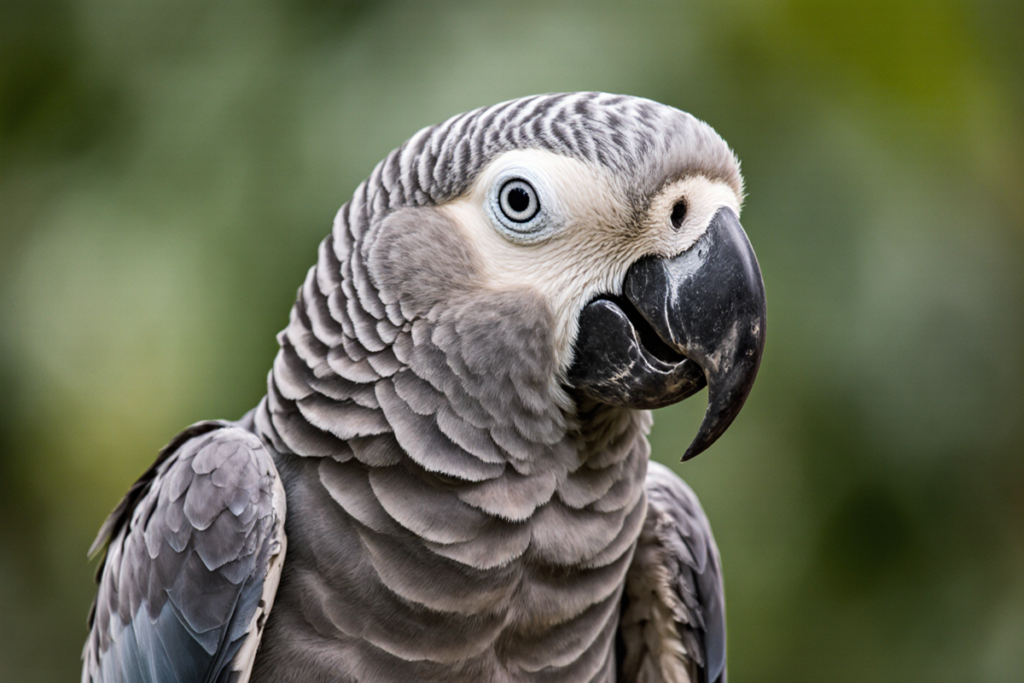
The African Grey Parrot is widely known as the smartest bird in the avian world—and it truly earns that reputation.Known for remarkable intelligence and an almost unbelievable ability to mimic human speech, this parrot quickly captures hearts. But behind the talking talent is a deeply emotional, highly sensitive bird that requires far more than basic care.
This guide is designed to give you a realistic, experience-based look at what it truly means to live with an African Grey Parrot—from lifespan and intelligence to daily care and long-term responsibility.
Understanding the African Grey Parrot
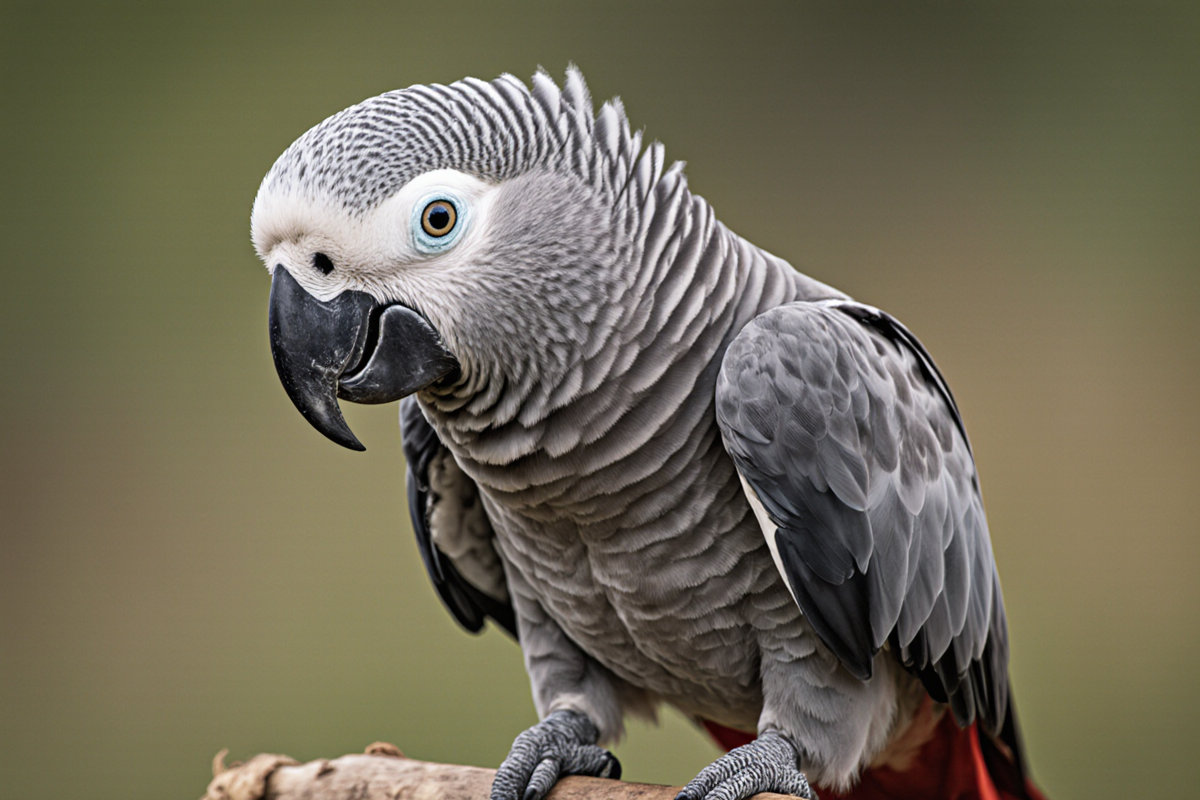
African Grey Parrots originate from the thick rainforests of Central and West Africa.
The two main types you’ll encounter are:
- Congo African Grey – Larger in size, light grey feathers, and a bright red tail.
- Timneh African Grey – Slightly smaller, darker grey coloring, maroon tail, and a horn-colored upper beak.
Both varieties share the same legendary intelligence, though their personalities and appearance can differ slightly. No matter the type, one thing remains constant: this is not a casual pet choice.
African Grey Parrot Lifespan: A Lifetime Commitment
One of the most important things to understand before bringing an African Grey home is how long they live. The African Grey parrot lifespan commonly ranges from 40 to 60 years, and some individuals have been known to live even longer with excellent care.
This means an African Grey is often a lifelong companion. In many cases, they may outlive their owners, which makes future planning an essential part of responsible ownership.
The Reality of African Grey Parrot Intelligence
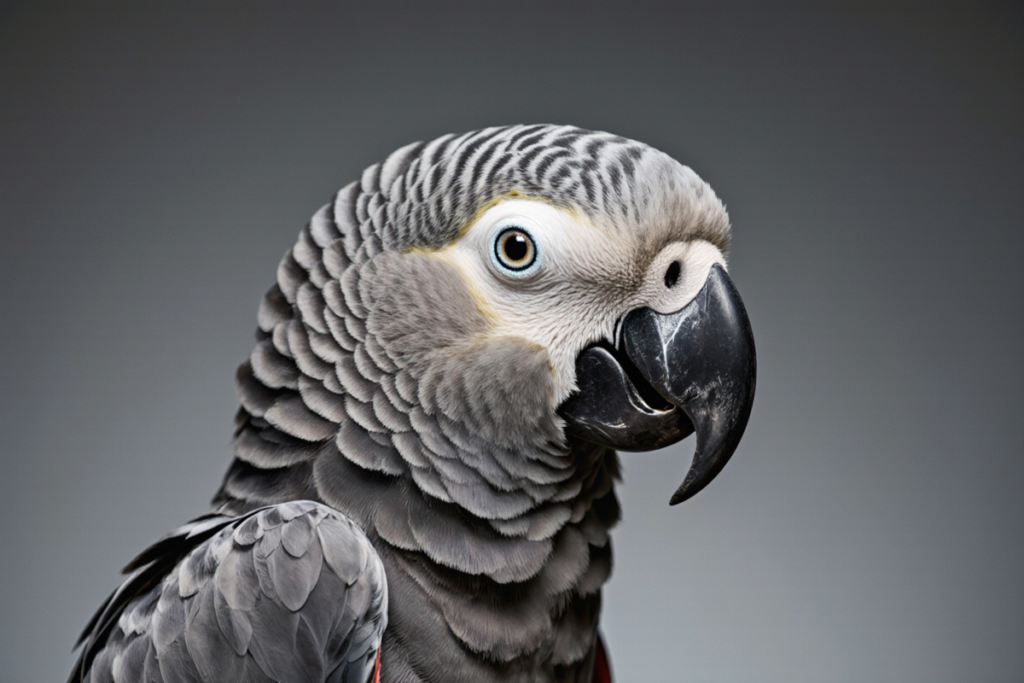
African Greys don’t just repeat words—they understand them. Research, including the famous studies involving Alex the African Grey, showed that these birds can recognize colors, shapes, numbers, and even abstract ideas.
Pros of Their Intelligence.
- Strong Emotional Bonds – They form deep, loyal connections with their favorite person
- Meaningful Communication – A talking African Grey often uses words in the correct context
- Highly Trainable – They enjoy learning tricks, solving puzzles, and interactive play
Cons of Their Intelligence.
- Boredom Leads to Problems – Without stimulation, they may scream, become aggressive, or pluck feathers
- Emotionally Sensitive – Stress, household tension, or routine changes affect them deeply
- Time-Intensive – They need daily mental and social interaction to stay healthy
An African Grey is not a decorative cage bird. It’s a thinking, feeling family member.
African Grey Parrot Care Essentials
Proper care goes beyond feeding—it’s about creating an enriching and emotionally secure environment.
The Ideal African Grey Parrot Cage.
Your parrot’s cage should feel safe, spacious, and engaging.
- Minimum Size: 36″ W × 24″ D × 48″ H
- Bar Spacing: ¾” to 1″
- Material: Heavy-duty, powder-coated metal
Inside the cage, include natural perches, food and water stations, and a variety of toys. Rotate toys regularly to keep your African Grey mentally engaged.
Creating a Healthy African Grey Parrot Diet.
Diet plays a massive role in your bird’s long-term health. A seed-only diet can lead to serious illness.
- Pellets: 70–80% of the diet (high-quality brands only)
- Fresh Vegetables: Daily servings of leafy greens, bell peppers, carrots, sweet potato
- Fruits: Limited amounts like berries or apples
- Treats: Nuts and seeds in moderation
❌ Never feed: Avocado, chocolate, caffeine, alcohol, salty or fatty foods
Cost & Commitment: Beyond the Purchase Price
The African Grey parrot price from a reputable breeder usually ranges between $1,500 and $3,500+. But the real investment continues for decades.
Ongoing Expenses Include:
- Large, durable cage
- Quality food and fresh produce
- Constant toy replacement
- Annual avian vet visits
Because of these challenges, African Grey adoption is a wonderful option. Many rescued Greys need experienced, loving homes after being rehomed multiple times.
Is an African Grey Parrot Right for You?
A Good Match If You:
- Have bird experience or are deeply committed to learning
- Live in a calm, stable household
- Are home most of the day
- Can provide structure, patience, and routine
Not Recommended If You:
- Want a low-maintenance pet
- Travel frequently or have an unpredictable schedule
- Are unprepared for long-term costs
- Cannot commit emotionally for decades
Final Thoughts: A Remarkable, Lifelong Companion
The African Grey Parrot is not just a pet—it’s a relationship that can last a lifetime. Living with one means sharing your home with a brilliant, emotionally complex being who thrives on connection.
If you’re ready for that level of responsibility, the reward is extraordinary: a bond unlike any other in the bird world.
Looking for other intelligent pet birds? Explore our guides on Amazon Parrots or the playful charm of Cockatiels.
African Grey Parrot FAQ
Q: How long do African Grey Parrots live?
A: With proper care, African Grey parrots typically live 40–60 years, sometimes longer.
Q: How much does an African Grey Parrot cost?
A: Expect to pay $1,500–$3,500 from breeders, plus ongoing care costs.
Q: Are African Grey Parrots good talkers?
A: Yes, they are among the best talking parrots, often using words in context.
Q: How smart are African Grey Parrots?
A: Their intelligence is comparable to a young child in problem-solving and emotional understanding.
Q: What should I feed my African Grey?
A: A pellet-based diet with daily fresh vegetables, limited fruit, and occasional treats.