Smartest Bird Species: Top 10 Genius Birds Ranked
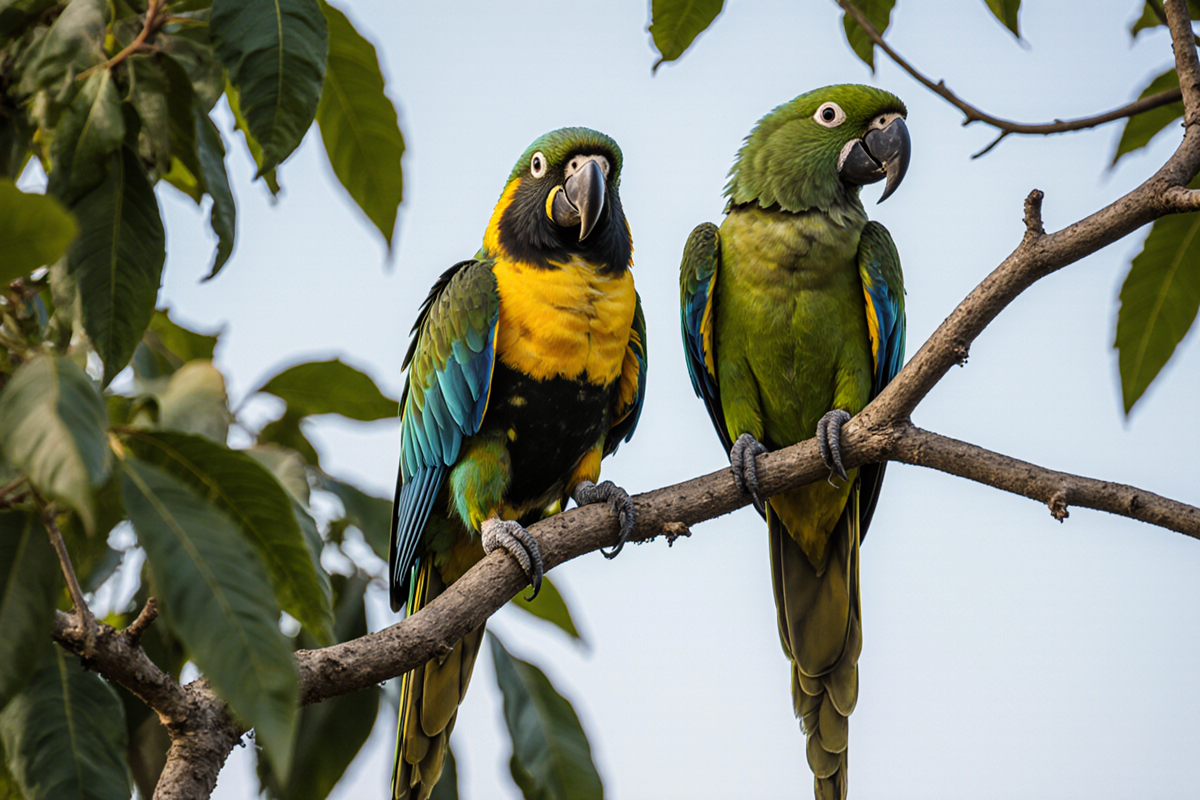
When people talk about animal intelligence, dolphins, apes, or dogs usually steal the spotlight. Yet many bird species quietly rival — and sometimes surpass — these animals in raw brainpower. The smartest bird species show remarkable problem-solving skills, emotional awareness, memory, and communication abilities that challenge what we think birds are capable of.
From parrots that understand words in context to crows that design tools, these feathered geniuses are far more than colorful companions. This in-depth guide ranks the top ten smartest birds, explains what truly defines avian intelligence, and explores what life is really like with a highly intelligent bird.
Understanding Bird Intelligence: More Than Just Tricks
Bird intelligence goes far beyond mimicking a few words or performing cute tricks. Scientists evaluate avian intelligence using several important benchmarks:
- Problem-Solving: Solving puzzles, unlocking food containers, or adapting to new challenges.
- Tool Use: Using or modifying objects to achieve a goal — a skill once believed to be exclusive to humans.
- Social Intelligence: Understanding flock dynamics, forming alliances, and recognizing individual birds and humans.
- Communication: Using specific sounds or calls with meaning, not just imitation.
- Memory: Remembering food cache locations or recognizing familiar people years later.
With these measures in mind, let’s meet the true intellectual elites of the bird world.
The Top 10 Smartest Birds Ranked
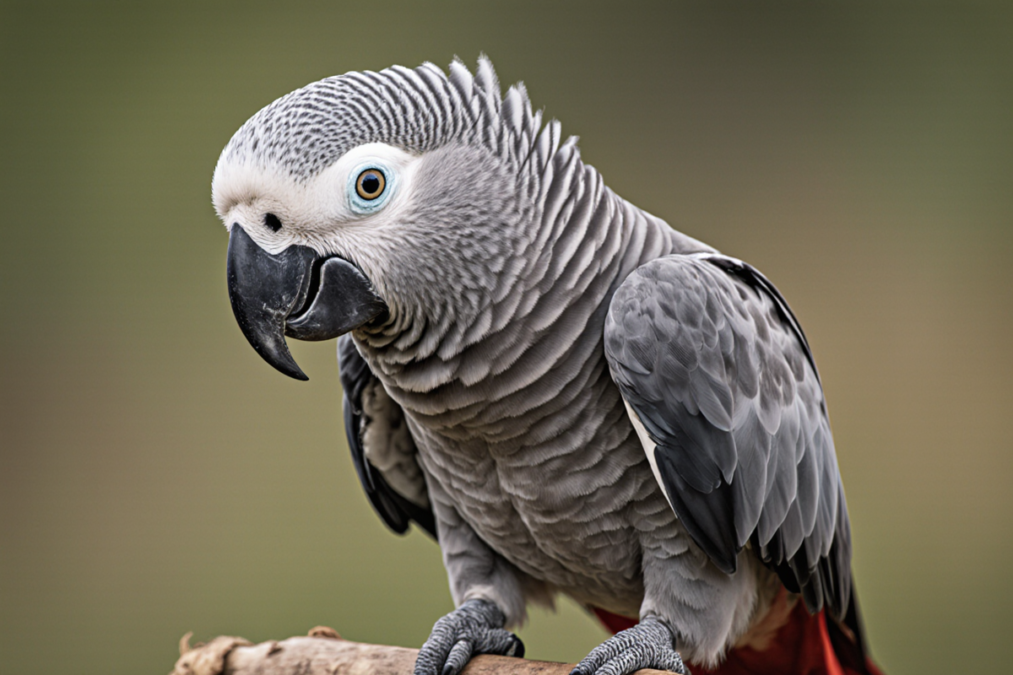
1. African Grey Parrot
- Hardy Nature: ❌ No. Highly sensitive to care mistakes in diet, routine, and environment. Prone to stress-related illness.
- Friendly Personality: ⚠️ Selective. Deeply bonds with one or a few people; can be aloof or fearful of strangers.
- Moderate Noise Level: ✅ Yes. Not as loud as macaws or cockatoos; capable of loud calls but not constant screaming.
- Easy Care: ❌ No. Requires complex mental enrichment, specialized diet, large cage, and meticulous dust control.
- Affordable: ❌ No. Very high purchase price and extremely high ongoing costs for toys, vet care (avian specialists), and food.
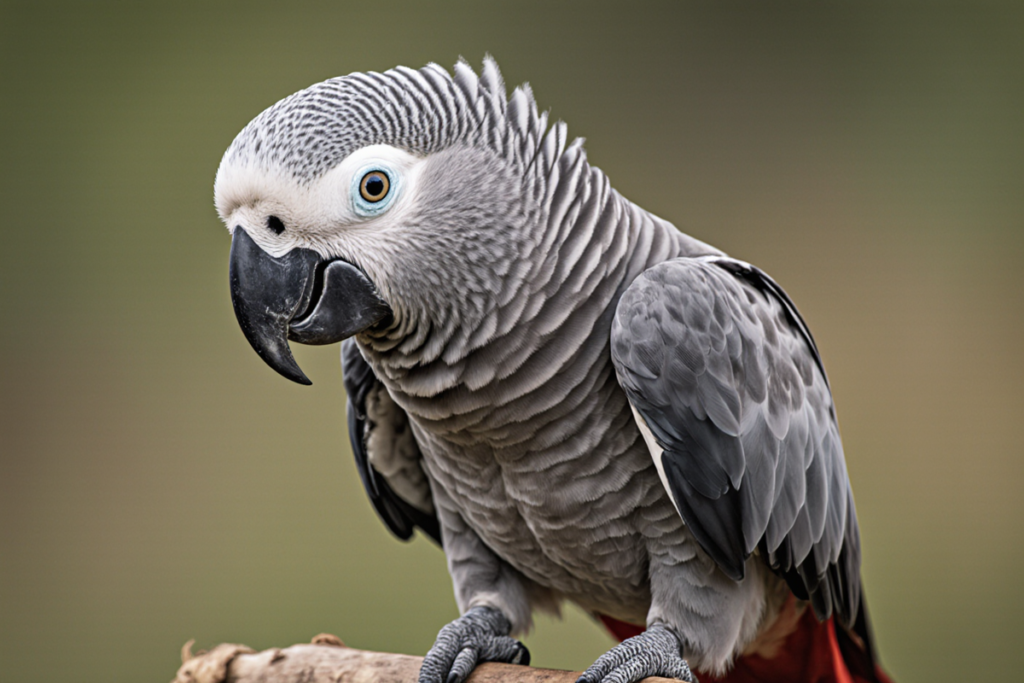
Widely considered the most intelligent parrot species, the African Grey is often described as the scholar of the avian world. Famous research — especially Dr. Irene Pepperberg’s work with Alex — revealed their ability to understand colors, shapes, numbers, and even abstract concepts like “none.”
Pros:
- Exceptional reasoning and language skills
- Forms deep emotional bonds with owners
- Generally quieter than many large parrots
Cons:
- Highly sensitive; boredom can lead to feather plucking
- Needs daily mental engagement and interaction
- Powdery dander may affect allergy sufferers
Suggested Image ALT Text: An African Grey parrot studying a puzzle toy, highlighting advanced bird intelligence.
2. Kea
- Hardy Nature: ❌ No. Not suitable for typical home captivity; requires highly specialized, cool alpine-like environments.
- Friendly Personality: ⚠️ Bold, not cuddly. Incredibly curious and interactive, but in a mischievous, destructive way rather than a snuggly one.
- Moderate Noise Level: ❌ No. Can be very loud with harsh, raucous calls.
- Easy Care: ❌ No. Exceptionally difficult; extreme enrichment needs and destructive power make “easy care” impossible.
- Affordable: ❌ No. Extremely rare and illegal to own as a pet in most places without special permits; cost is prohibitive.
Found in the rugged alpine landscapes of New Zealand, the Kea is famous for its unmatched curiosity and creative problem-solving nature.In the wild, these parrots solve problems cooperatively, learn from one another, and even dismantle objects purely to see how they work.
Pros:
- Exceptionally curious and inventive
- Strong social learning abilities
- Striking olive-green feathers
Cons:
- Extremely destructive if under-stimulated
- Rare and unsuitable for most homes
- Demands constant enrichment
3. New Caledonian Crow
- Hardy Nature: ❓ Not Applicable. Wild bird, not kept as a pet.
- Friendly Personality: ❓ Not Applicable. Wild bird, not kept as a pet.
- Moderate Noise Level: ❓ Not Applicable. Wild bird, not kept as a pet.
- Easy Care: ❓ Not Applicable. Wild bird, not kept as a pet.
- Affordable: ❓ Not Applicable. Wild bird, not kept as a pet.
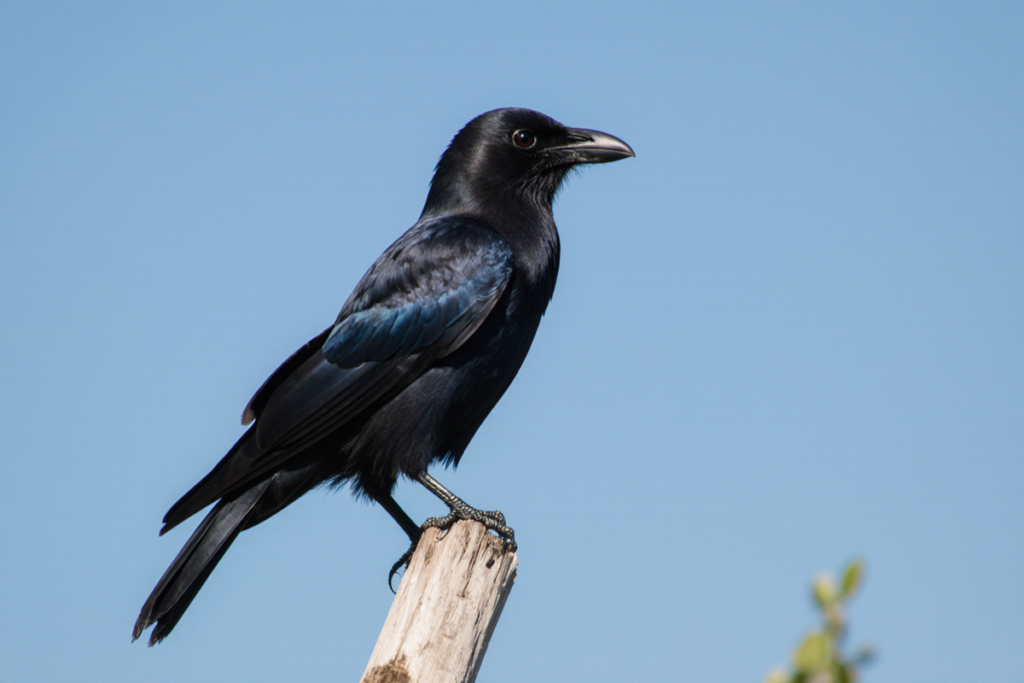
These crows are engineering geniuses. They don’t just use tools — they create them, shaping twigs and leaves into precise instruments. Their ability to plan multiple steps ahead has fascinated researchers worldwide.
Pros:
- Among the best non-primate tool users on Earth
- Displays advanced planning and logic
Cons:
- Not kept as pets
- Best appreciated in nature or research environments
4. Raven
- Hardy Nature: ✅ Yes. Very hardy and adaptable in the wild, but their needs are complex in captivity.
- Friendly Personality: ⚠️ Complex. Can form profound bonds but are independent and require expert, patient handling.
- Moderate Noise Level: ❌ No. Very loud, with a wide range of loud calls, gurgles, and knocks.
- Easy Care: ❌ No. Requires immense space, specialized outdoor aviaries, and constant intellectual challenges.
- Affordable: ❌ No. High initial cost for a captive-bred bird and very high setup costs for appropriate housing.
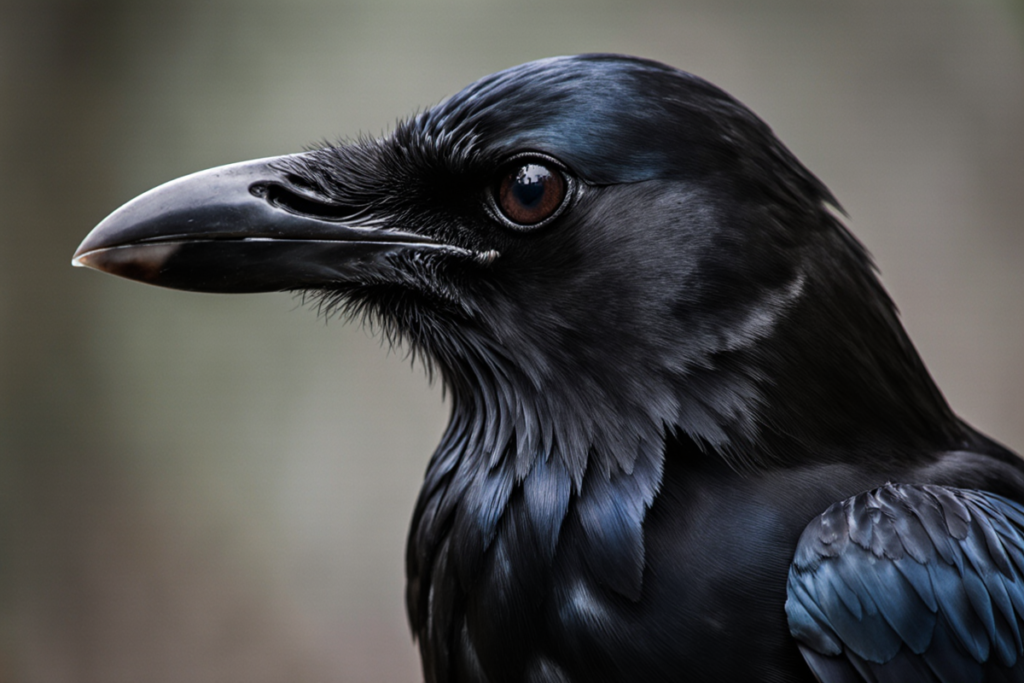
Ravens have long been symbols of intelligence in folklore, and science agrees. They plan for the future, remember past interactions, and even engage in play. Some studies suggest their intelligence rivals that of a young child.
Pros:
- Complex social reasoning
- Wide vocal range and mimicry skills
- Highly adaptable and resilient
Cons:
- Not suitable as pets
- Require massive space and mental stimulation
- Can be aggressive if mishandled
5. Cockatoo (Umbrella & Sulphur-Crested)
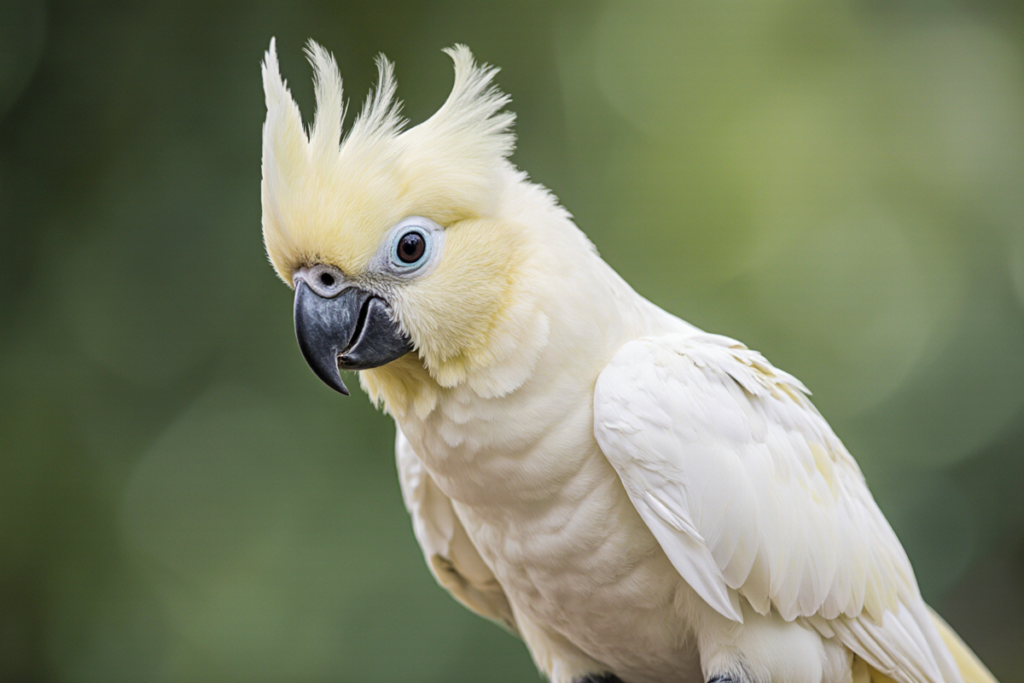
- Hardy Nature: ⚠️ Moderately. Physically robust but extremely emotionally sensitive; prone to self-harm if neglected.
- Friendly Personality: ✅ Yes. Extremely affectionate, cuddly, and demonstrative; thrives on constant interaction.
- Moderate Noise Level: ❌ No. Can produce extremely loud, frequent, and piercing screams, especially if bored or lonely.
- Easy Care: ❌ No. High-maintenance: produces heavy dust, is very destructive, and has intense social demands.
- Affordable: ❌ No. High purchase price and very high ongoing costs for durable toys, large cages, and vet care.
Cockatoos shine in emotional intelligence. They read human emotions well, bond intensely, and often outsmart locks and cages with ease.
Pros:
- Extremely affectionate and expressive
- Highly playful and interactive
- Strong sense of rhythm and movement
Cons:
- Severe separation anxiety possible
- Loud vocalizations
- Very long lifespan (60+ years)
Suggested Image ALT Text: A Sulphur-crested Cockatoo opening a puzzle box with focused concentration.
6. Amazon Parrot
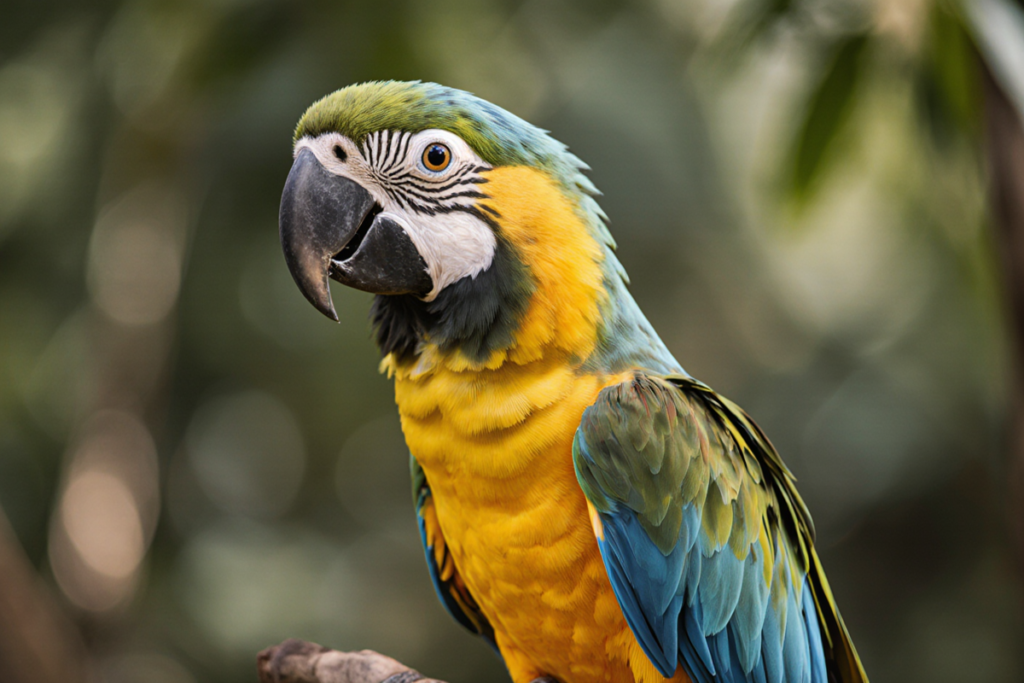
- Hardy Nature: ✅ Yes. Generally robust birds with a good constitution when fed properly.
- Friendly Personality: ✅ Yes. Typically outgoing, playful, and enjoy being the center of attention.
- Moderate Noise Level: ❌ No. Capable of very loud, frequent calls, especially in the morning and evening.
- Easy Care: ⚠️ Moderate. Requires a large cage and varied diet but can be prone to obesity; needs consistent training.
- Affordable: ⚠️ Moderate. Mid-range purchase price and ongoing costs; less expensive than Greys or Cockatoos but still significant.
Amazon parrots are confident, social, and context-aware talkers. They don’t just repeat words — they often use them appropriately, making interactions feel surprisingly meaningful.
Pros:
- Strong talking and singing abilities
- Outgoing and playful nature
- Loyal family bonds
Cons:
- Can become aggressive during hormonal phases
- Prone to weight gain
- Naturally loud
7. Macaw
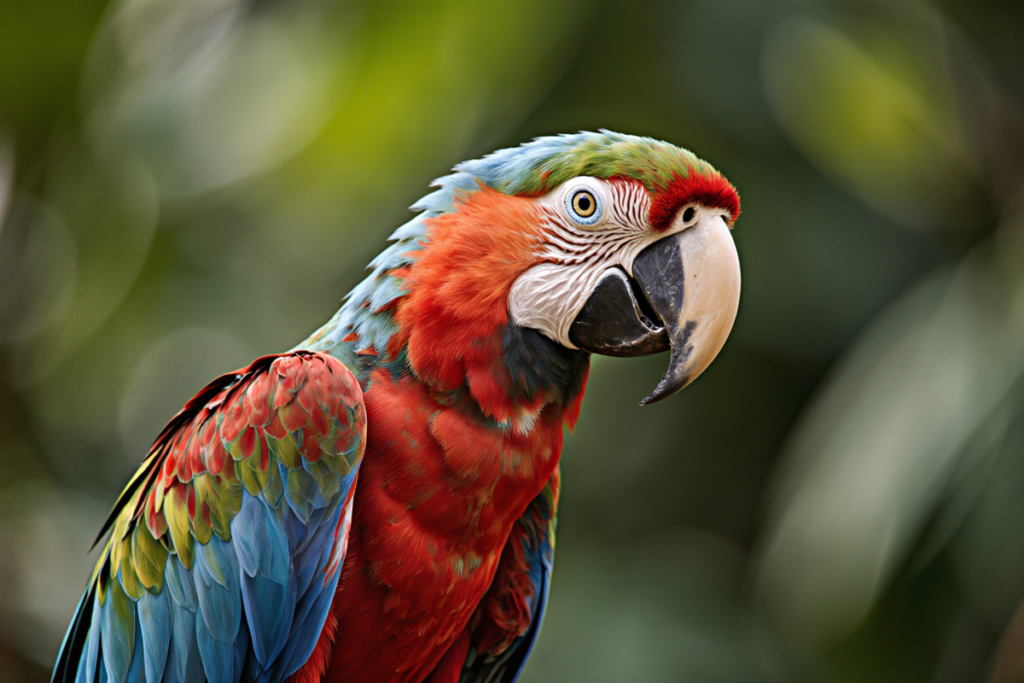
- Hardy Nature: ✅ Yes. Very sturdy and physically hardy birds.
- Friendly Personality: ✅ Yes. Often goofy, affectionate, and form very strong bonds.
- Moderate Noise Level: ❌ No. Extremely loud; their contact calls can be heard for miles and are not apartment-friendly.
- Easy Care: ❌ No. Requires a massive, sturdy cage, specialized diet, and constant supervision due to destructive power.
- Affordable: ❌ No. Very high purchase price for the bird, enormous cage, and durable toys.
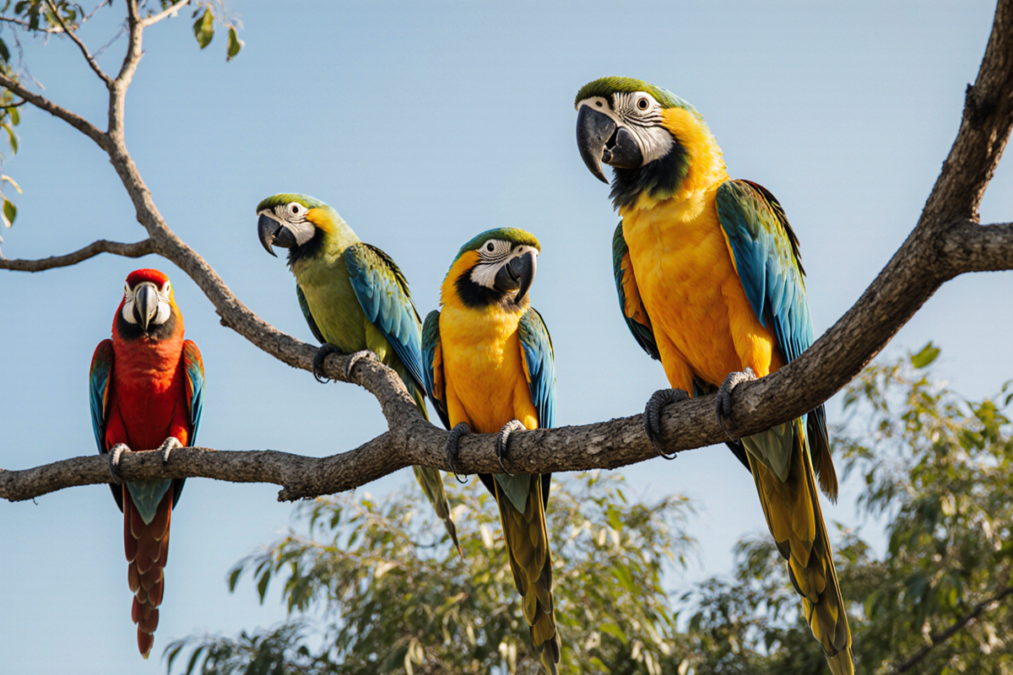
Macaws combine beauty with brains. These intelligent giants understand complex commands, communicate clearly with mates, and form lifelong bonds with caregivers.
Pros:
- Learns words, tricks, and routines
- Extremely loyal and emotionally connected
- Visually stunning
Cons:
- Very loud vocalizations
- Needs large cages and space
- Powerful beak requires experienced handling
8. Eclectus Parrot
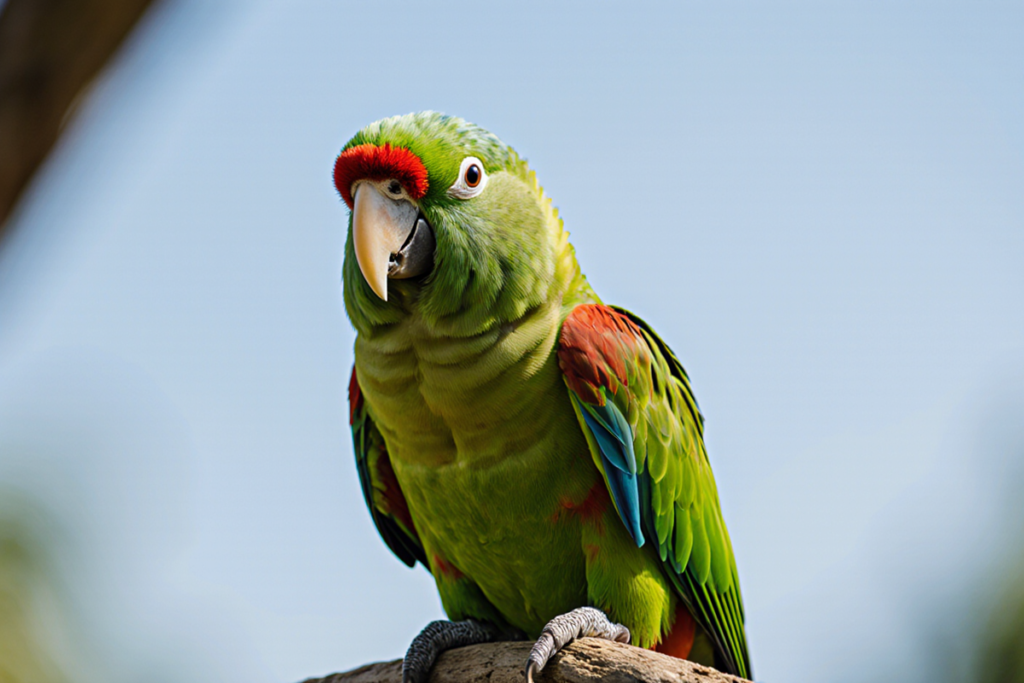
- Hardy Nature: ⚠️ Moderate. Physically hardy but has a sensitive digestive system requiring a precise, fresh-food diet.
- Friendly Personality: ⚠️ Moderate. Often calm and gentle but can be reserved; females may be territorial around their cage.
- Moderate Noise Level: ✅ Yes. Known as one of the quieter large parrots; makes pleasant chirps and talk rather than screeching.
- Easy Care: ⚠️ Moderate. Diet is more labor-intensive (fresh fruits/veggies), but they are less destructive and somewhat less demanding of constant interaction.
- Affordable: ⚠️ Moderate. Purchase price is mid-to-high range; ongoing food costs for fresh produce can be significant.
Eclectus parrots are thoughtful, observant, and fast learners. Known for their dramatic color differences between males and females, they often approach problem-solving calmly and deliberately.
Pros:
- Clear speech and gentle temperament
- Less noisy than many parrots
- Unique appearance
Cons:
- Requires a specialized, fresh diet
- Females can be territorial
- Sensitive to sudden changes
9. Cockatiel
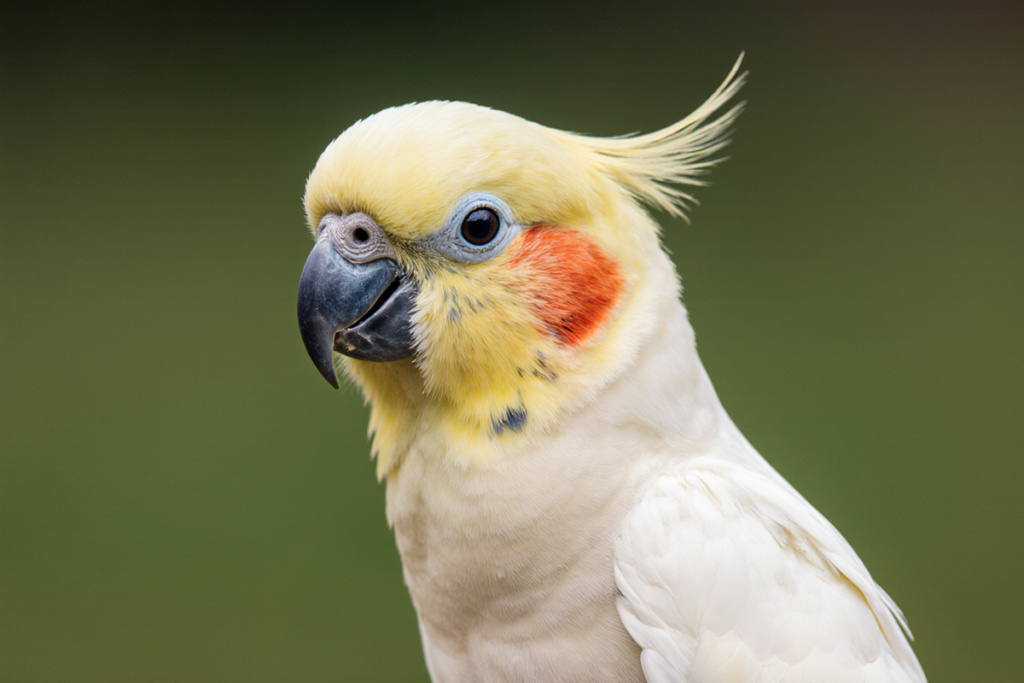
- Hardy Nature: ✅ Yes. Generally very hardy and a good choice for first-time bird owners.
- Friendly Personality: ✅ Yes. Sweet-natured, social, and enjoys head scratches and interaction.
- Moderate Noise Level: ✅ Yes. Whistles and chirps are pleasant and not overly loud; suitable for apartments.
- Easy Care: ✅ Yes. Manageable cage size, simple pellet/seed/veggie diet, and straightforward care requirements.
- Affordable: ✅ Yes. Low purchase price, affordable setup costs, and reasonable ongoing expenses.
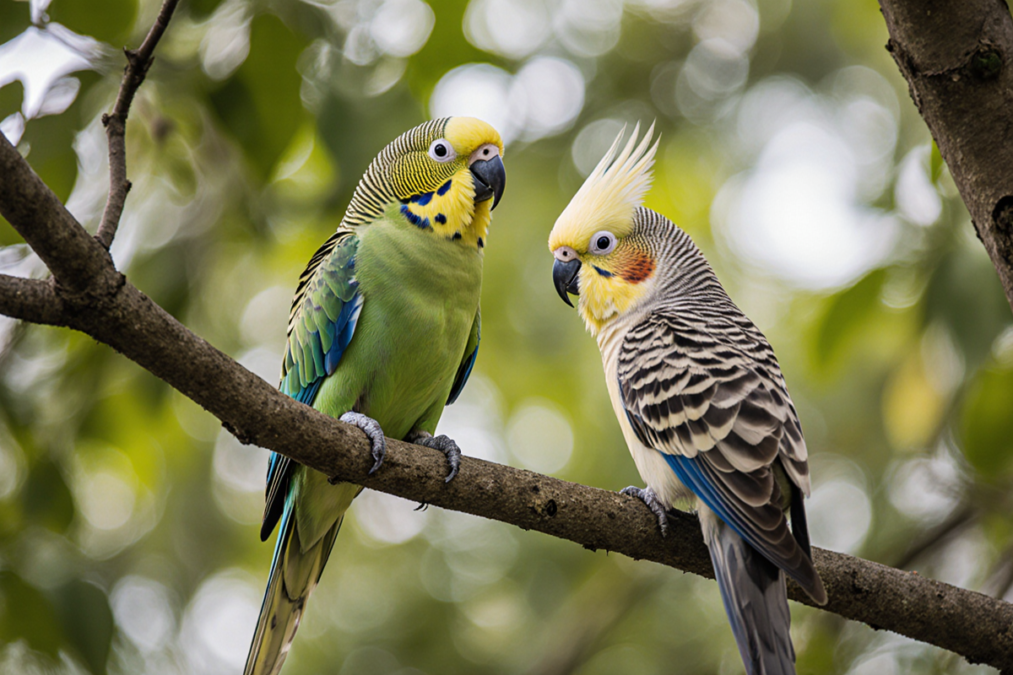
Cockatiels prove that intelligence doesn’t depend on size. They learn tunes, recognize emotions, and communicate strongly through whistles and body language.
Pros:
- Excellent choice for beginners
- Musical and affectionate
- Easier care than large parrots
Cons:
- Limited talking ability
- Powdery dust
- Prone to night frights
10. Budgerigar (Budgie / Parakeet)
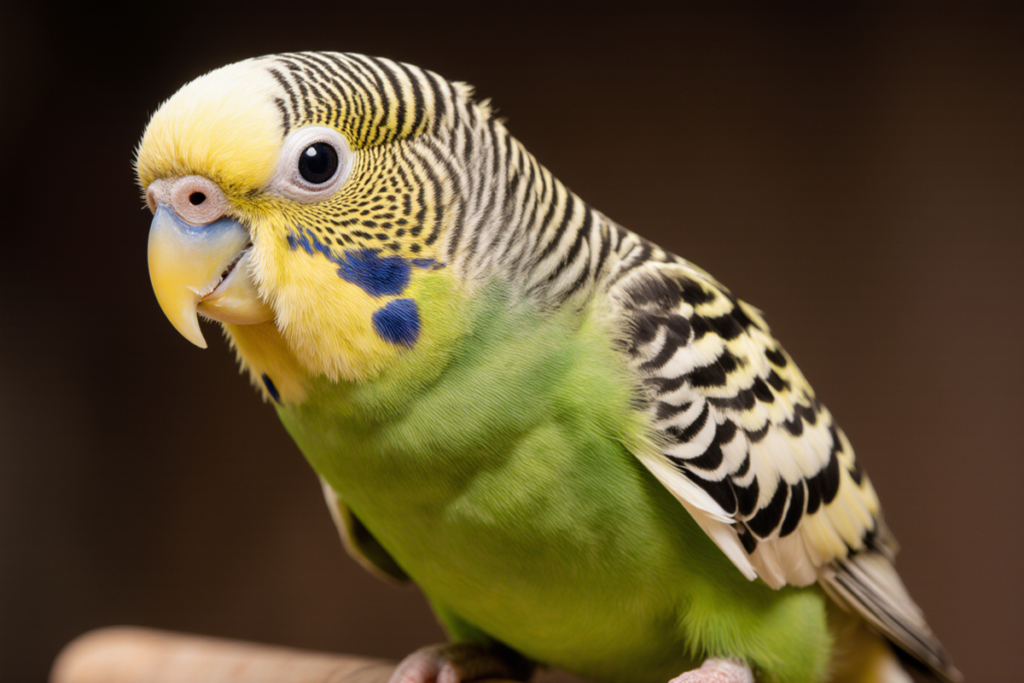
- Hardy Nature: ✅ Yes. Very hardy when kept in a draft-free environment with a proper diet.
- Friendly Personality: ✅ Yes. Can be very social and friendly, especially if hand-tamed; enjoys company.
- Moderate Noise Level: ✅ Yes. Constant cheerful chirping is rarely loud or bothersome; ideal for apartments.
- Easy Care: ✅ Yes. Small cage needs, simple diet (pellets, seeds, greens), and relatively low-maintenance.
- Affordable: ✅ Yes. The most affordable pet bird; very low initial and ongoing costs.
Despite their small size, budgies are cognitive powerhouses. Studies show they can grasp basic grammatical patterns, and many develop surprisingly large vocabularies.
Pros:
- Affordable and social
- Impressive talking ability for size
- Requires less space
Cons:
- Fragile
- Needs companionship
- Seed-only diets are unhealthy
Suggested Image ALT Text: A blue budgie playing with a bell toy, demonstrating small-bird intelligence.
What to Know Before Adopting a Smart Bird
Living with an intelligent bird is rewarding — but demanding. Their intelligence is a double-edged sword:
- Mental stimulation is essential
- Bored birds develop behavior problems
- Social interaction is a daily necessity
These birds don’t decorate a home — they participate in it.
Frequently Asked Questions (FAQ)
What bird is the smartest?
The African Grey Parrot consistently ranks highest in cognitive and language abilities, while New Caledonian Crows dominate tool-based intelligence.
Which parrot is smartest for a pet?
African Greys are the most intelligent pet parrots, but Amazons, cockatoos, and even cockatiels can be better lifestyle matches.
Are crows or parrots smarter?
Parrots excel in communication and social intelligence; corvids dominate problem-solving and tool use.
How long do intelligent birds live?
Large parrots can live 50–80 years. Even smaller species may live decades, making ownership a lifelong commitment.
Do smart birds bond with one person?
Yes. Many intelligent parrots form strong one-person bonds, making early socialization essential.
Conclusion
The smartest bird species reveal just how complex and emotionally rich avian minds can be. From the African Grey’s reasoning skills to the crow’s engineering genius, these birds redefine intelligence itself. But brilliance comes with responsibility. Sharing life with a smart bird means committing to patience, enrichment, and long-term care.
If these feathered geniuses fascinate you, explore how to build the perfect parrot play gym or discover the most colorful and talkative finch species to continue your avian journey.