Dog Feeding Schedule: A Complete Guide for Puppies vs. Adult Dogs
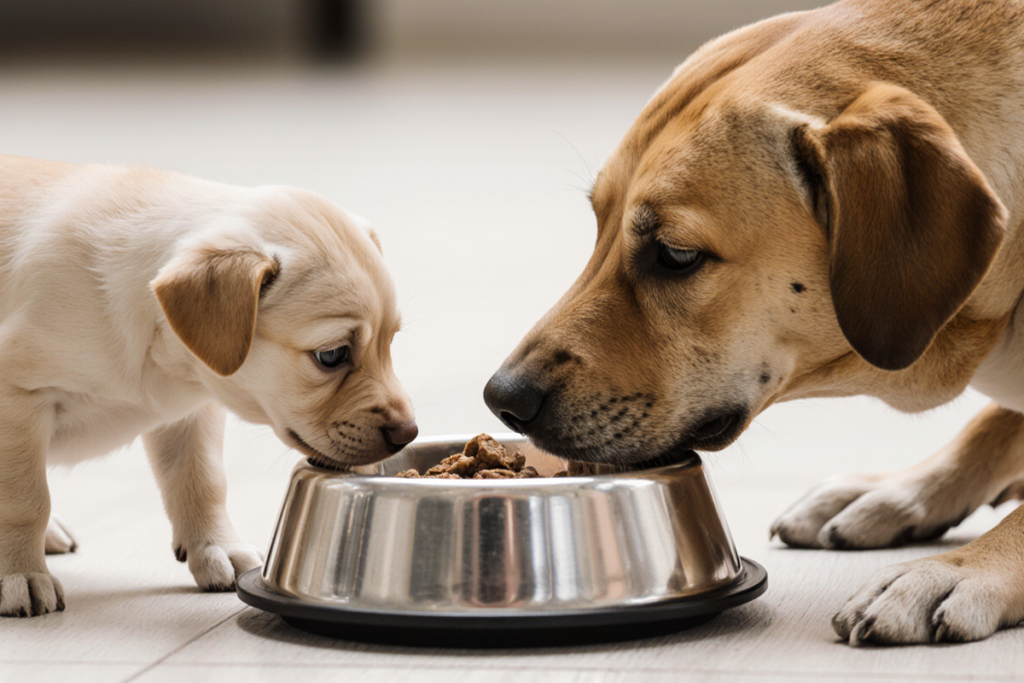
Dog Feeding Schedule: A Complete Guide for Puppies vs. Adult Dogs helps pet owners ensure their dogs get the right nutrition at the right time. Whether you have a growing puppy or a mature adult dog, following a proper feeding schedule is essential for their health and wellbeing.
Figuring out a dog feeding schedule can feel like solving a puzzle. Should puppies eat more than adults? How many meals are ideal? The truth is, a one-size-fits-all plan doesn’t exist. A puppy’s needs are wildly different from a full-grown dog’s. Getting their meal times and portions right is one of the simplest ways to support their health, growth, and even their behavior. It keeps their energy steady, prevents tummy troubles, and helps you monitor their appetite. Let’s break down exactly what a puppy needs versus what your adult dog requires, so you can feel confident you’re giving them the best start and a healthy life.
Why a Feeding Schedule Is Important for Your Dog.
Dogs are habitual animals and do best with a routine. A consistent dog feeding schedule by age does more than just fill their belly. It regulates their digestion, making accidents during house training less likely. It helps you notice immediately if their appetite changes—a key early sign of potential illness. For puppies, scheduled meals are critical for proper growth. For adults, it’s a cornerstone of weight management. Knowing how much to feed a dog by weight (kg) and when to feed them gives you control and gives your dog security.
The Puppy Feeding Schedule: A Guide to Rapid Growth.
Puppies are little energy factories. They’re building bones, muscles, and brain cells at an incredible rate. This means they need more frequent, nutrient-dense meals than adult dogs. A strict puppy feeding schedule supports this growth without overloading their small stomachs.
How Often Should a Puppy Be Fed Each Day?
The short answer: it depends entirely on their age. Their tiny tummies can’t hold much, but they burn through calories fast. Here’s a reliable framework most vets recommend:
- 6 to 12 Weeks Old: At this stage, puppies usually transition from mother’s milk to solid food. They need four meals a day, spaced roughly 4-5 hours apart. A puppy feeding schedule 9 weeks old is typically four meals: breakfast, lunch, dinner, and a late supper.
- 3 to 6 Months Old: You can usually drop to three meals a day. This often aligns with a 14 week old puppy feeding schedule. Their stomachs are bigger, and they can go a bit longer between meals.
- 6 to 12 Months Old: Around the six-month mark, many breeds can transition to two meals a day. This is a common 7 month old puppy feeding schedule. Some toy and small breeds might do better staying on three smaller meals a bit longer to maintain blood sugar.
When planning puppy meal times, consistency is key. Feed at the same times every day. If you’re wondering how many hours between puppy meals, 4-6 hours for young pups and 6-8 hours for older puppies is a good rule of thumb.
How Much to Feed a Puppy: The Portion Puzzle.
How much a puppy should be fed is not a set amount.It varies by breed, expected adult size, and the specific food you’re using. The single best resource is the puppy feeding chart on your dog food bag. These charts are formulated by nutritional experts for that specific food’s calorie content. Start with the recommended amount for your puppy’s expected adult weight and current age, then adjust based on their body condition. Is your puppy lean and ribby? Maybe a bit more. Is he getting a little round? Perhaps a bit less. Your vet is your best partner here.
The Adult Dog Feeding Schedule: Maintaining Health and Weight.
The Adult Dog Feeding Schedule: Maintaining Health and Weight
Once your dog reaches maturity, their nutritional goal shifts from growth to maintenance. An adult dog feeding schedule is all about providing consistent energy and preventing obesity, a major health risk for dogs.
The Standard: Two Meals a Day.
For most healthy adult dogs, feeding twice a day is the gold standard. It’s often more satisfying than one large meal and helps prevent hunger pukes and that frantic, food-obsessed behavior. It also spreads their energy intake throughout the day. The exact timing isn’t set in stone—some people do 7 AM and 6 PM, others 8 AM and 7 PM. Pick times that fit your life and stick to them.
Some owners of smaller dogs or those with no weight issues successfully feed one meal a day. However, two meals is generally preferred for better metabolism and blood sugar control.
How Much Should I Feed My Dog?
This is the million-dollar question. How much should my dog eat depends on:
- Weight: This is the primary factor.
- Activity Level: A couch potato dog needs far less than a hiking buddy.
- Age: Senior dogs often need fewer calories.
- Metabolism & Breed: Certain breeds naturally store energy more efficiently.
Again, your go-to tool is the feeding guide on your dog food. These guides give a range (e.g., 1.5 – 2 cups per day for a 30 lb dog). Start with the lowest value in the range.
The most accurate way to know how much food should I feed my dog is to use the dog feeding schedule chart on the bag as a starting point, Then evaluate your dog’s body condition every few weeks.
You should be able to feel their ribs easily under a thin layer of fat, and they should have a visible waist when viewed from above.
Puppy vs. Adult Dog Feeding: A Quick Comparison.
This table highlights the key differences in a dog feeding schedule – puppy vs adult dog.
| Feature | Puppy | Adult Dog |
| Meal Frequency | 3 to 4 times daily | 1 to 2 times daily (2 is ideal) |
| Food Type | High-calorie, nutrient-dense puppy food | Adult maintenance dog food |
| Primary Goal | Support rapid growth & development | Maintain ideal weight & health |
| Portion Control | Based on expected adult weight; increases as they grow | Based on current ideal weight; consistent |
| Schedule Flexibility | Less flexible; strict schedule needed for growth & potty training | More flexible; can adjust times slightly |
| Key Concern | Underfeeding growth needs | Overfeeding and obesity |
Special Considerations for Your Feeding Schedule.
While the above guidelines work for most, some situations need extra thought.
Breed Size Matters.
A Great Dane puppy and a Chihuahua puppy grow at drastically different rates. Large breed puppies need specially formulated food to support slow, steady growth and prevent joint issues. Always choose a food appropriate for your breed’s size category.
Life Stage & Activity.
A highly active working dog (like a Border Collie) may need 20-30% more food than the bag suggests. A neutered/spayed, inactive adult often needs 20% less. Senior dogs usually need fewer calories but may benefit from food easier to digest.
Transitioning Foods or Schedules.
Any change should be gradual. When changing foods, gradually add more of the new food to the old over 7–10 days.
When changing a puppy schedule for eating (e.g., from 3 meals to 2), slowly adjust the portion sizes and mealtimes over a week to avoid hunger strikes or upset stomachs.
Common Dog Feeding Mistakes to Avoid.
Even with the best intentions, it’s easy to slip up. Here are a few common pitfalls:
- Free Feeding: Leaving food out all day. This makes it impossible to monitor intake, encourages overeating, and ruins house-training efforts for puppies.
- Over-Relying on the Bag Guide: The chart is a starting point, not a commandment. Your individual dog is the real guide.
- Forgetting About Treats: Treats should make up no more than 10% of your dog’s daily calories. Those little extras add up fast.
- Abrupt Changes: Suddenly changing food or schedule is a recipe for digestive upset.
Your Dog Feeding Schedule FAQ
Let’s tackle some of the most common questions dog owners have.
What is the best feeding schedule for a puppy?
The best schedule is one that is consistent and age-appropriate. For most owners, this means four meals a day for young pups (8 am, 12 pm, 4 pm, 8 pm), dropping to three meals around 3-4 months, and then two meals by 6-7 months. Fit the times to your own daily routine.
How do I know if I’m feeding the right amount?
Use the “rib and waist” test. You should be able to easily feel your dog’s ribs without pressing hard, and they should have a noticeable waist when you look down from above. If you can’t feel ribs, they’re likely overweight. If ribs are very prominent, they might be underweight. Your vet can give you a body condition score.
My dog seems hungry all the time. Should I feed more?
Not necessarily. Many dogs are opportunistic eaters and will act hungry even when they’re full. First, ensure you’re feeding the correct amount using the guidelines above. If they’re still scavenging, try splitting their daily food into three smaller meals, or use a slow-feeder bowl to make mealtime last longer. Sudden increased hunger can also signal a health issue, so a vet check is wise.
Can I feed my puppy and adult dog the same food on the same schedule?
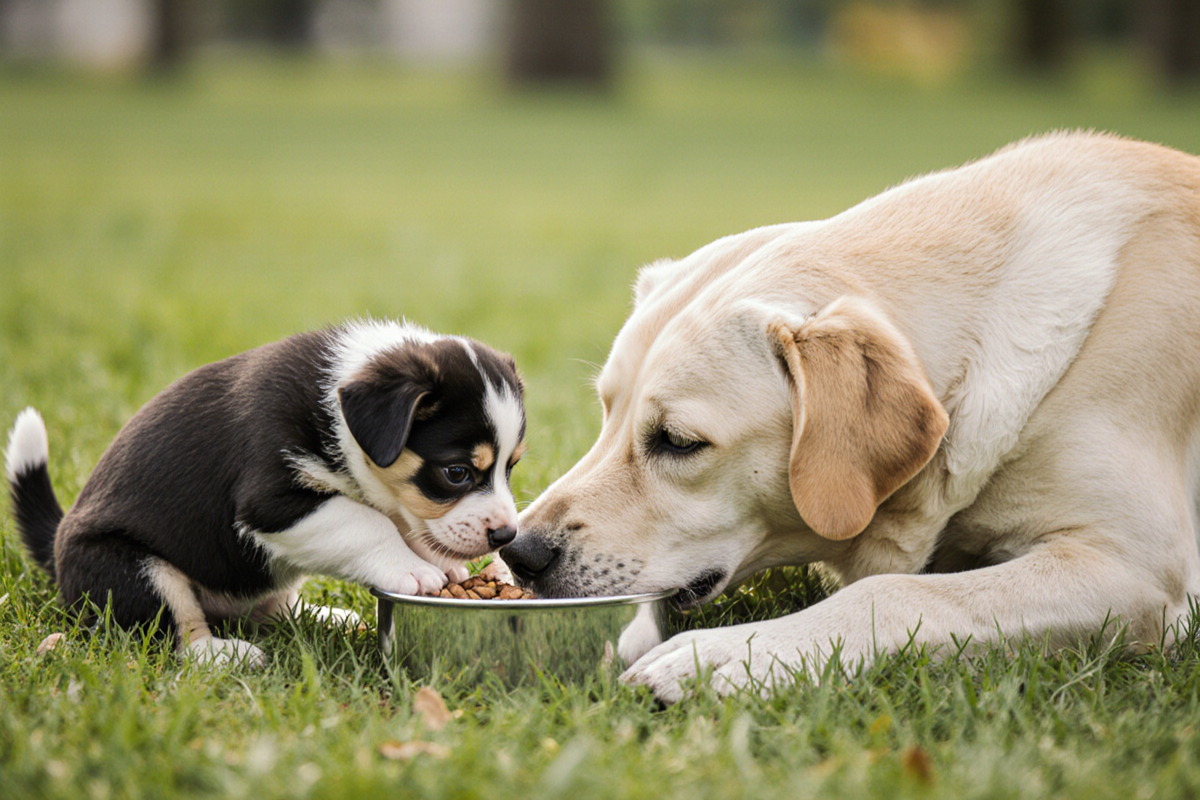
It’s not recommended. Puppy food is too rich for most adult dogs and can lead to weight gain. Adult food often lacks the specific nutrients a puppy needs to grow properly. They should eat different foods. Their schedules will also differ—your puppy will need that extra midday meal that your adult dog doesn’t.
At what time should I feed my puppy their last meal?
Aim for their last meal at least 2-3 hours before bedtime. This gives them enough time to digest and eliminate before you call it a night, which is a huge help in house training.
Creating the right dog feeding schedule is a mix of science and simple observation. Start with the solid guidelines for your dog’s life stage, use the food bag’s chart as your map, and then let your own dog’s energy, body shape, and overall health be your compass. When in doubt, your veterinarian can help you fine-tune the plan. A good routine takes a little effort to set up, but it pays off for years in the form of a healthy, happy, and well-adjusted companion.