Can Cats Eat Egg? A Simple Guide for Pet Parents.
If you’ve ever been making breakfast and felt those little eyes watching your every move, you’ve probably asked yourself: can cats eat egg? It’s a fair question. We know eggs are healthy for us, packed with protein, and pretty much a perfect food. But does that hold true for your feline friend?
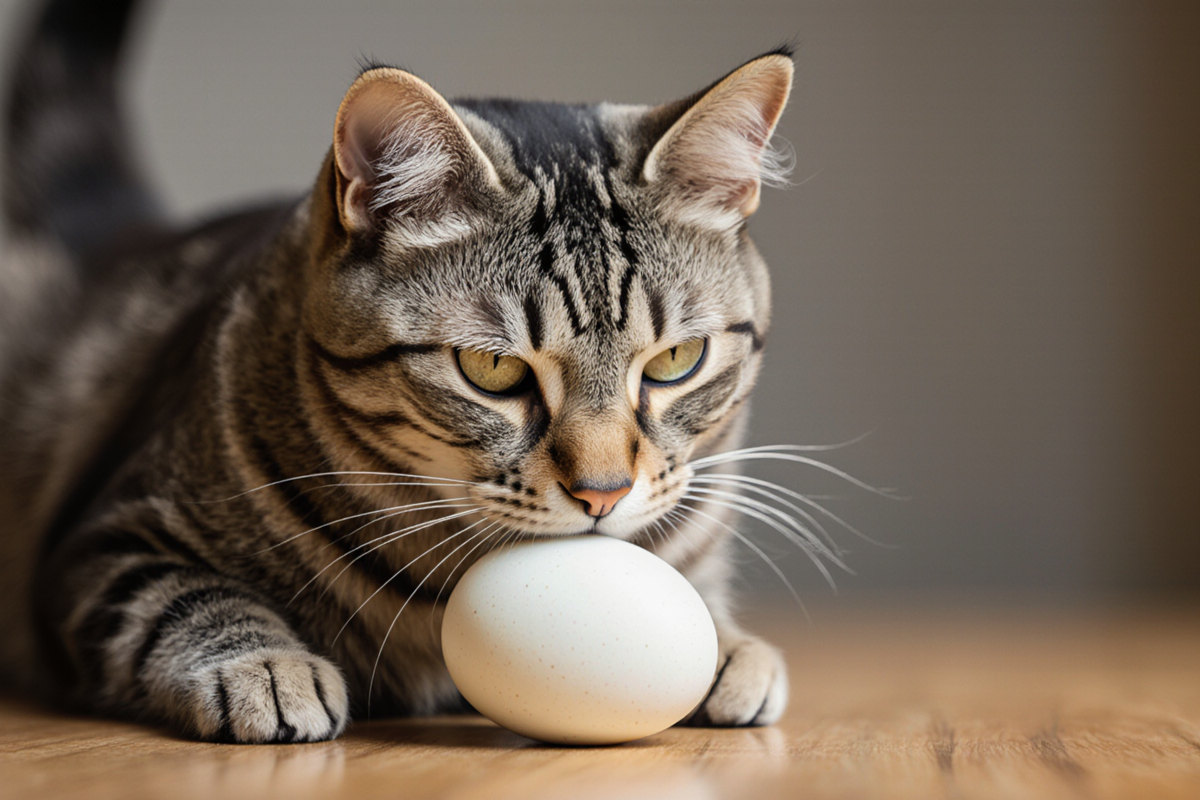
The short answer is yes, cats can eat eggs, but there’s a right way and a wrong way to serve them. Since cats are obligate carnivores, their bodies are designed to thrive on animal protein . Eggs are an animal product, so they fit the bill nutritionally. However, they aren’t a substitute for a balanced meal. Think of eggs more like a supercharged treat rather than a main course .
Before you scoop some scrambled eggs into your cat’s bowl, let’s break down exactly how to do it safely, how much to give, and what to absolutely avoid.
Are Eggs Good for Cats?
Yes, when prepared correctly, eggs are not just safe; they offer some real nutritional perks. They’re like a little multivitamin wrapped in a shell. Here’s what makes them a good option for an occasional snack:
- High-Quality Protein: Eggs are packed with amino acids, which are the building blocks of protein. This helps support your cat’s muscle growth and energy levels .
- Vitamins and Minerals: You’ll find a solid lineup of vitamins like A, B12, D, and E, plus minerals like iron and selenium. These all help support your cat’s immune system and keep their coat shiny .
- Taurine: This is a big one for cats. Taurine is essential for heart and eye health, and it’s naturally found in eggs, specifically in the yolk .
- Healthy Fats: The yolk contains fatty acids that are great for your cat’s skin and coat, making it look sleek and soft .
The Golden Rule: Cooked Eggs Only.
When it comes to sharing your eggs, the most important rule is simple: always cook them. Never, ever feed your cat raw eggs.
The Dangers of Raw Eggs.
You might see raw feeders advocating for raw eggs, but for a domestic cat, the risks far outweigh any potential benefits.
- Salmonella and E. coli: Just like in humans, raw eggs can carry harmful bacteria that can cause a serious infection in your cat, leading to vomiting, diarrhea, and lethargy .
- Biotin Deficiency: Raw egg whites contain a protein called avidin. This protein interferes with the absorption of biotin (a B vitamin), which is essential for your cat’s skin and coat. Over time, this could lead to skin issues and hair loss. The good news? Cooking the egg completely deactivates the avidin, making it perfectly safe .
Can Cats Eat Raw Egg Yolk?
Even just the yolk carries the same risk of bacterial contamination. It’s safest to cook the entire egg all the way through until both the white and yolk are firm .
The Best Ways to Serve: Scrambled, Boiled, and More
So, if raw is out, what’s the best method? Your cat isn’t picky about presentation, but you need to be.
Can Cats Eat Scrambled Eggs?
Yes, but plain! Cats can definitely eat scrambled eggs. The key is to scramble them without any oil, butter, milk, or salt . Use a non-stick pan or a tiny bit of water to cook them. Remember, dairy can upset their stomach, and fats can lead to pancreatitis.
Can Cats Eat Boiled Eggs?
Absolutely. Hard-boiled eggs are one of the easiest and healthiest options. You can boil a batch, keep them in the fridge, and chop up a small piece when you want to give your cat a treat. Just make sure to peel off the shell .
Can Cats Eat Cooked Eggs (Other Methods)?
Poached or even just steamed eggs are fine, as long as they are fully cooked and free of any seasonings. The goal is to keep it 100% natural.
What About the Yolk and the Shell?
You might be wondering if you need to separate the parts. Here’s the deal:
- Can Cats Eat Egg Yolk? Yes, they can. The yolk is where most of the vitamins and taurine live . However, it’s also where the fat and cholesterol are. For a healthy cat, a little yolk is fine. But if your cat is overweight or has pancreatitis, sticking mostly to the egg white is safer .
- Can Cats Eat Egg Whites? Yes. The white is almost pure protein with virtually no fat, making it a lean, safe choice .
- What About the Shell? It’s best to skip the shell. While eggshells are a source of calcium, the sharp edges can be a choking hazard or irritate the digestive tract. If your vet recommends a calcium supplement, they’ll advise you on safe ways to add it, like grinding the shells into a fine powder .
How Much Egg Can a Cat Eat? (Serving Size)
Because eggs are calorie-dense, you need to watch the portions. Treats (including eggs) should only make up about 10% of your cat’s daily calories .
To give you a visual, one large egg has about 70 calories. For an average 10-pound cat, that’s almost one-third of their daily food intake !
Here’s a simple guideline on serving size based on your cat’s weight, using cooked, plain egg:
| Cat’s Weight | Approximate Serving Size |
| Up to 5 lbs | 1 teaspoon |
| 6 – 10 lbs | 1 to 2 teaspoons |
| 11 – 15 lbs | 2 teaspoons |
| 16+ lbs | 1 tablespoon |
Source:
Stick to giving egg once or twice a week at most. You can mix a small forkful into their regular food as a tasty topper.
Foods to Avoid: The Seasoning Danger.
This is where most well-meaning pet parents slip up. Just because you love your eggs with salt, pepper, and ketchup doesn’t mean your cat should have them.
- Salt and Seasonings: Onion and garlic powder are toxic to cats, and even too much salt can lead to salt poisoning .
- Butter and Milk: Cats are notoriously lactose intolerant. Cooking eggs in butter or milk can lead to nasty digestive upset and diarrhea .
- Your Leftovers: Never feed your cat eggs from your plate at a restaurant or a friend’s house. You have no idea how they were prepared, and they could be hiding toxic ingredients.
Can Kittens Eat Eggs?
Technically, yes, kittens can eat a tiny amount of cooked egg, but it’s not really necessary or recommended . Kittens have sensitive stomachs and very specific, high-energy needs to support their rapid growth . They need a complete kitten formula food. If you do give a kitten a tiny bite of egg, make sure it’s cooked plain and mashed up, but don’t make it a habit.
Signs of Trouble: When to Call the Vet.
Every cat is different. Some might have a sensitive stomach or even an allergy to eggs. When introducing eggs for the first time, just give them a tiny nibble and watch for a day or two.
Stop feeding eggs and call your vet if you notice:
- Vomiting or diarrhea
- Lethargy (acting tired/unusually lazy)
- Itchy skin, rashes, or excessive grooming (signs of allergy)
If your cat accidentally eats a large amount of egg, especially raw egg or one with seasonings, monitor them closely and don’t hesitate to call your vet for advice.
At the end of the day, eggs can be a fantastic, healthy treat for your cat. They’re packed with nutrients that support everything from their muscles to their shiny coat. Just remember the two non-negotiables: cook it fully and serve it plain. A small forkful of scrambled egg or a few chopped-up bits of boiled egg is plenty. Keep the portions small and the frequency low, and your feline friend can enjoy a safe, tasty snack right along with you.