Can Cats Drink Milk? Here’s What You Need to Know Before Pouring That Bowl.
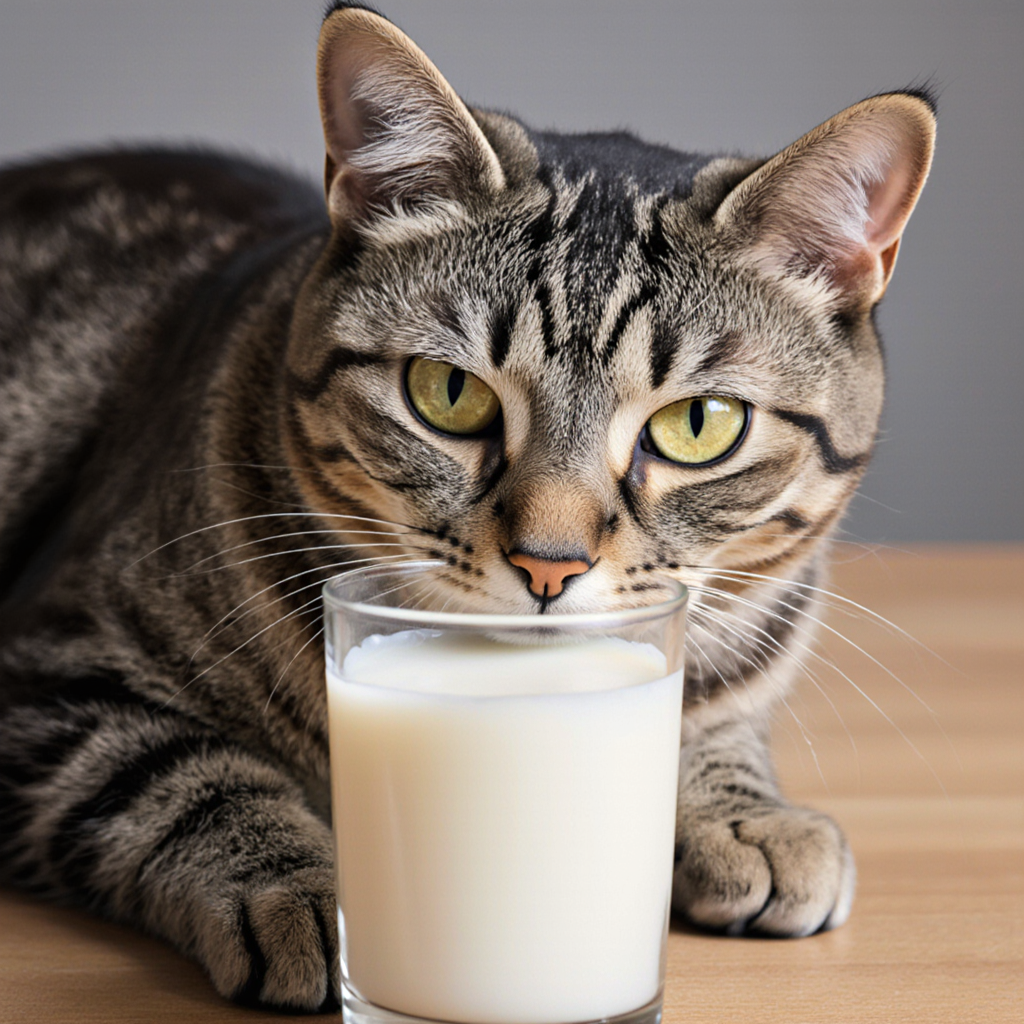
We’ve all seen the pictures—a happy cat lapping up a saucer of milk. It’s one of those classic images that feels as natural as a dog chasing a stick. But if you’ve ever wondered whether you should actually leave that bowl out for your own feline friend, you’re smart to question it.
The short answer? Most cats can’t really handle milk the way we think they can. While it’s not exactly toxic to them, it’s also not the wholesome treat we’ve been led to believe. Let’s break down everything you need to know about cats and milk, so you can make the best choice for your furry roommate.
Why Is Milk Such a Big Deal for Cats?
Cats and milk go together in movies, storybooks, and old cartoons. But here’s the thing—those images stuck around because they’re cozy, not because they’re accurate.
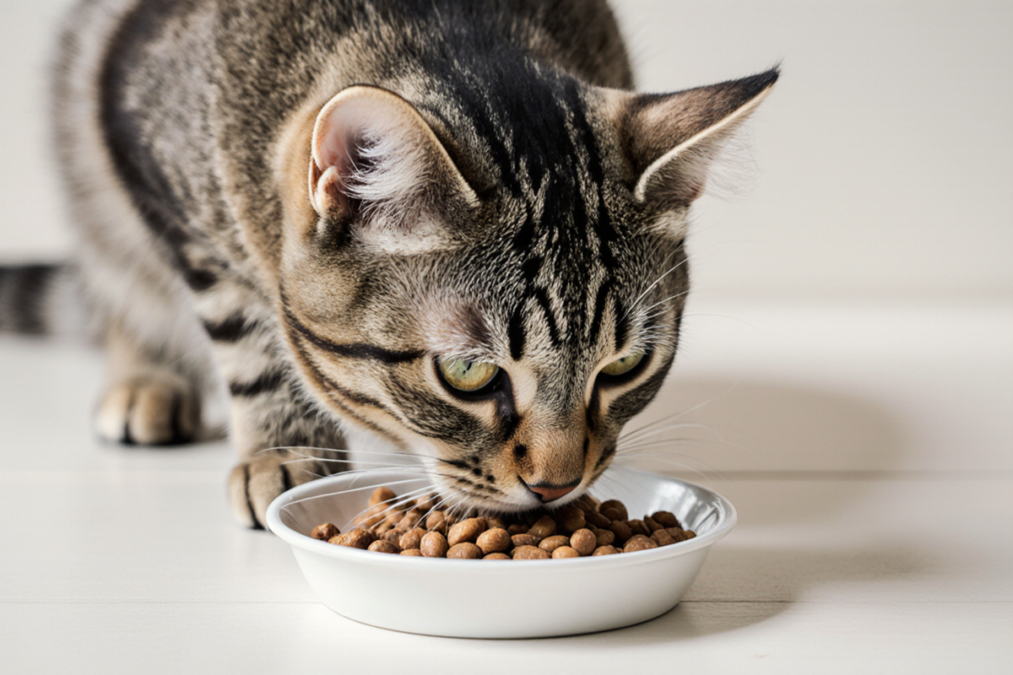
In reality, cats have zero nutritional need for milk once they’re past the kitten stage. They’re what experts call “obligate carnivores,” which is just a fancy way of saying their bodies are built to get everything they need from meat . Milk? It’s basically an optional extra—and for many cats, it’s one that comes with side effects.
Can Cats Drink Milk? (The Straight Answer)
Yes, cats can drink milk in the sense that they’re physically able to lap it up Just because they’re able to do it doesn’t mean it’s the right thing to do.
Milk isn’t poisonous to cats. If your cat sneaks a few licks from your cereal bowl, they’ll probably be fine. But making it a regular thing? That’s where problems creep in. Most adult cats don’t have the tools to digest milk properly, and drinking it can leave them feeling pretty rough.
The Real Issue: Lactose Intolerance in Cats
Here’s what’s going on inside your cat’s belly.
Kittens are born with plenty of an enzyme called lactase, which helps them break down lactose (the natural sugar in their mother’s milk). But once they’re weaned—usually around 8 to 12 weeks old—their bodies start producing less of that enzyme . By the time they’re adults, many cats barely produce it at all.
Without enough lactase, lactose passes through their system undigested. It ferments in the gut, draws in excess water, and causes all that uncomfortable stuff you’d rather not clean up . Studies suggest roughly 70% of adult cats are lactose intolerant to some degree .
Common signs your cat might be lactose intolerant:
- Diarrhea (the most common sign)
- Vomiting
- Gas and bloating (yes, cats get gassy too)
- Stomach pain or discomfort
These symptoms usually show up within 8 to 12 hours after drinking milk . Some cats handle small amounts better than others, but it’s a bit of a gamble.
Is Milk Good for Cats? Let’s Talk Nutrition.
Even if your cat is one of the lucky few who can handle lactose without turning into a digestive disaster, milk still isn’t “good” for them nutritionally .
Cow’s milk contains protein, calcium, and vitamins—things that sound healthy. But here’s the catch: your cat is already getting all of that (and in better balance) from their regular food. Adding milk just piles on extra calories and fat.
Think of it this way: giving your cat a saucer of whole milk is a bit like you eating an entire extra meal’s worth of calories in one sitting. It adds up fast. A 4kg cat only needs around 130–190 kcal per day. Whole milk packs about 69 kcal per 100mL . You can see how a little here and there tips the scale.
Can Cats Drink Different Kinds of Milk?
You might be wondering if switching things up makes a difference. Let’s look at the options.
Can cats drink cow milk?
Regular cow’s milk—whether whole, skim, or low-fat—is the biggest offender. It’s high in lactose and most cats can’t handle it .
Can cats drink whole milk?
Whole milk has the highest fat content. Even if lactose isn’t an issue for your cat, that extra fat can lead to weight gain and upset stomachs .
Can cats drink milk from the store?
Store-bought milk is all basically the same when it comes to lactose. Avoid it.
What about goat milk?
Goat milk has slightly less lactose than cow’s milk, and some cats tolerate it better . It’s not a guaranteed fix, but it might cause fewer problems. Still, it should be an occasional treat at best.
Can cats drink lactose-free milk?
Lactose-free cow’s milk is safer because the sugar that causes trouble has already been broken down . Just keep in mind it’s still calorie-dense.
Can cats drink plant-based milks?
Skip these entirely. Almond milk, oat milk, and soy milk offer no nutritional value for cats and can contain additives or oils that upset their stomach . Coconut milk? Also a no—it’s high in fats that can cause diarrhea .
What About “Cat Milk” Products?
You’ve probably seen special “cat milk” at the pet store. These products are specifically formulated to be lactose-free and safe for cats . Brands like Whiskas Catmilk or similar options are designed to give your cat that milky experience without the digestive fallout.
Are they necessary? Not really. But if your cat absolutely loves milk and you want to give them a treat now and then, these are a much better choice than pouring your own glass.
Can Kittens Drink Milk?
This one’s a little different.
Kittens need milk—just not cow’s milk. They should drink their mother’s milk or, if that’s not available, a kitten milk replacer (KMR) from the pet store . These formulas are specifically balanced for a growing kitten’s needs.
Cow’s milk, goat milk, or any other dairy isn’t suitable for kittens. It doesn’t have the right nutrients and can cause the same digestive upset it does in adults. By around 8 weeks old, kittens should be fully weaned and eating solid food, with fresh water available .
Should Cats Drink Milk Every Day?
Definitely not. Even if your cat tolerates milk well, daily servings are too much.
Milk should be treated like any other treat—something they get occasionally, in tiny amounts. A teaspoon here or there, maybe once or twice a week, is plenty . Any more than that, and you’re messing with their balanced diet and inviting weight gain.
What SHOULD Cats Drink?
This part is simple.
Fresh, clean water. That’s it. That’s the list .
Cats need access to water at all times. Some cats are picky about drinking, so you might need to experiment with bowls (stainless steel or ceramic are best) or even a cat water fountain to keep them interested . But water is the only beverage they actually need.
My Cat Drank Some Milk—Now What?
If your cat snuck a few licks of milk, don’t panic.
Here’s what to do:
- Don’t give them more. One small sip probably won’t hurt, but more will.
- Watch for symptoms over the next 12–24 hours. Keep an eye on their litter box habits and energy level.
- Make sure they have plenty of fresh water to stay hydrated.
- If you notice severe vomiting, diarrhea lasting more than a day, or signs of dehydration (lethargy, dry gums), give your vet a call .
Most cats bounce back on their own, but it’s always good to know what’s normal for your cat.
So, Why Do Cats Love Milk If It Makes Them Sick?
It’s a fair question.
Cats are drawn to milk because it’s high in fat and protein, which makes it smell and taste appealing to them . There’s also a protein in milk called casein that may have a mild calming effect . So they’re not being difficult—they genuinely find it delicious.
But cats don’t connect the dots between what they eat now and how they’ll feel later. That yummy milk today might mean a sore tummy tonight, but they don’t know that. It’s up to us to make the smarter choice for them.
My Last words.
Here’s the takeaway.
Most adult cats are lactose intolerant. Milk can cause upset stomachs, diarrhea, and long-term weight issues. It offers zero nutritional benefits they aren’t already getting from food.
If you really want to give your cat a milky treat, stick to lactose-free cat milk in tiny amounts—and only occasionally. Otherwise, just keep that water bowl fresh and full.
That classic image of a cat with a saucer of milk? It makes a cute picture. But in real life, your cat will be happier, healthier, and more comfortable without it.