Bringing a pet bird into your life is more than just choosing feathers and colors—it’s about finding a companion that truly fits your daily routine, personality, and expectations. For many bird lovers, the decision often comes down to two fan-favorites: the budgie and the cockatiel. This budgie vs cockatiel comparison isn’t about crowning one bird as “better,” but about helping you discover which chirpy companion feels right for you.
Both birds belong to the parrot family and are bursting with personality, intelligence, and charm. Still, their differences—big and small—can shape your experience as a bird owner in very different ways.
Let’s take a closer, honest look at both to help you make a confident, heart-led choice.
Understanding the Contenders: A Quick Profile
Before placing budgies and cockatiels side by side, it helps to understand each bird on its own.
The Budgerigar (Budgie / Parakeet)
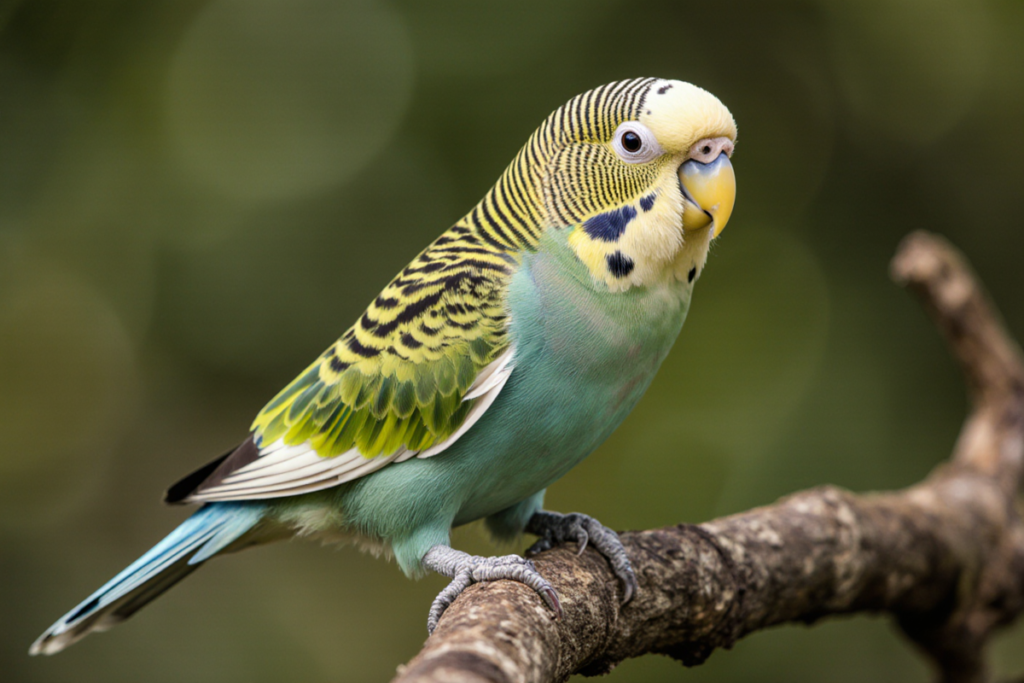
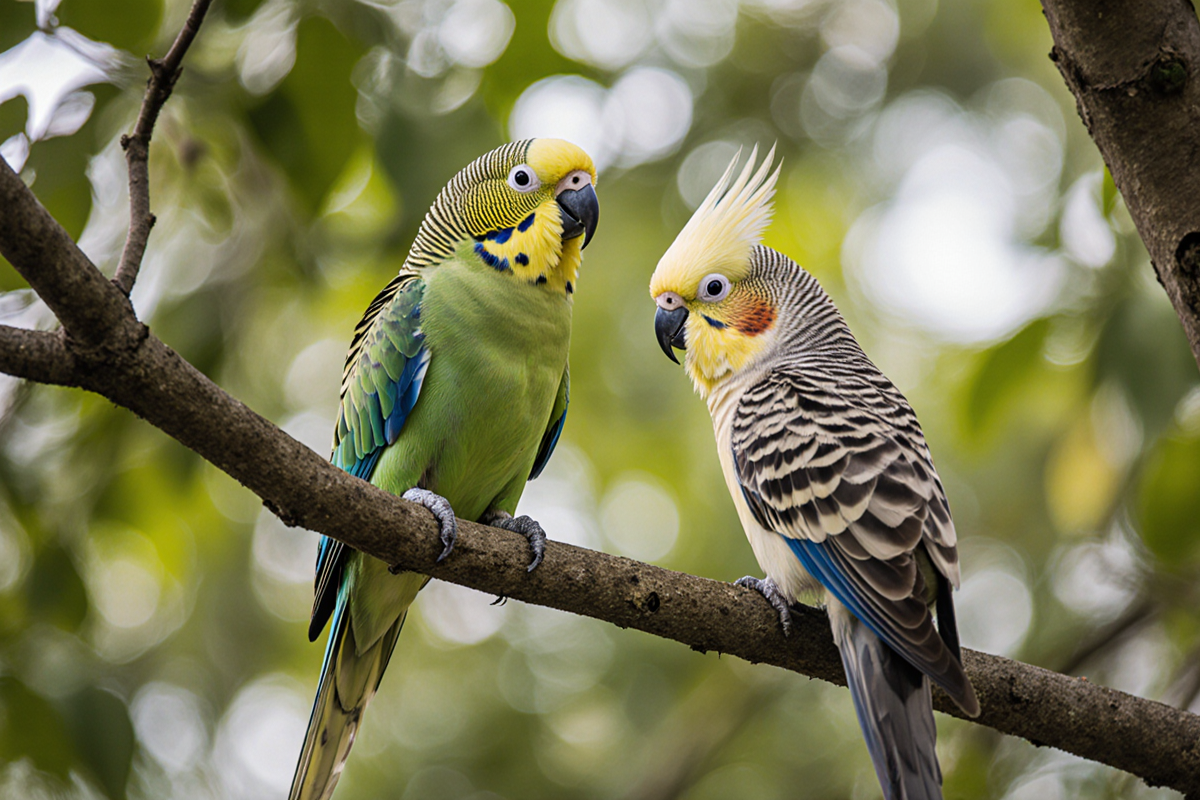
Commonly known as a parakeet in the United States, the budgerigar is a small, long-tailed parrot native to Australia. Don’t let their size fool you—budgies are energetic, curious, and full of life. With bright colors, constant chatter, and playful antics, they bring a lively spark into any home. Many owners are surprised by just how much personality is packed into such a tiny body.
The Cockatiel
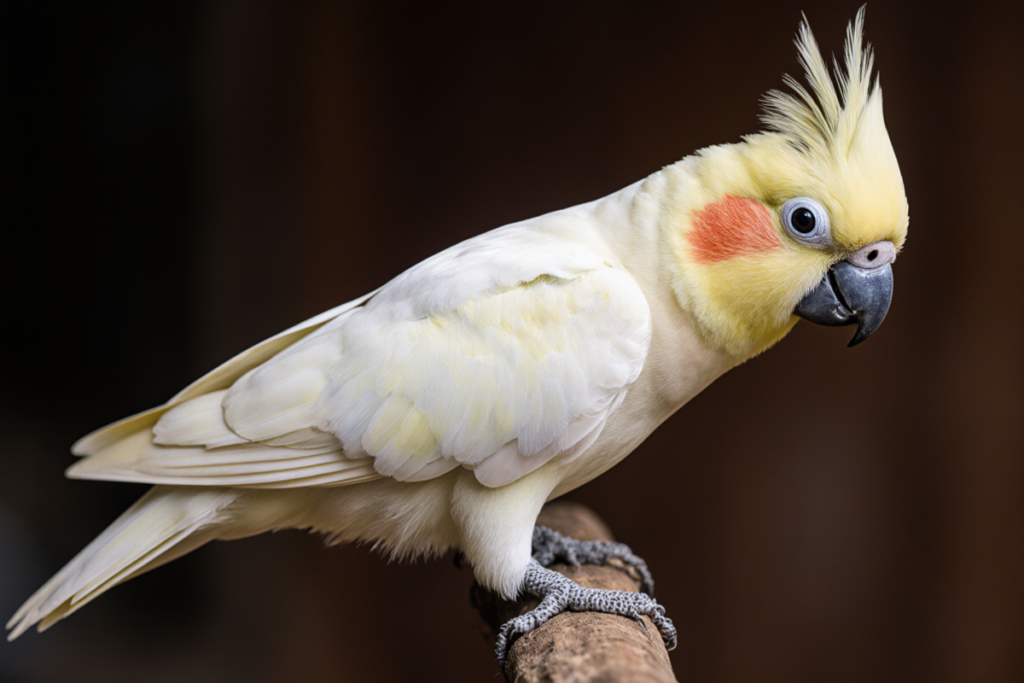
Also native to Australia, the cockatiel belongs to the cockatoo family. They’re instantly recognizable by their expressive crest and soft cheek patches. Often described as gentle and affectionate, cockatiels tend to form deep emotional bonds with their humans. They’re the kind of birds that enjoy quiet moments just as much as playtime.
Head-to-Head Comparison: Budgies vs Cockatiels
Now let’s break down the most important factors when choosing between a cockatiel or budgie.
Size & Appearance
Budgie:
Budgies usually measure about 6–8 inches from head to tail. They’re slim, lightweight, and incredibly colorful. From greens and blues to yellows, whites, and even violets, budgies come in an impressive range of color mutations.
Cockatiel:
Cockatiels are noticeably larger, averaging 12–13 inches long, with elegant tails making up much of that length. Their bodies are sturdier, and common color variations include normal grey, lutino, pied, and pearl.
Verdict:
Cockatiels are clearly larger birds. If space is limited, a budgie’s compact size can be easier to accommodate.
Personality & Temperament
Budgie:
Budgies are playful, active, and endlessly curious. They love climbing, swinging, and exploring toys. While they can be affectionate, they’re often more interested in movement and interaction than cuddling. Their energy keeps things entertaining.
Cockatiel:
Cockatiels tend to be calmer and more emotionally expressive. Many enjoy head scratches, shoulder time, and staying close to their owners. Some become true “velcro birds,” always wanting to be near their favorite person.
Verdict:
If you’re looking for a hands-on, cuddly companion, a cockatiel often fits better. If you enjoy watching playful antics and high energy, a budgie is a delight.
Noise Level & Talking Ability
Budgie:
Budgies produce frequent, cheerful chatter that blends easily into the background. They are excellent talkers—especially males—and can learn surprisingly large vocabularies with clear, high-pitched voices.
Cockatiel:
Cockatiels are known for louder calls, contact whistles, and occasional screeches. While they may learn words, their speech is usually less clear. However, they truly shine when it comes to whistling tunes.
Verdict:
Budgies win for talking clarity, while cockatiels take the crown for musical whistling. Keep in mind that cockatiel calls can be louder and more piercing.
Care & Maintenance
Cage Size:
Both birds thrive in spacious cages. A single budgie needs at least 18″L × 18″W × 24″H, while a cockatiel requires a minimum of 24″L × 24″W × 30″H. Bigger is always better for both.
Diet:
A balanced diet of high-quality pellets, fresh vegetables, and limited seeds is essential. Cockatiels, however, are often pickier eaters and may resist dietary changes.
Lifespan:
Budgies typically live 5–8 years with good care, sometimes longer. Cockatiels have a much longer lifespan of 15–20 years, making them a more serious long-term commitment.
Dust:
Cockatiels produce feather dust, which can be an issue for people with allergies or asthma. Budgies do not produce powder down.
Pros and Cons at a Glance
Budgie Pros
- Lower initial and ongoing costs
- Requires less space
- Excellent talkers and mimics
- Highly entertaining and active
Budgie Cons
- Small and delicate, especially around children
- Can be harder to tame if not hand-raised
- Shorter lifespan
- Constant chirping may annoy some owners
Cockatiel Pros
- More openly affectionate and cuddly
- Longer lifespan for a deeper bond
- Beautiful whistling and singing
- Larger size makes handling easier
Cockatiel Cons
- Long lifespan means long-term responsibility
- Louder, sharper calls
- Produces feather dust
- Can experience night frights
The Million-Dollar Question: Can a Budgie and Cockatiel Live Together?
Searches like “can budgies and cockatiels live together?” or “do cockatiel and budgies get along?” are extremely common.
The honest answer: they should not share the same cage, though supervised interaction may sometimes be possible.
Why caution matters:
- Size difference: A cockatiel’s stronger beak can accidentally injure a budgie.
- Energy mismatch: Budgies are fast and hyper; cockatiels are calmer and may feel stressed.
- Health risks: Different species can carry illnesses harmful to one another.
The safest setup is separate cages in the same room, allowing visual companionship without risk. Also, a budgie and cockatiel hybrid is biologically impossible—they cannot interbreed.
Which Bird Is Right for You?
Choose a Budgie if:
You’re a first-time bird owner, have limited space, want a great talking bird, and enjoy constant activity.
Choose a Cockatiel if:
You want a more affectionate companion, don’t mind feather dust, and are ready for a longer commitment filled with whistles and bonding.
Both birds need daily interaction, mental stimulation, a nutritious diet, and regular avian vet visits. Choosing a reputable breeder or rescue is the first step toward a happy life together.
Frequently Asked Questions (FAQ)
Can budgies and cockatiels eat the same food?
They share similar dietary needs, but pellets should be species-specific for proper nutrition.
Are cockatiels or budgies better for kids?
Cockatiels are often better for gentle, supervised older children. Budgies are small and easily injured.
Do budgies and cockatiels get lonely?
Yes. Both are social flock animals and need daily interaction or a same-species companion.
Which bird is easier to train?
Both are intelligent. Budgies may learn tricks quickly, while cockatiels respond well to affection-based training.
Is a male or female bird better?
Males are usually more vocal. Females may be quieter, but personality matters more than gender.
Final Thoughts on Your Feathered Friend
In the budgie vs cockatiel discussion, there’s no single “right” answer—only the right match for your lifestyle. A budgie brings nonstop energy and impressive talking skills, while a cockatiel offers gentle affection and a longer shared journey.
Whichever bird you choose, you’re welcoming an intelligent, emotional companion into your home. The bond you build—whether with a chatty budgie or a whistling cockatiel—