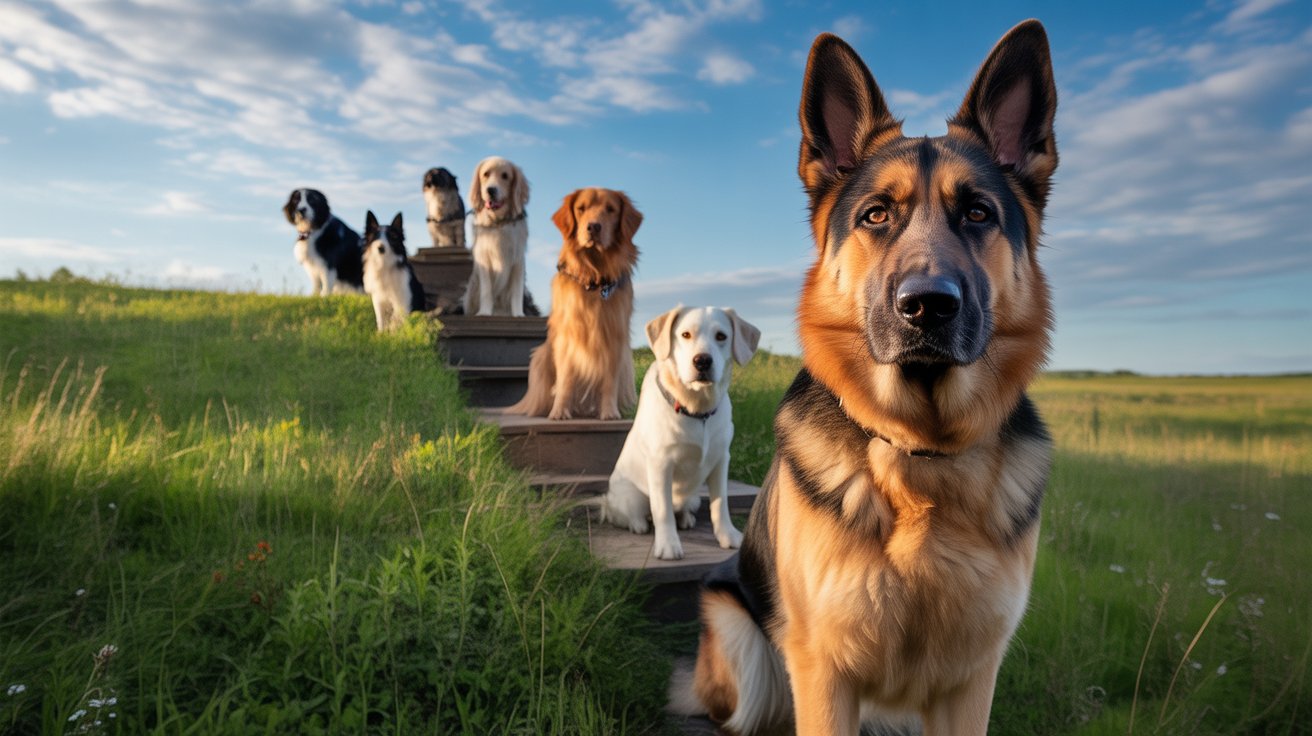
Finding Your Perfect Pup: The Best Dog Breeds for First-Time Owners
Getting your first dog is thrilling. But with so many tail-wagging options, it can also feel overwhelming. You need a breed that matches your lifestyle, especially if you’re new to pet ownership. The good news? Plenty of wonderful dogs are known for being adaptable, easier to train, and great companions for beginners.
Whether you live in a spacious house or a cozy apartment, the right fit is out there. We’ll look at breeds celebrated for their manageable size, agreeable temperaments, and lower-maintenance needs. Let’s find a dog that will make your introduction to pet parenthood a joy, not a job.
What Makes a Dog Breed “Good” for Beginners?
Before we list specific breeds, it’s helpful to know what traits to look for. A great first dog usually has a mix of these characteristics:
- Trainable Intelligence: This doesn’t mean the smartest dog on the block. It means a breed that’s eager to please and learns commands consistently. This makes housebreaking and basic obedience much smoother.
- Adaptable Temperament: Look for a generally easygoing, friendly, and resilient nature. Breeds that are overly sensitive, stubborn, or prone to anxiety can be challenging for a novice.
- Manageable Size and Energy: Especially for apartment dogs, a moderate energy level and size are key. A giant, hyper dog in a small space is tough on everyone.
- Grooming and Health: Some breeds need daily brushing or frequent professional grooming. As a first-time owner, you might prefer a lower-maintenance coat. It’s also wise to consider breeds with fewer common hereditary health issues.
Top Dog Breeds for First-Time Owners
This list includes dogs of various sizes, all known for being fantastic companions for those new to dog ownership. Remember, every dog is an individual, but these breeds have reputations for being stellar starters.
For Apartment Living & Smaller Spaces
Finding the best dogs for apartments is about more than just size. It’s about a calm demeanor, moderate exercise needs, and being less prone to barking. These good dogs for apartments often fit the bill perfectly.
1.The Cavalier King Charles Spaniel.
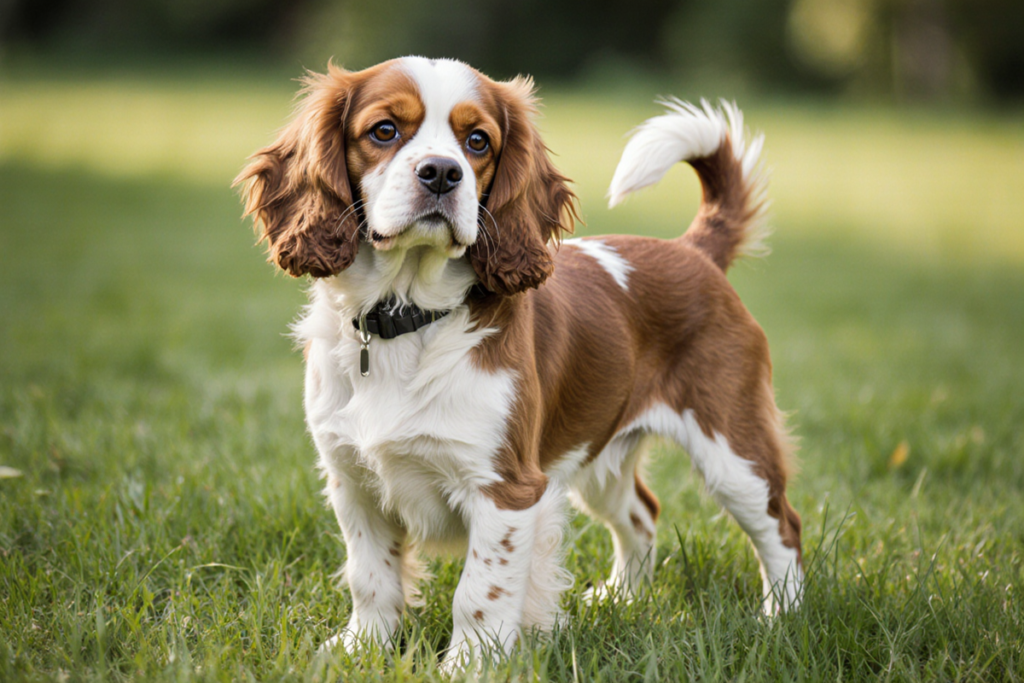
Personality: Affectionate, Gentle, Sociable.
Height: 12-13 inches.
Weight: 13-18 lbs.
Coat & Color: Long, silky; Blenheim, Tricolor, Black & Tan.
Life Expectancy: 12-15 years.
Grooming Needs: Moderate (brush 2-3x/week).
Imagine a dog bred for one purpose: to be a loving companion. That’s the Cavalier. With large, soulful eyes and a perpetually sweet expression, this small spaniel is the definition of a lap dog with a hint of sporting spirit.
Pros:
Exceptionally affectionate, gentle, and great with children and other pets. They adapt beautifully to apartment living or country homes, as long as they’re with their person. Their training needs are moderate and they aim to please.
Cons:
They can be prone to separation anxiety if left alone too much. They are also predisposed to certain health issues like heart conditions, so finding a reputable breeder is crucial. A deep fondness for eating can sometimes result in obesity.
2.The Labrador Retriever.
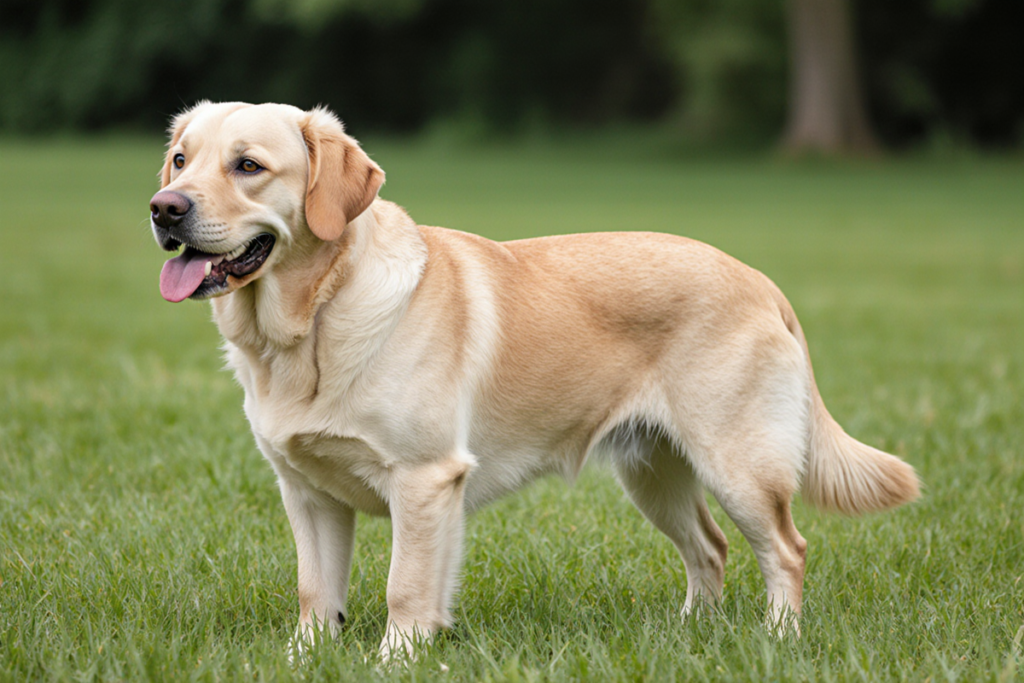
Personality: Friendly, Active, Outgoing.
Height: 21.5-24.5 inches.
Weight: 55-80 lbs.
Coat & Color: Short, dense; Yellow, Black, Chocolate.
Life Expectancy: 10-12 years.
Grooming Need: Moderate (sheds heavily)
America’s most popular dog for decades running, and for good reason. The Lab is the friendly, outgoing all-star of the dog world. They are famously patient, intelligent, and versatile.
Pros:
Incredibly friendly and social with everyone. Highly trainable and eager to learn, making them a first-time owner’s dream for obedience. They are great with families and have a playful yet gentle nature.
Cons:
They are high-energy, especially as puppies and young adults, requiring plenty of daily exercise. They shed… a lot. Their puppyhood can be mouthy and they retain a hearty appetite for life (and your lunch).
3.The Papillon.
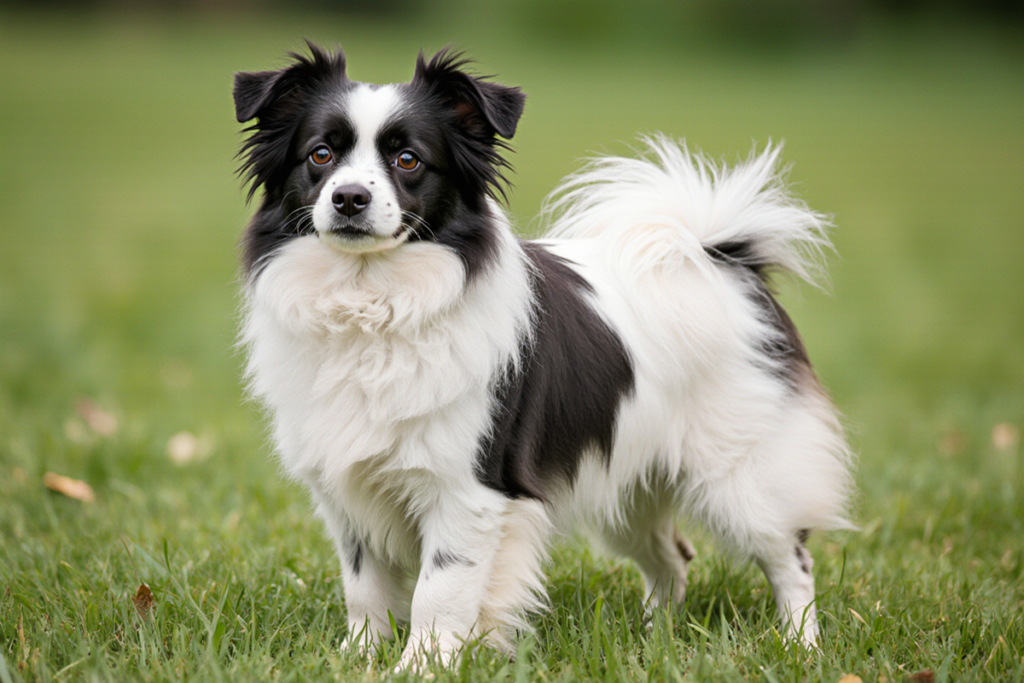
Personality: Alert, Friendly, Intelligent.
Height: 8-11 inches.
Weight: 5-10 lbs.
Coat & Color: Long, silky; White with patches.
Life Expectancy: 14-16 years.
Grooming Needs: Moderate (brush regularly).
Don’t let the dainty, butterfly-like ears fool you. The Papillon is a small dog with a big-dog attitude—athletic, clever, and surprisingly hardy.
Pros:
Highly intelligent and trainable, often excelling in dog sports. They are energetic and attentive, yet their compact size allows their activity needs to be satisfied with indoor games and brief walks.
Cons:
Their intelligence can lead to boredom and mischief if not mentally stimulated. Some can be fragile around very young children or larger, rambunctious pets. They may be reserved with strangers.
4.The Poodle (Miniature or Standard).
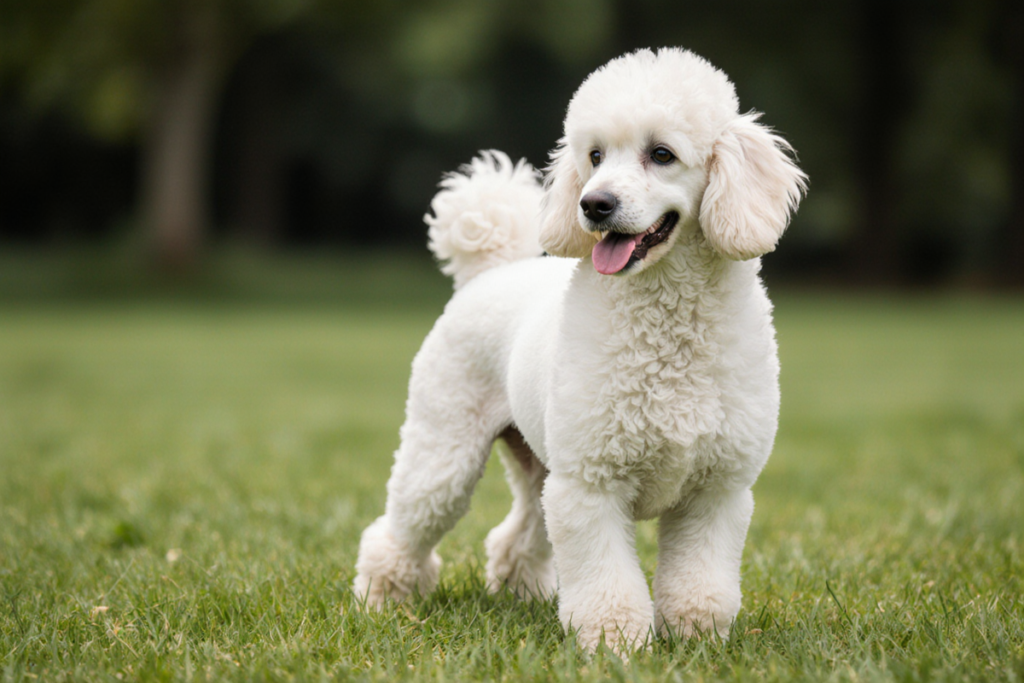
Personality: Intelligent, Active, Proud.
Height: 10-15 inches.
Weight: 10-15 lbs.
Coat & Color: Curly, hypoallergenic; many solid colors.
Life Expectancy: 12-15 years.
Grooming Needs: High (professional grooming needed).
Poodles are so much more than their fancy haircuts. They are brilliant, athletic, and hypoallergenic dogs that come in three sizes. For first-timers, the Miniature is a fantastic, manageable choice.
Pros:
One of the smartest breeds, making them supremely trainable. Their curly, low-shedding coat is great for allergy sufferers. They are energetic and fun-loving, while remaining graceful and strongly devoted to their families.
Cons:
That gorgeous coat requires professional grooming every 4-6 weeks. They need regular mental stimulation to prevent boredom-based behaviors. Without proper socialization, they can become aloof or anxious.
5.The Golden Retriever.
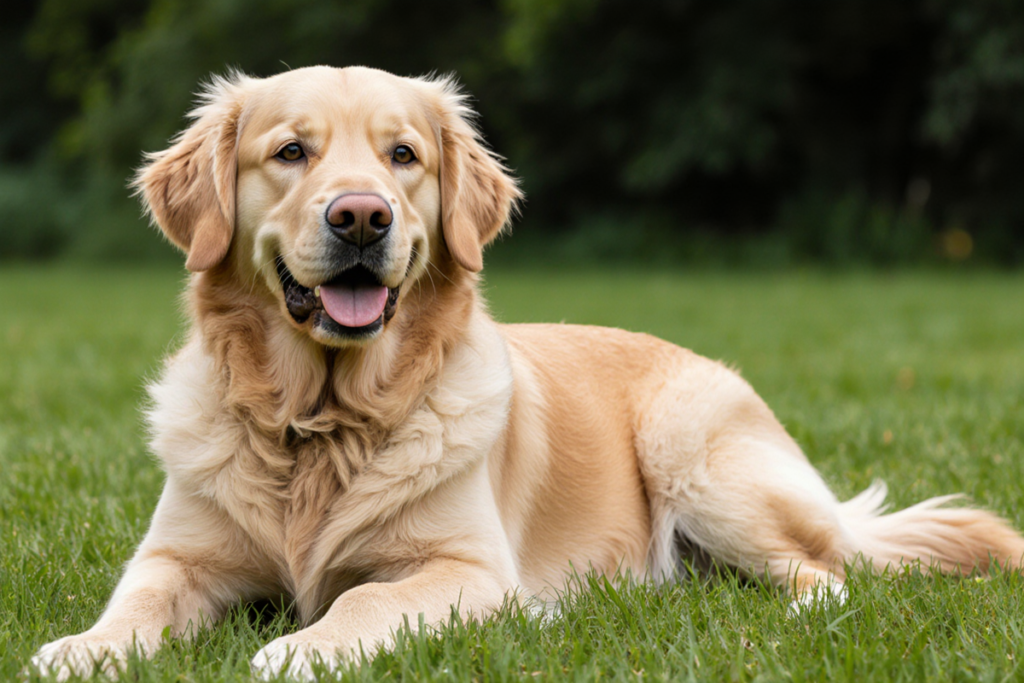
Personality: Intelligent, Friendly, Devoted.
Height: 21.5-24 inches.
Weight: 55-75 lbs.
Coat & Color: Medium-length, dense; shades of gold.
Life Expectancy: 10-12 years.
Grooming Needs: High (sheds heavily, regular brushing).
If kindness had a mascot, it would be a Golden Retriever. They are the quintessential family dog: tolerant, trustworthy, and endlessly optimistic.
Pros:
Unfailingly gentle, patient, and fantastic with children. Biddable and love to learn, responding well to positive training. Their stable, friendly temperament is hard to beat.
Cons:
Like Labs, they are high-energy and heavy shedders. They are prone to chewing in their youth and can be overly enthusiastic (read: muddy and wiggly). They experience a greater occurrence of certain types of cancer.
6.The Bichon Frise.
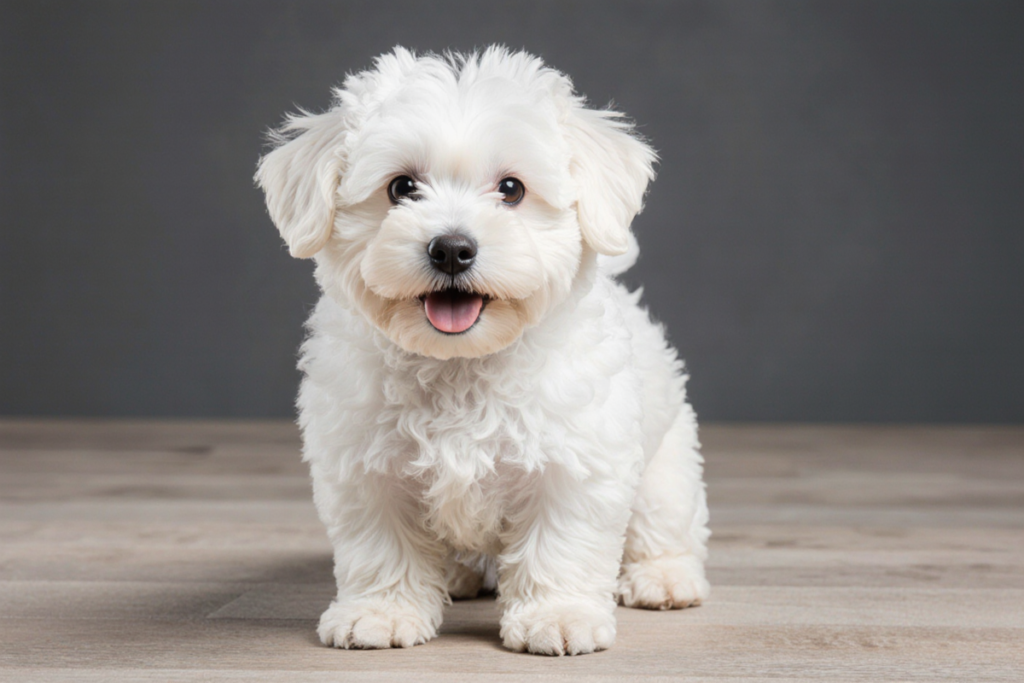
Personality: Playful, Curious, Peppy.
Height: 9.5-11.5 inches.
Weight: 12-18 lbs.
Coat & Color: Curly, hypoallergenic; white.
Life Expectancy: 14-15 years.
Grooming Needs: High (daily brushing, professional grooming).
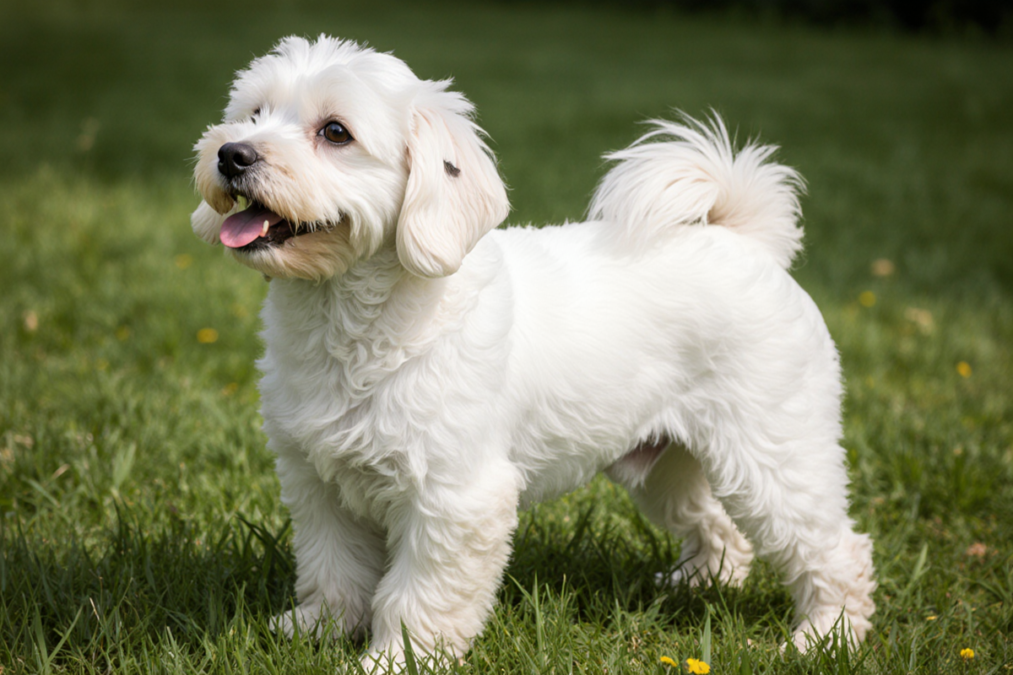
A walking cotton ball with a merry disposition. The Bichon is a small, sturdy dog whose sole mission is to be charming and to make you smile.
Pros:
A naturally happy, playful, and affectionate companion who thrives on human interaction. They are typically great with other dogs and people. Their coat is hypoallergenic, though high-maintenance.
Cons:
Requires frequent, professional grooming to prevent matting. Can be difficult to housetrain. Prone to separation anxiety and may develop “small dog syndrome” (barking, stubbornness) if not properly trained.
7.The Shih Tzu.
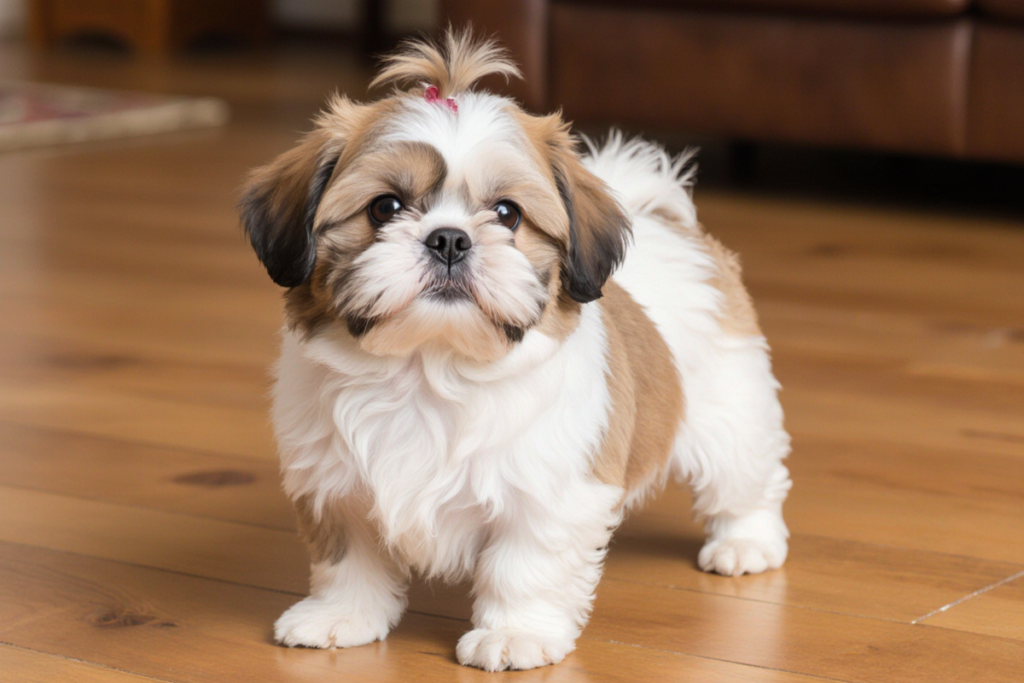
Personality: Affectionate, Playful, Charming.
Height: 9-10.5 inches.
Weight: 9-16 lbs.
Coat & Color: Long, flowing; all colors.
Life Expectancy: 10-16 years.
Grooming Needs: High (daily brushing essential).
Bred for centuries to be a royal companion, the Shih Tzu is a sturdy, sweet-natured lap dog with a beautiful, flowing coat and a confident, friendly attitude.
Pros:
Primarily a lover, not a worker. They are happy to adapt to your lifestyle, whether it’s leisurely or moderately active. They are affectionate, good with considerate children, and make excellent apartment dogs.
Cons:
That long coat demands daily brushing to avoid tangles. Their short muzzle can lead to breathing issues (brachycephalic syndrome) and they don’t tolerate heat well. Stubborn streaks can appear during training.
8.The Whippet
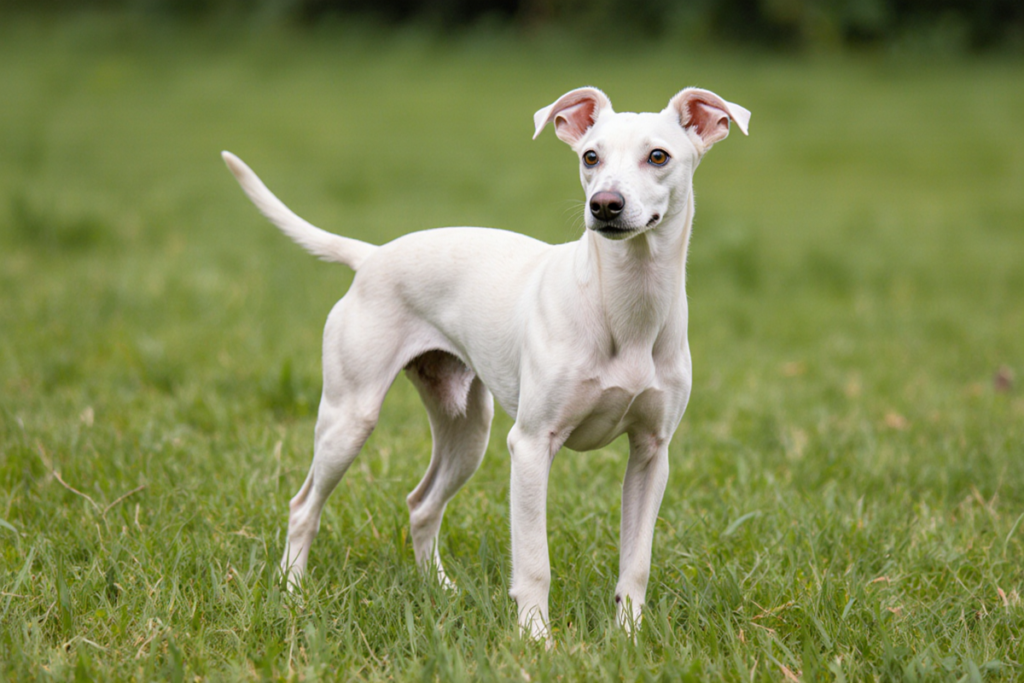
Personality: Calm, Affectionate, Quiet.
Height: 18-22 inches.
Weight: 25-40 lbs.
Coat & Color: Short, smooth; wide variety.
Life Expectancy: 12-15 years.
Grooming Needs: Low (occasional brushing).
The “poor man’s Greyhound,” the Whippet is a gentle, quiet soul built for speed. They are relaxed and laid-back indoors but show short bursts of playful energy when outside.
Pros:
Low-maintenance in terms of grooming (short coat) and barking (they are notoriously quiet). They are gentle, clean, and form deep bonds with their families. Surprisingly adaptable to apartment life.
Cons:
Their strong prey drive means they may chase small animals and need a securely fenced area. They can be sensitive to the cold and sometimes timid if not well-socialized. They are not off-leash dogs except in very secure areas.
First-Time Dog Owner Essentials: Beyond the Breed
Choosing the right breed is just the first step. Setting yourself up for success involves a few key preparations.
- Puppy-Proof Your Home: Before bringing your dog home, get on their level. Look for loose wires, toxic plants (like lilies or poinsettias), small choking hazards, and accessible trash cans.
- Invest in Quality Training: Even the easiest dog for a first time owner benefits from structured training. Consider a positive-reinforcement puppy class. It’s less about teaching your dog “sit” and more about teaching you how to communicate with them.
- Establish a Routine Immediately: Dogs thrive on predictability. Set consistent times for meals, potty breaks, walks, and bedtime. This reduces anxiety and accelerates house training.
- Budget for the Whole Dog: The purchase price is just the start. Factor in high-quality food, routine vet care (vaccinations, check-ups), grooming, supplies, and an emergency fund for unexpected illnesses.
FAQs: Your Questions, Answered
What is the absolute easiest dog breed for a first-time owner?
Many experts point to the Cavalier King Charles Spaniel or the Labrador Retriever. Cavaliers for their effortless companionship in smaller spaces, and Labs for their trainable, forgiving nature in active homes. “Easiest” truly depends on your specific lifestyle.
I work full-time. Can I still get a dog?
Yes, but you must choose wisely. An adult dog from a rescue (past the high-energy puppy phase) or a lower-energy, independent breed might be better than a puppy. You’ll also need a plan for midday breaks, like a dog walker or doggy daycare.
Should I get a puppy or an adult dog as a first-timer?
An adult dog (2+ years) can be a brilliant choice. What you see is often what you get—their personality and size are established, and they usually have basic manners and are past the destructive chewing phase. Puppies, while adorable, are a full-time job of training and supervision.
Q: Which dog breed is the friendliest for a family with young kids?
A: Both the Labrador Retriever and Golden Retriever are consistently top-rated for families due to their patient, gentle, and tolerant nature. Cavalier King Charles Spaniels are also a wonderfully soft and sweet option.
Q: I live in an apartment. What’s the best low-energy dog for a first-timer?
A: The Cavalier, Shih Tzu, and Whippet (believe it or not!) are all excellent apartment dwellers. They are generally calm indoors and their exercise needs can be met with shorter walks and indoor play.
Q: Are any of these breeds good for people with allergies?
A: Yes! Poodles and Bichon Frises are considered hypoallergenic because they have hair-like coats that shed very little. However, no dog is 100% allergen-free, so spending time with one before committing is always wise.
Q: What’s the easiest dog to train for a first-time owner?
A: The Labrador Retriever and Poodle are often the easiest due to their high intelligence and strong desire to please their owners. They make the training process smooth and rewarding.
Q: I want an affectionate dog that loves to cuddle. Which breed should I choose?
A: You’ve described a Cavalier King Charles Spaniel perfectly! They are legendary cuddle bugs. Shih Tzus and Bichons also live for lap time and close contact.
Q: Are dogs really good for first-time pet owners’ mental health?
A: Absolutely. The companionship, routine, unconditional love, and even the responsibility of caring for a dog can significantly reduce stress, anxiety, and feelings of loneliness. The daily walks are a bonus for your physical health, too!
Choosing your first dog is one of life’s great adventures. It’s not about finding the “perfect” dog, but the perfect for you dog. Look at your daily routine, your energy level, and your future dreams. Then, look into the eyes of these wonderful breeds. Whether it’s the joyful bound of a Lab or the serene snuggle of a Cavalier, your perfect match is out there, ready to turn your “first-time owner” jitters into a lifetime of tail wags and happy memories. Welcome to the wonderful world of dog ownership.