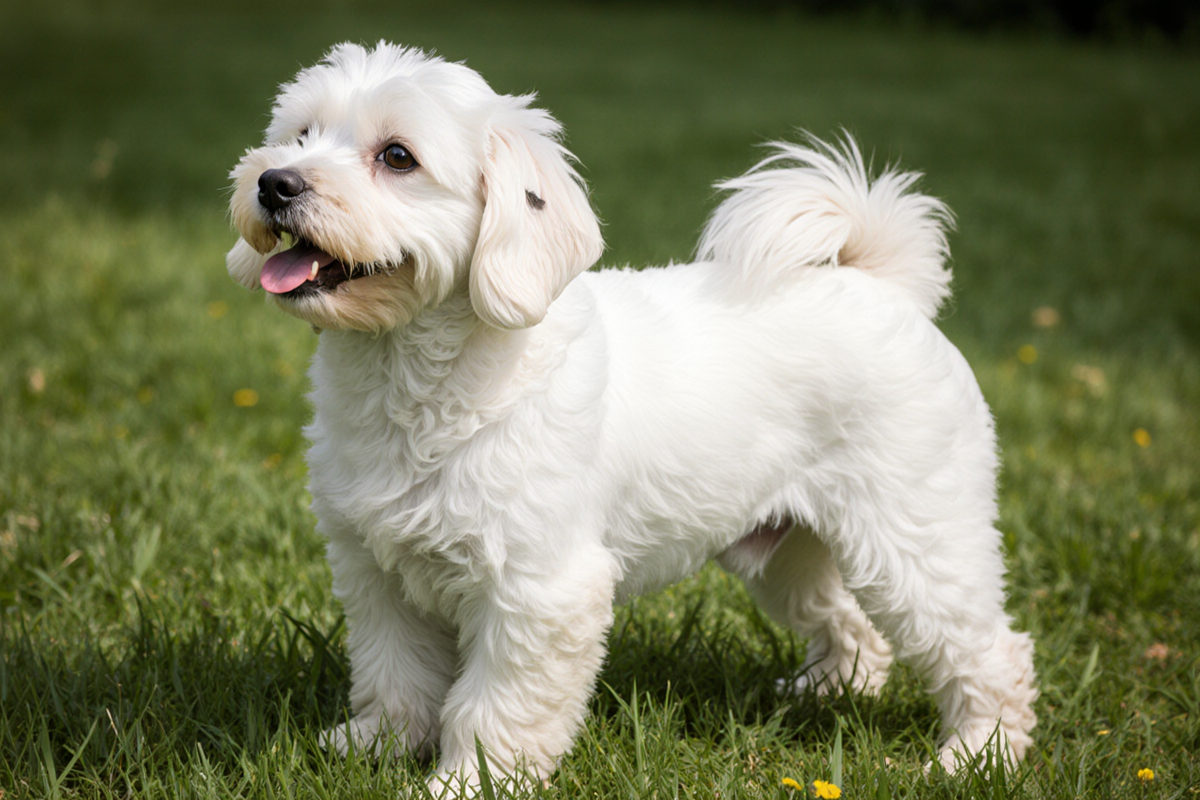
There’s something universally heartwarming about an adorable dog with short legs. Perhaps it’s their determined waddle, their grounded perspective on the world, or the way their compact bodies seem to radiate pure joy and tenacity. These charming canines, often affectionately called “low-riders” or “floor huggers,” have captured the hearts of millions. People don’t just love them for their cute proportions; they adore their larger-than-life personalities packed into a conveniently portable frame. They are proof that great things—and immense amounts of love—truly do come in small, close-to-the-ground packages. Whether they’re herding, hunting, or simply hogging the couch, these dogs bring a unique blend of comedy, courage, and companionship into our lives.
For those considering welcoming one of these delightful pups into their home, the journey begins with choosing the right breed and, of course, the perfect tiny dog names to match their larger-than-life spirit.
1. Pembroke Welsh Corgi
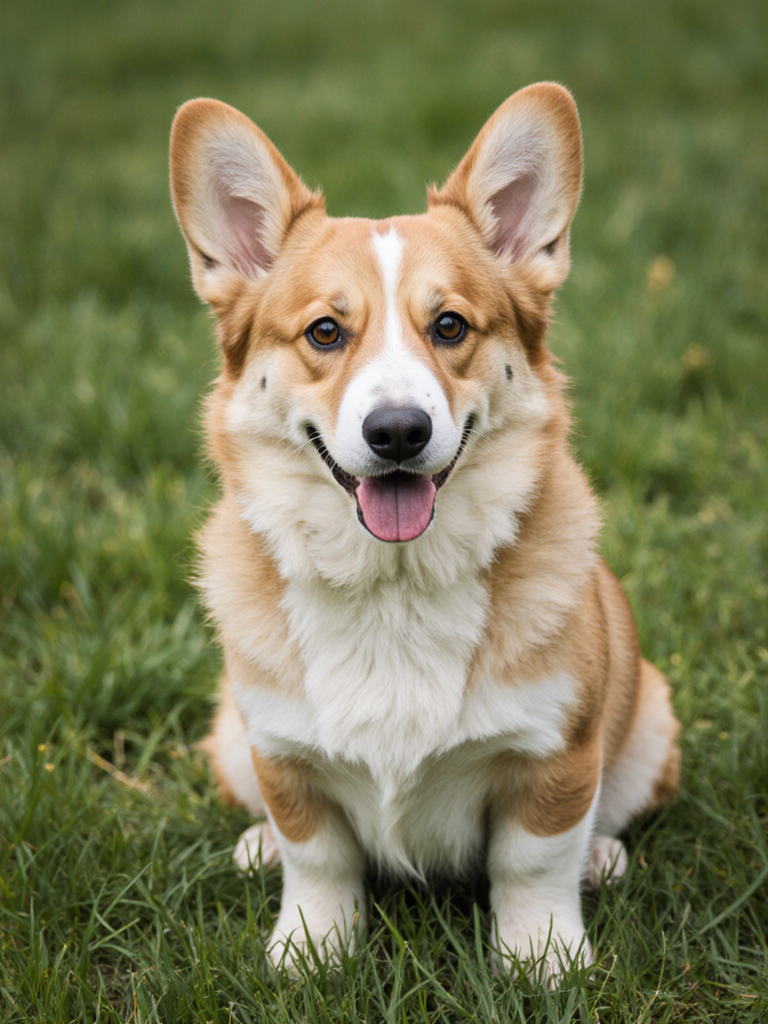
- Group: Herding Dogs.
- Personality: Intelligent, alert, bold, and family-oriented. Known for their “Corgi smile” and energetic, affectionate nature.
- Height: 10 to 12 inches at the shoulder.
- Weight: 24 to 30 pounds.
- Coat & Color: Medium-length double coat that sheds heavily. Colors include red, sable, fawn, and black & tan, often with white markings.
- Life Span: 12 to 13 years.
- Grooming Needs: High. Requires brushing several times a week and daily during seasonal shedding to manage undercoat.
Perhaps the most famous short-legged dog, the Pembroke Welsh Corgi is a sturdy, athletic herding breed with a fox-like face and expressive ears. Known for their intelligence and signature smile, they were historically used to herd cattle, using their low stature to nip at heels while dodging kicks.
Pros:
- Exceptionally intelligent, trainable, and eager to please.
- Energetic and playful companions for active households.
- Deeply loyal, affectionate, and thrive on being part of family activities.
Cons:
- Strong herding instinct can lead to nipping at children’s heels.
- Prone to weight gain and back issues (IVDD).
- Heavy, year-round shedders—their coat is not for the faint of heart.
2. Dachshund
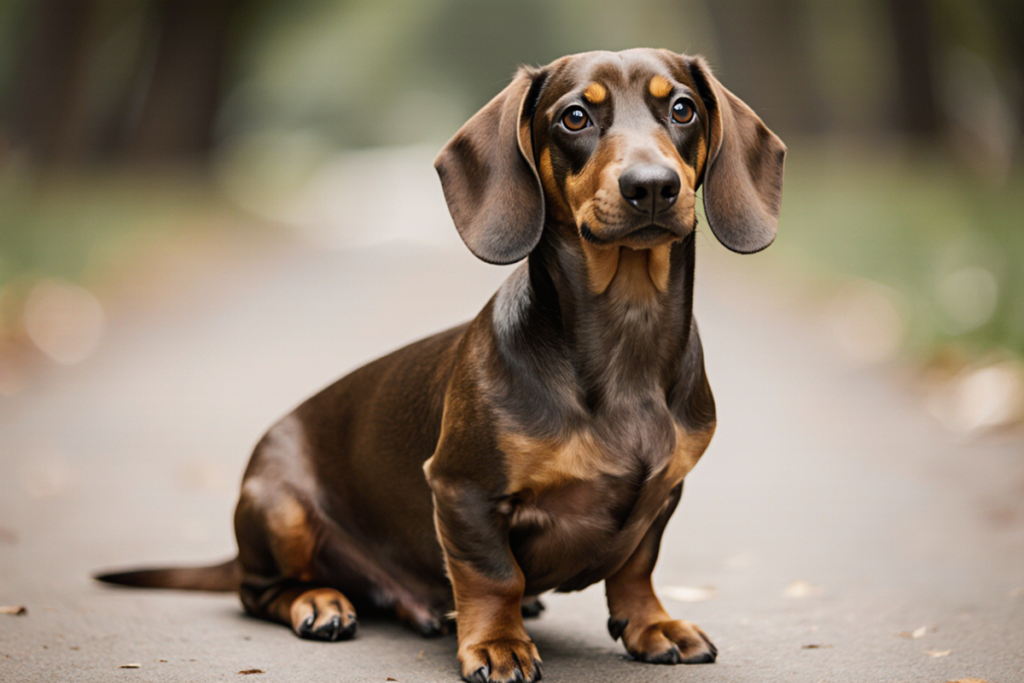
- Group: Hound Dogs.
- Personality: Curious, brave, clever, and stubborn. A lively companion with a big personality in a small package.
- Height: 8 to 9 inches (miniature) at the shoulder.
- Weight: 8 to 11 pounds (miniature).
- Coat & Color: Comes in three varieties: smooth, longhaired, and wirehaired. Colors include red, black & tan, chocolate, and dapple patterns.
- Life Span: 12 to 16 years.
- Grooming Needs: Low to Moderate. Smooth coats need minimal care; longhaired and wirehaired varieties require weekly brushing.
The quintessential “wiener dog,” Dachshunds were bred for grit and determination in hunting badgers underground. They come in three coat varieties (smooth, longhaired, wirehaired) and two sizes (miniature and standard), all characterized by their remarkably long body and very short legs.
Pros:
- Fearlessly curious with a larger-than-life, comedic personality.
- Adaptable to apartments and various living situations.
- Form intensely loyal bonds with their family.
Cons:
- Extremely high risk for spinal disc issues (IVDD); ramps are a must.
- Can be stubborn, independent, and challenging to housebreak.
- May have a strong prey drive and be suspicious of strangers.
3. Basset Hound
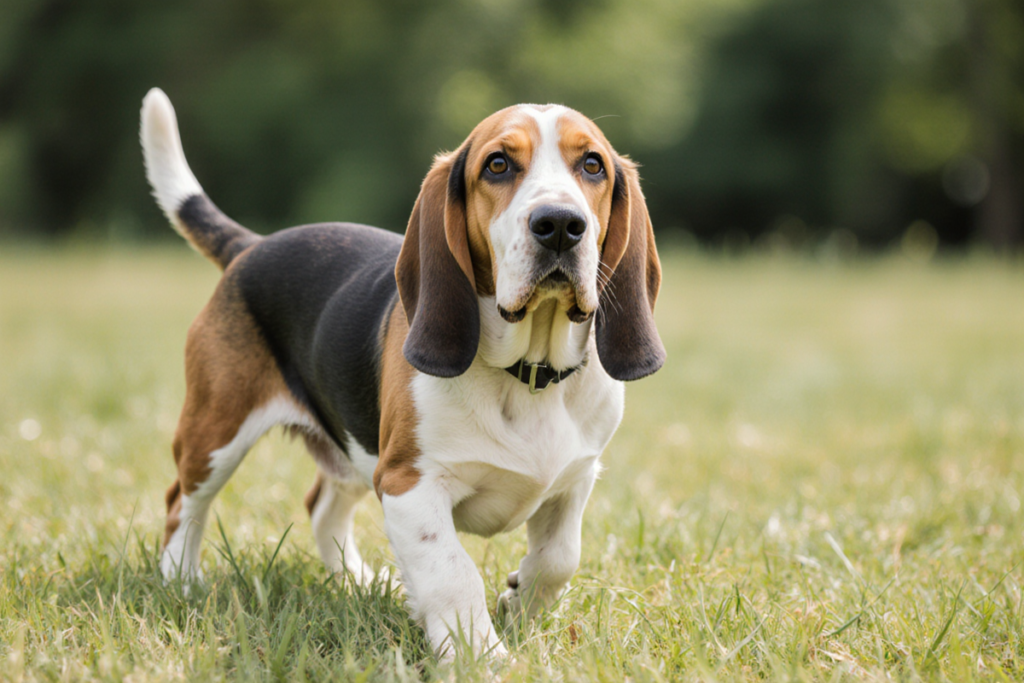
- Group: Hound Dogs.
- Personality: Gentle, friendly, easygoing, and charmingly stubborn. Known for a mournful expression but a sweet, patient disposition.
- Height: Up to 15 inches at the shoulder.
- Weight: 45 to 65 pounds.
- Coat & Color: Short, smooth, and hard coat. Classic colors are tri-color (black, white, and brown), red & white, or lemon & white.
- Life Span: 12 to 13 years.
- Grooming Needs: Low for coat (weekly brush), but High for maintenance. Requires daily ear cleaning to prevent infections and wrinkle care.
With saggy skin, long velvety ears, and a profoundly soulful expression, the Basset Hound is a scent hound of unmistakable charm. Their short legs are powerful, originally bred to keep their exceptional nose close to the ground during long, patient hunts.
Pros:
- Legendarily gentle, easygoing, and excellent with children.
- Low-energy indoors, perfectly happy with leisurely sniff-filled strolls.
- Generally friendly with everyone and other dogs.
Cons:
- Incredibly stubborn; training requires immense patience (they are scent-driven).
- Prone to ear infections, obesity, elbow dysplasia, and bloat.
- Loud, baying bark, prolific drooling, and a distinct houndy odor.
4. Scottish Terrier
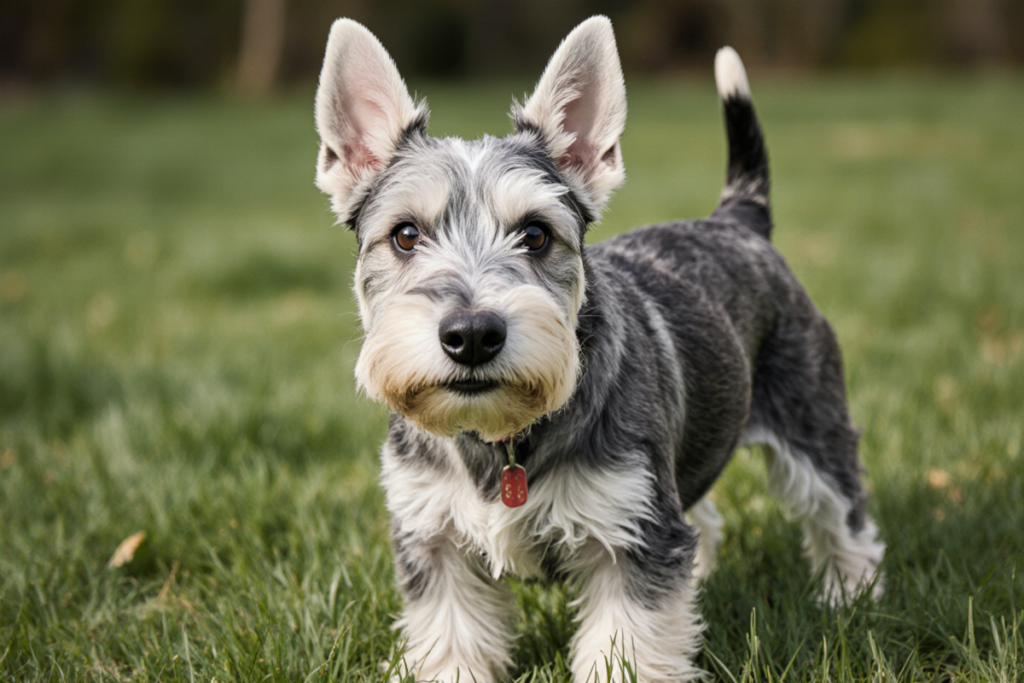
- Group: Terrier Dogs.
- Personality: Independent, confident, alert, and fiercely loyal. A dignified, bold character with a strong will.
- Height: About 10 inches at the shoulder.
- Weight: 19 to 22 pounds.
- Coat & Color: A wiry, double-layer outer coat with a soft undercoat. Standard colors are black, brindle, or wheaten.
- Life Span: 12 to 15 years.
- Grooming Needs: High. Requires regular brushing and professional hand-stripping or clipping every 6-8 weeks to maintain coat texture.
The dignified “Scottie” is a small but substantial terrier with a distinctive profile, including erect ears, a wise beard, and short legs that power a determined, rolling gait. They are known for their independent, “noble” nature and immense self-confidence.
Pros:
- Fiercely loyal and devoted to their inner circle.
- Alert, brave, and make excellent, watchful companions.
- Minimal shedding (but requires regular professional grooming).
Cons:
- Can be aloof, territorial, and sometimes scrappy with other dogs.
- Independent and strong-willed (“terrier-tough” to train).
- Prone to “Scottie cramp,” von Willebrand’s disease, and some cancers.
5. Cardigan Welsh Corgi
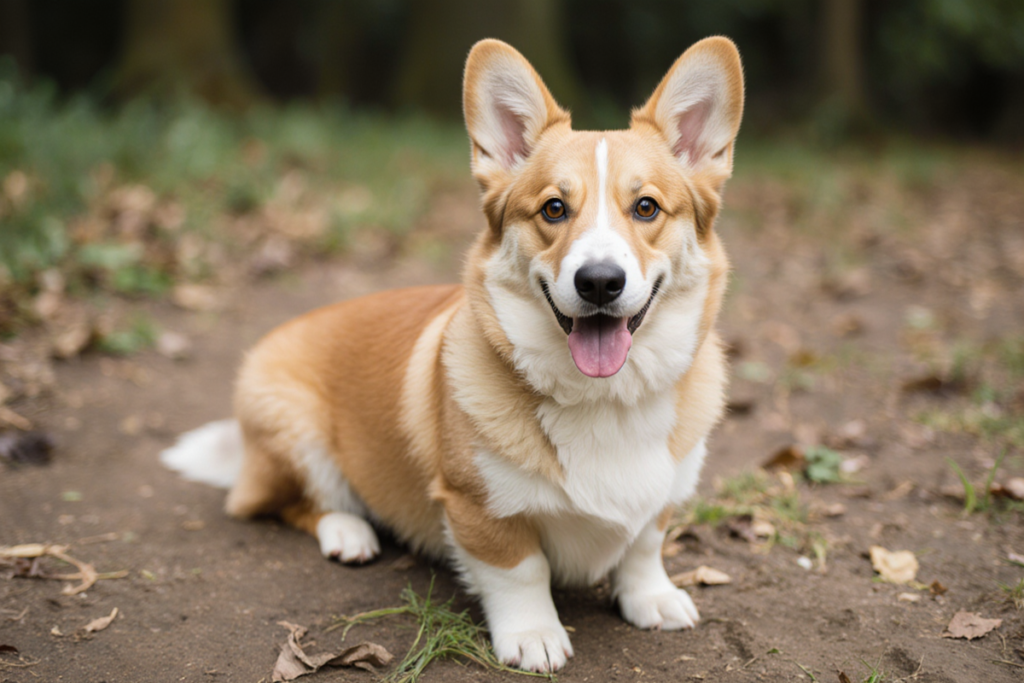
- Group: Herding Dogs.
- Personality: Loyal, affectionate, more reserved than the Pembroke, and highly alert. A versatile and intelligent family guardian.
- Height: 10.5 to 12.5 inches at the shoulder.
- Weight: 25 to 38 pounds.
- Coat & Color: Medium-length double coat. Comes in a wider variety than the Pembroke, including brindle, red, sable, blue merle, and black & white.
- Life Span: 12 to 15 years.
- Grooming Needs: High. Similar to the Pembroke, requires frequent brushing to control significant seasonal shedding.
Often overshadowed by the Pembroke, the Cardigan Corgi is distinctively older, slightly larger, blessed with a long tail, and tends to be more reserved. Their beautiful coat comes in a wider array of colors, including striking blue merle.
Pros:
- Highly adaptable, intelligent, and slightly more patient than the Pembroke.
- Loyal family guardians who form deep bonds.
- Versatile; can be a calm couch companion or an active hiking buddy.
Cons:
- Retains strong herding instincts and needs a job to do.
- Can be vocal and initially wary of strangers.
- Require consistent exercise and diet management to avoid obesity.
6. Dandie Dinmont Terrier
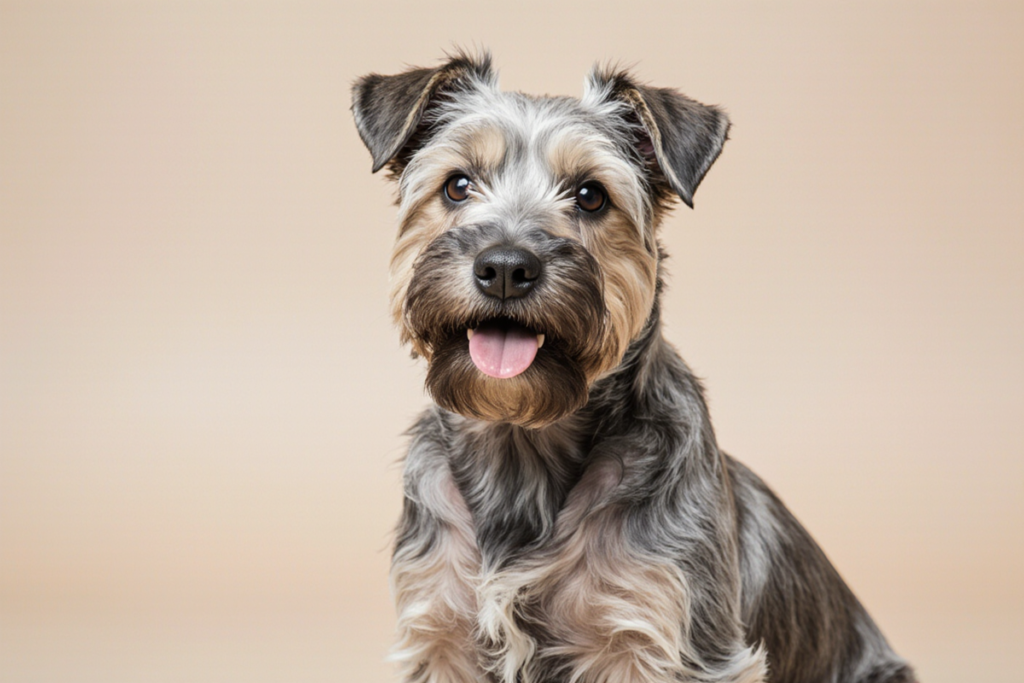
- Group: Terrier Dogs.
- Personality: Affectionate, dignified, and quietly determined. Known for a calm, less terrier-like demeanor and a unique, charming appearance.
- Height: 8 to 11 inches at the shoulder.
- Weight: 18 to 24 pounds.
- Coat & Color: Unique “pencil” coat: a crisp, silky top-knot on the head with a softer, linty body coat. Colors are exclusive pepper (blue-black to silver) or mustard (reddish-brown to pale fawn).
- Life Span: 12 to 15 years.
- Grooming Needs: High (Specialized). Requires professional grooming techniques like hand-stripping every 6-8 weeks and regular combing to maintain the distinctive coat texture and prevent matting.
A rare and unique gem among terriers, the Dandie Dinmont boasts a distinctive “top-knot” of hair on its head, a long body, and short, slightly bowed legs. They possess a calm, dignified demeanor that sets them apart from more frantic terriers.
Pros:
- Surprisingly calm, affectionate, and less yappy than many terriers.
- Intelligent and generally more biddable.
- Charming and loyal to their family with a big-dog presence.
Cons:
- Rare breed, which can mean long waitlists and higher cost from responsible breeders.
- Professional grooming is required every 6-8 weeks for their unique coat.
- Can still exhibit typical terrier stubbornness and a moderate prey drive.
7. Sussex Spaniel
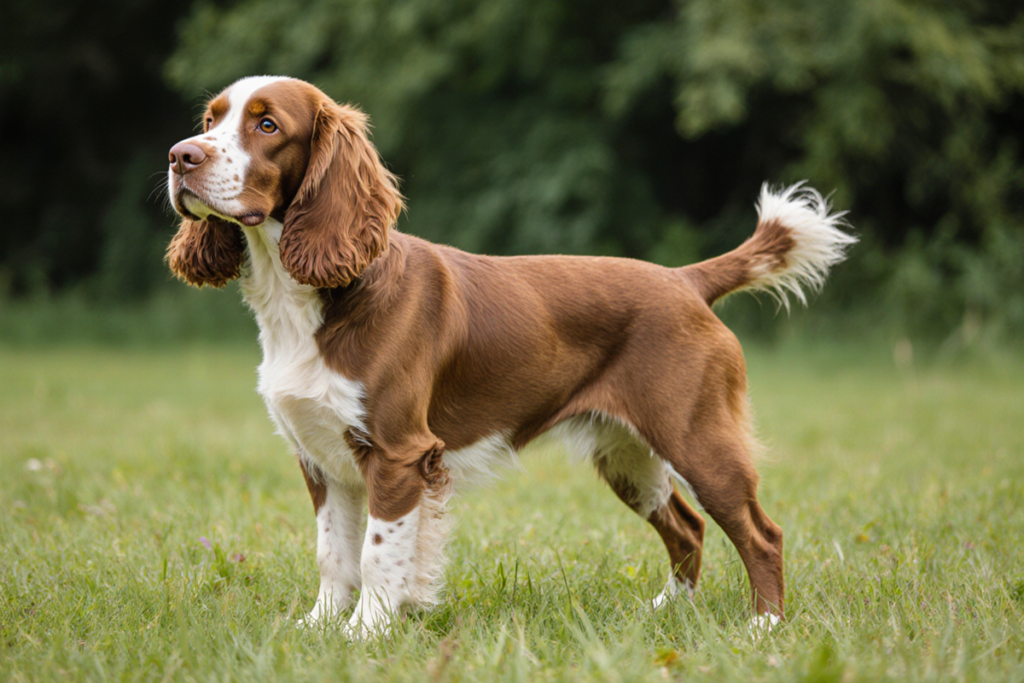
- Group: Sporting Dogs.
- Personality: Cheerful, friendly, and steady-tempered. Famous for their unique, melodious “singing” growl when happy or excited.
- Height: 13 to 15 inches at the shoulder.
- Weight: 35 to 45 pounds.
- Coat & Color: Long, flat, and silky with light feathering. The color is exclusively a rich, solid golden liver.
- Life Span: 11 to 14 years.
- Grooming Needs: High. Requires thorough, daily brushing to prevent tangles and mats in the long, dense coat. Regular ear cleaning is also essential.
: One of the rarest spaniel breeds, the Sussex is a solid, low-to-the-ground sporting dog with a long body, abundant feathering, and a uniquely somber expression that breaks into a joyful wag. They are known for their steady, cheerful attitude and distinctive rolling gait.
Pros:
- Remarkably even-tempered, gentle, and wonderful with families.
- Less hyperactive than other spaniels, content with moderate exercise.
- Known for their melodious, talking growl when happy or excited.
Cons:
- Very rare, making finding a responsible breeder a dedicated quest.
- Their long, thick coat requires significant, regular grooming.
- Can be prone to ear infections and weight gain if not exercised properly.
8. Swedish Vallhund
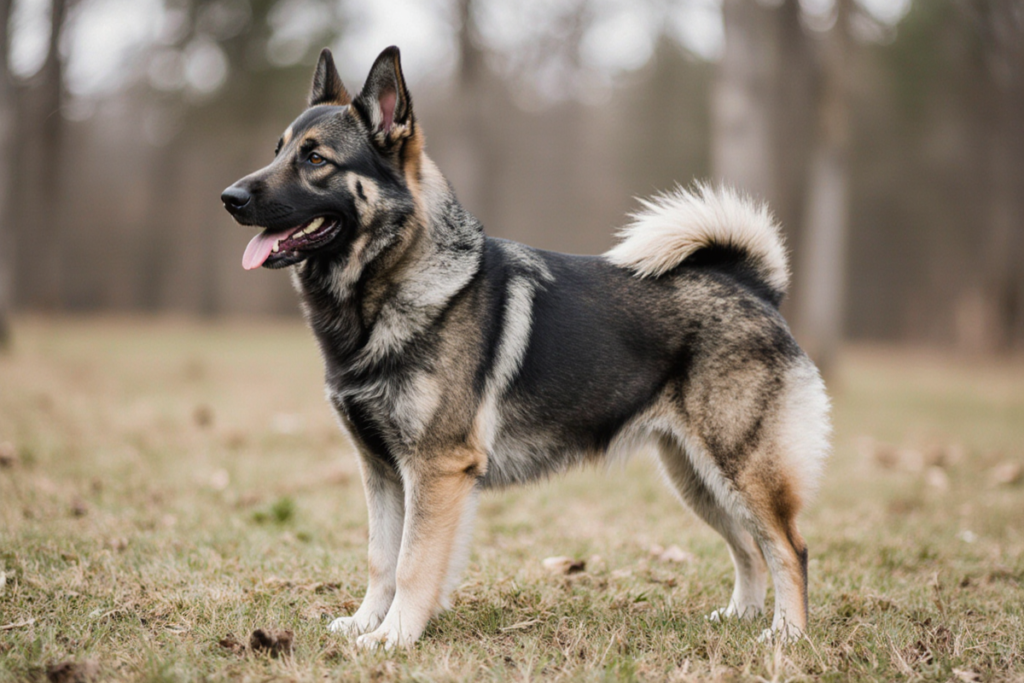
- Group: Herding Dogs.
- Personality: Fearless, friendly, energetic, and alert. A true “big dog in a small body” with a strong work ethic and playful spirit.
- Height: 11.5 to 13.5 inches at the shoulder.
- Weight: 20 to 35 pounds.
- Coat & Color: Medium-length double coat. Colors include gray, red, and sable, often with distinctive “harness” markings (lighter shading on the shoulders and face).
- Life Span: 12 to 15 years.
- Grooming Needs: Moderate. Brushing 1-2 times per week is sufficient, but they are seasonal shedders and require daily brushing during peak shedding times.
Often called the “Viking Dog” or “Wolf Corgi,” this ancient herding breed is athletic, agile, and bears a striking resemblance to the Corgi but with a longer back and different tail carriage. They are spirited, watchful, and exceptionally friendly.
Pros:
- Energetic, intelligent, and highly trainable for dog sports.
- Generally very healthy and robust with fewer back issues than Corgis.
- Extremely affectionate and good with children when socialized.
Cons:
- High-energy and needs a lot of physical and mental stimulation.
- Can be vocal and has a strong herding instinct.
- Moderate to heavy shedders, especially during seasonal blows.
9. Norfolk Terrier
- Group: Terrier Dogs.
- Personality: Alert, spirited, affectionate, and surprisingly adaptable. One of the most sociable and amiable of the terrier breeds.
- Height: 9 to 10 inches at the shoulder.
- Weight: 11 to 12 pounds.
- Coat & Color: A hard, wiry, and straight topcoat with a soft undercoat. Colors include various shades of red, wheaten, black & tan, and grizzle.
- Life Span: 12 to 16 years.
- Grooming Needs: Moderate. The coat needs regular hand-stripping or professional clipping 3-4 times a year to maintain its texture and color, plus weekly brushing.
One of the smallest working terriers, the Norfolk (with dropped ears) is a fearless, compact, and sturdy little dog. Their wiry coat and bright, alert expression hide a heart of gold, making them one of the most adaptable and amiable of the terrier clan.
Pros:
- Generally less aggressive with other dogs than some terriers.
- Adaptable, hardy, and can thrive in both city and country settings.
- Affectionate, playful, and forms very close bonds with their owners.
Cons:
- Still a terrier—can be stubborn, chase small animals, and dig.
- Their wiry coat requires regular hand-stripping or clipping.
- Can develop “Small Dog Syndrome” if not consistently trained.
10. Glen of Imaal Terrier
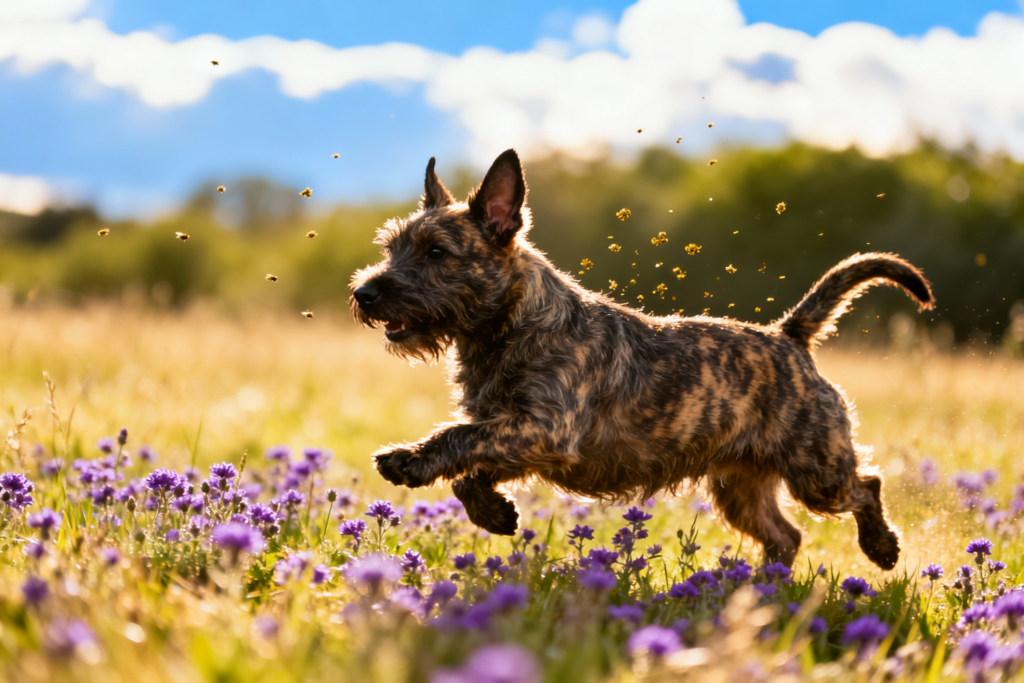
- Group: Terrier Dogs.
- Personality: Courageous, gentle at home, spirited, and known as a “silent hunter.” Less yappy than other terriers, with a calm but determined nature.
- Height: 12.5 to 14 inches at the shoulder.
- Weight: 32 to 40 pounds.
- Coat & Color: Medium-length, harsh, and wiry outer coat with a soft undercoat. Colors are blue, brindle, or wheaten.
- Life Span: 10 to 15 years.
- Grooming Needs: Moderate. A thorough brushing 2-3 times per week is needed to remove dead hair and prevent matting, but the coat is relatively low-maintenance compared to other terriers.
A truly rare Irish terrier, the Glen is a powerful, low-to-the-ground dog bred to be a silent, determined hunter. They are more laid-back than most terriers, known for their quiet dignity, courage, and unique “rolling” gait due to their short, bowed legs.
Pros:
- Calmer and less yappy than the typical terrier stereotype.
- Brave, loyal, and deeply devoted to their family.
- Surprisingly strong and sturdy for their size.
Cons:
- Extremely rare outside of Ireland; very difficult to find.
- Can be dog-aggressive, especially with same-sex dogs.
- Independent thinkers who require patient, firm training.
Useful Tips for Bonding with Your Short-Legged Companion.
Bonding with your adorable dog with short legs goes beyond basic care. Here’s how to build an unbreakable connection:
- Respect Their Physical Limits: Their cute stature comes with risks. Invest in pet stairs/ramps for furniture and cars to protect their long backs. Avoid overly strenuous jumping or high-impact activities.
- Engage Their Minds: These are often intelligent, purpose-bred dogs. Use puzzle toys, scent games (Basset Hounds excel at this!), and short, positive training sessions to keep them mentally sharp and deepen your communication.
- Find Their Motivation: Whether it’s a favorite treat, a squeaky toy, or verbal praise, discover what makes your pup tick. Use this to make training and bonding rewarding for both of you.
- Scheduled Snuggle Time: Many of these breeds are affectionate and thrive on physical closeness. Designate a daily time for quiet petting, gentle brushing, or simply relaxing together on the couch.
- Adventure on Their Level: Explore the world at their pace. Let them sniff thoroughly on walks—it’s how they “read the news.” Short, frequent walks are better than marathon sessions for their shorter legs and potential joint concerns.
- Choose the Perfect Moniker: The right name strengthens your bond. When picking from tiny dog names or small dog names, consider their personality. A brave Dachshund might suit “Ranger,” while a goofy Corgi could be “Nugget.” Names for short legged dogs often play on their appearance, like “Lowkey” or “Stumpy,” in the most loving way!
FAQ: All About Adorable Dogs with Short Legs
Q1: Are dogs with short legs good for apartment living?
A: Many are excellent apartment dogs due to their smaller size and moderate indoor energy. However, breeds like Corgis and Terriers still need daily mental and physical exercise to prevent boredom and barking.
Q2: What are the most common health problems?
A: Intervertebral Disc Disease (IVDD) is a major concern for long-backed breeds like Dachshunds and Corgis. Obesity can exacerbate this. Other common issues include joint problems (patellar luxation), ear infections (in Basset Hounds), and dental issues due to small jaws.
Q3: Are they easy to train?
A: It varies by breed. Corgis are highly intelligent and eager to please, while scent hounds (Bassets) and terriers (Scotties) can be stubborn and independent. Consistency, positive reinforcement, and patience are key for all.
Q4: Do they get along with children and other pets?
A: With proper socialization, most can be wonderful family pets. Supervise interactions with young children due to their small size and potential back fragility. Their prey drive (especially in Dachshunds and Terriers) may require careful management around small animals.
Q5: How much exercise do they really need?
A: They are not couch potatoes! Most require 30-60 minutes of activity per day. This can be split into walks, play sessions, and training. A tired dog is a happy, well-behaved dog.
Q6: What’s the best way to pick them up?
A: Always support both the chest and the hindquarters. For long-backed breeds, keep the spine horizontal and supported. Avoid letting them twist or jump from your arms.
Q7: I’m looking for tiny dog names male for my new puppy. Any suggestions?
A: Absolutely! Consider names that reflect their big personality: Bandit, Gus, Finn, Otto, Winston, Arlo, or Kobe. For short legged dog names, fun options like Tank, Dash, or Chance can be perfect fits.
Welcoming an adorable dog with short legs into your home is a journey filled with laughter, loyalty, and a little extra back care. By understanding their unique needs, celebrating their larger-than-life spirits, and choosing the perfect name for little dogs, you’re setting the stage for a rewarding friendship. Whether you’re charmed by the regal Scottie or the goofy Basset, these remarkable pups remind us that the biggest hearts often come in the most wonderfully compact packages.