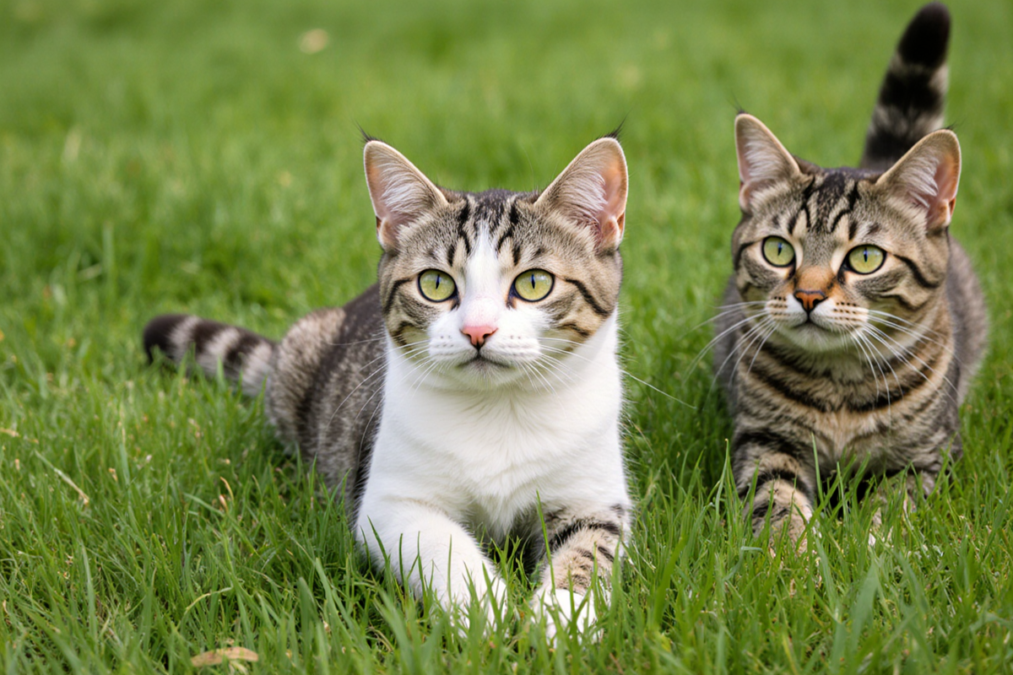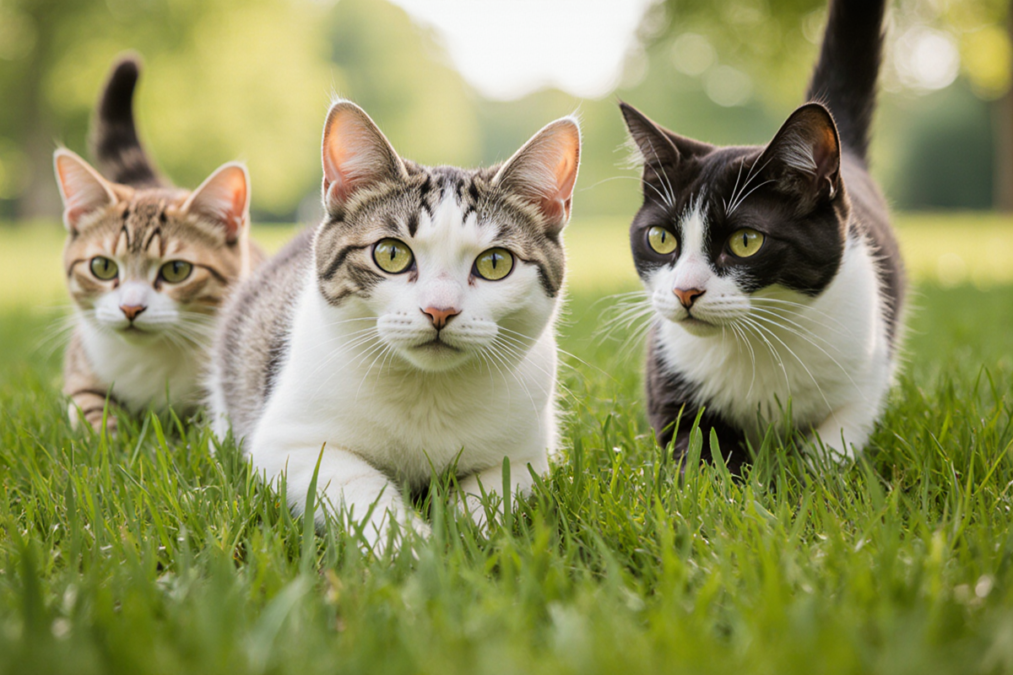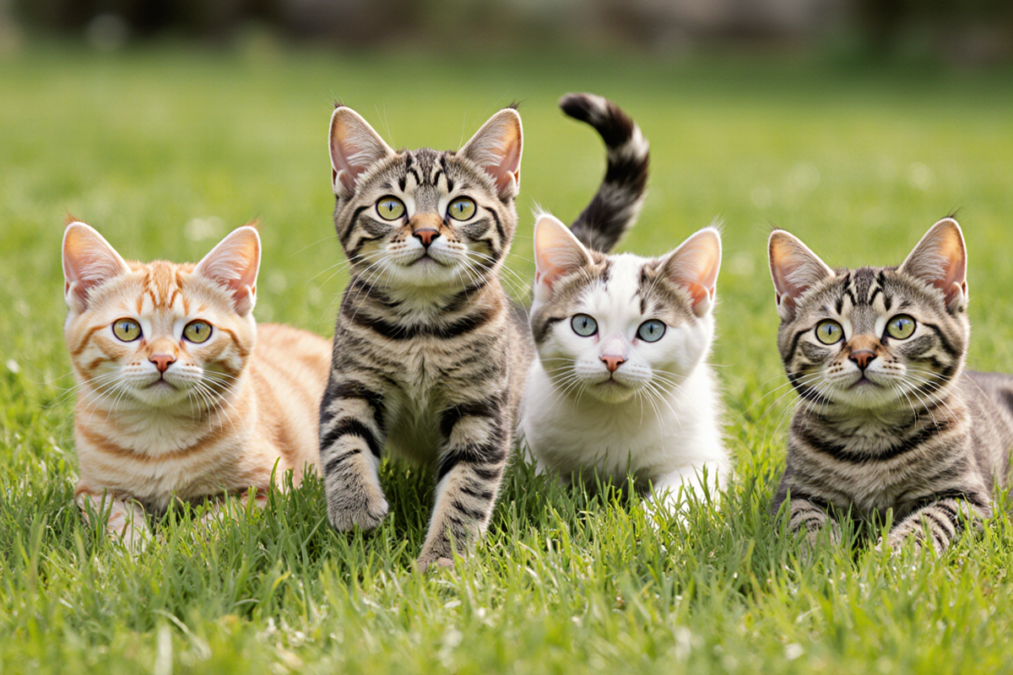
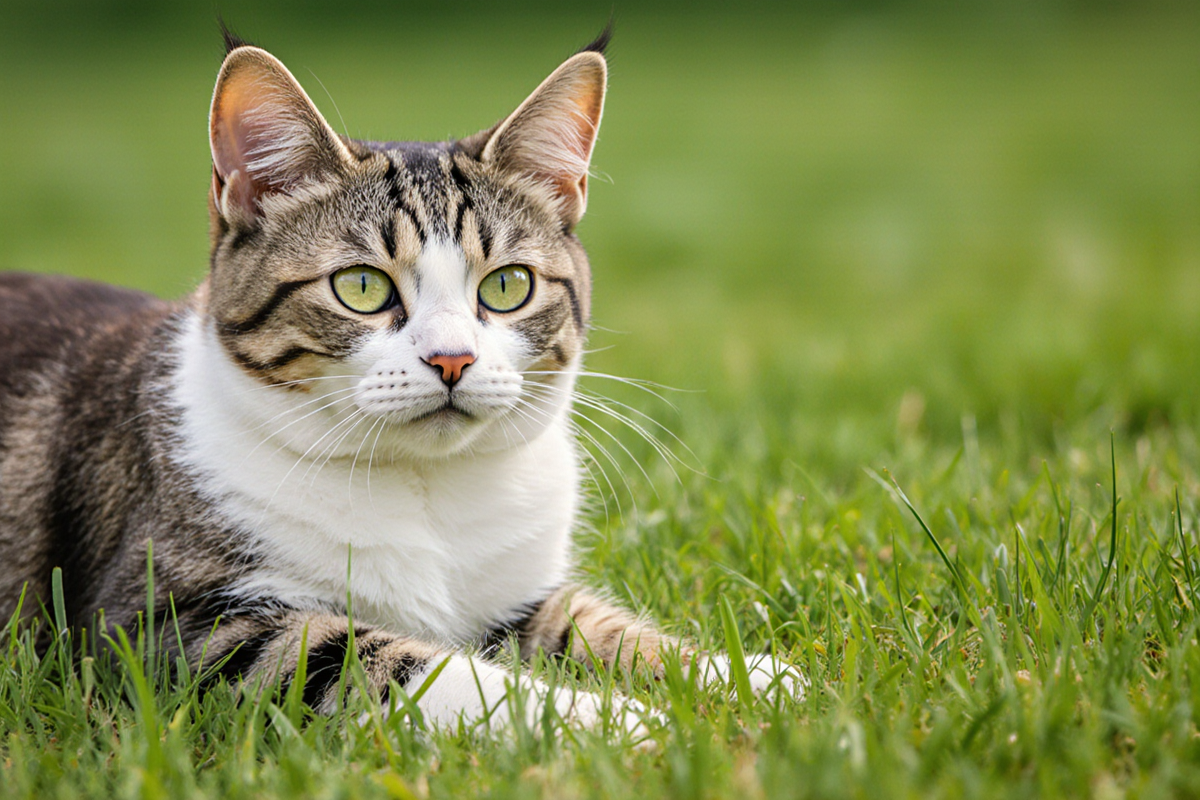
Have you ever seen a feline that moves with the playful waddle of a kitten, yet possesses the confident heart of a lion? That’s the unique magic of the adorable cat with short legs. These captivating creatures, often turning heads and melting hearts, defy their petite stature with larger-than-life personalities. The most famous of these is, of course, the Munchkin cat, a breed that has skyrocketed in popularity thanks to its distinctive, endearing build. But what is it about these cats with short legs that captivates us so?
People are drawn to them for the same reason we love dachshunds or corgis: there’s an innate, almost joyful charm in their proportions. Their short legs cat stature makes their playful pounces and speedy “bunny-hopping” runs even more delightful to watch. Despite what some may initially think, these are not handicapped cats; they are agile, energetic, and perfectly adapted to their bodies. They prove that greatness doesn’t come from height, but from spirit. This guide will introduce you to the world of short-legged cat breeds, offering a detailed look at their care, personality, and how to bond with these extraordinary companions.
The foundation for all modern cat breeds with short legs is the Munchkin. Through careful and ethical breeding, the Munchkin’s unique gene has been combined with other established breeds, creating what are known as “Munchkin hybrids” or “designer breeds.” It’s crucial to note that the short-legged trait must be introduced naturally from a Munchkin lineage. Here is a comprehensive list of these recognized and developing breeds.
1. The Munchkin Cat
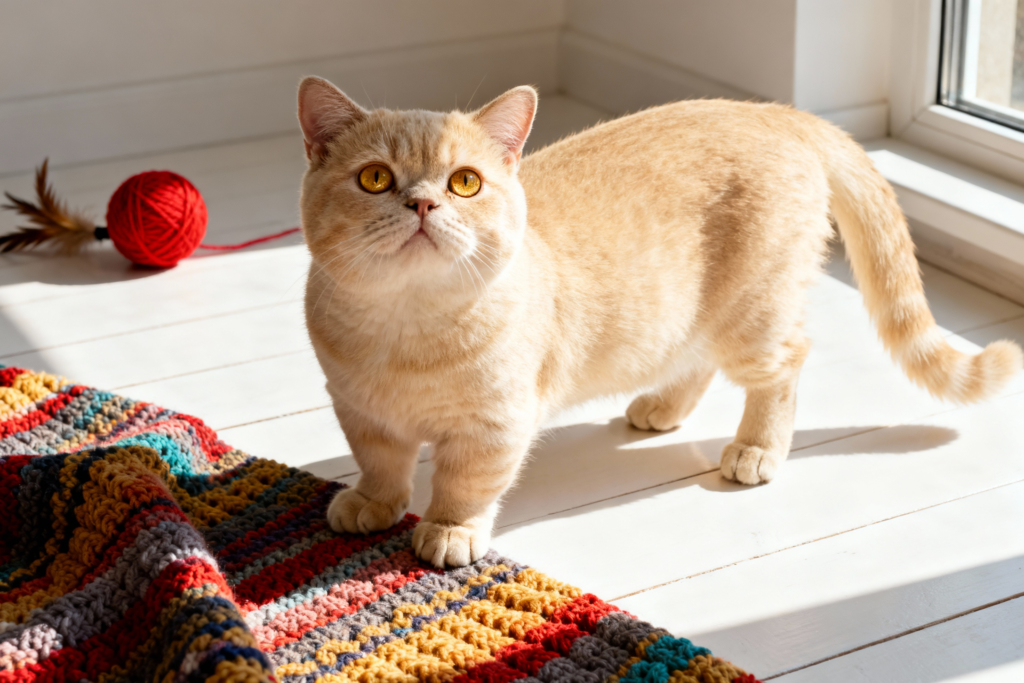
Group: Natural Mutation.
Height: 5-7 inches.
Weight: 5-9 pounds.
Personality: Playful, Confident, Social, Inquisitive.
Energy Level: Moderate to High.
Coat & Color: Short or Long; All colors and patterns.
Life Span: 12-15 years.
Grooming Needs: Low (Shorthair) to Moderate (Longhair).
The original and the most well-known cat with short legs breed. The Munchkin’s history began with a natural genetic mutation. They are characterized by their very short legs, which result from a dominant gene, and a long, sturdy body. They come in all coat lengths and colors.
Pros:
Incredibly playful, sociable, and curious. Their “height” doesn’t stop them from climbing or jumping (they just use clever routes!).They stay playful and kitten-like even as adults and get along very well with families, kids, and other animals.
Cons:
Their unique build requires monitoring for potential spinal issues like lordosis (though this is rare). They can be prone to pectus excavatum. Ethical breeding is paramount to avoid health problems. Their high energy requires engaging play.
2. The Minuet (Napoleon)
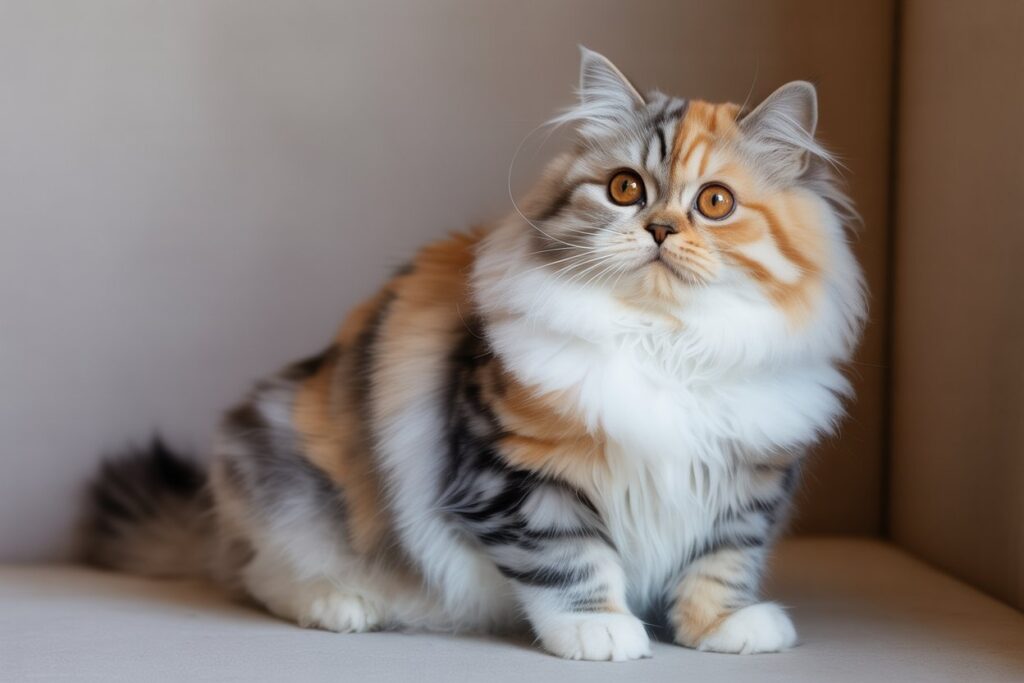
Group: Hybrid (Munchkin x Persian).
Height: 5-7 inches.
Weight: 5-9 pounds.
Personality: Affectionate, Gentle, Sweet-tempered.
Energy Level: Low to Moderate.
Coat & Color: Long or Short, Plush; All colors and patterns.
Life Span: 12-15 years.
A deliberate cross between a Munchkin and a Persian or Exotic Shorthair. This breed combines the short legs cat stature with the sweet, brachycephalic (flat) face and plush coat of the Persian.
Pros:
Extremely gentle, affectionate, and calm temperament. Less active than the pure Munchkin, making them perfect lap cats. Their round eyes and face amplify their cute cat with short legs appeal.
Cons:
Requires daily grooming, especially the long-haired variety. Can inherit brachycephalic syndrome (breathing issues) from the Persian side. Needs a clean environment due to potential tear staining.
3. The Lambkin
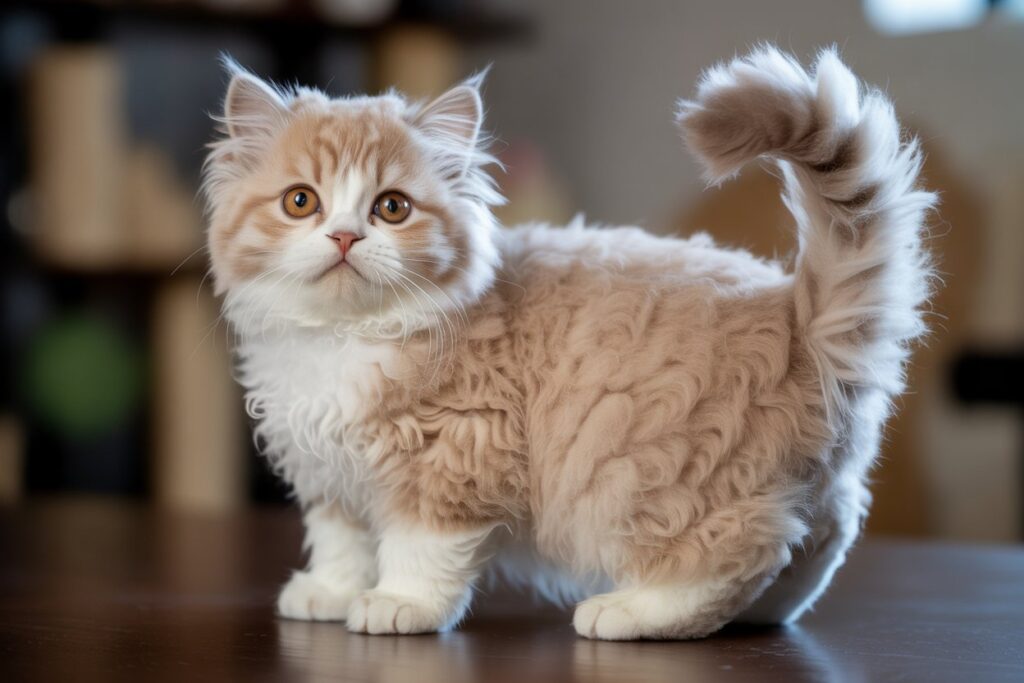
Group: Experimental Hybrid (Munchkin x Selkirk Rex).
Height: 5-8 inches.
Weight: 5-10 pounds.
Personality: Gentle, People-Oriented, Playful.
Energy Level: Moderate.
Coat & Color: Long, Curly, Plush; Various colors.
Life Span: 10-15 years.
Grooming Needs: Moderate (Regular combing for curls)
A rare and developing breed, the Lambkin is a cross between a Munchkin and a Selkirk Rex. The result is a cat with tiny legs adorned with a unique, soft, curly, and plush coat, reminiscent of a lamb’s fleece.
Pros:
A wonderfully unique appearance with a soft, curly coat. Personality is typically playful and people-oriented. The coat sheds less than traditional cat fur.
Cons:
Extremely rare, so finding a responsible breeder is challenging. The curly coat requires specific grooming to prevent matting. Still establishing breed standards and health profiles.
4. The Skookum
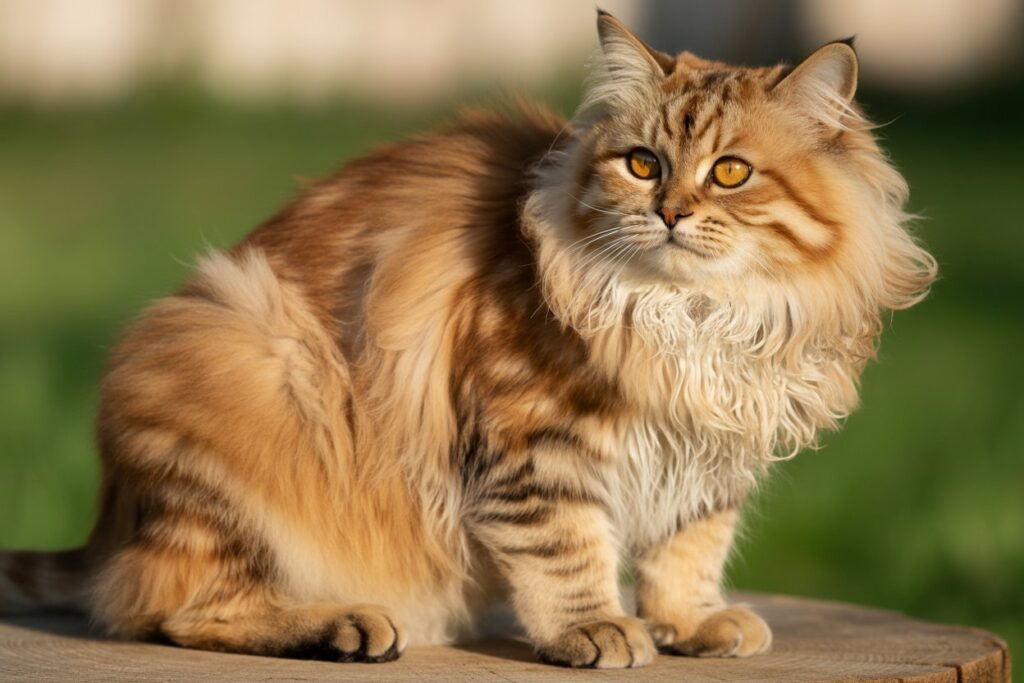
Group: Experimental Hybrid (Munchkin x LaPerm).
Height: 5-8 inches.
Weight: 4-8 pounds.
Personality: Energetic, Intelligent, Clownish.
Energy Level: High.
Coat & Color: Short or Long, Curly; Various colors/patterns.
Life Span: 12-15 years.
Grooming Needs: Moderate (Comb to prevent mats).
An energetic bundle of curls, the Skookum is a cross between the Munchkin and the LaPerm. This breed boasts the short legs cat build paired with the LaPerm’s distinctive curly coat, often forming ringlets.
Pros:
Highly active, intelligent, and acrobatic. Their curly coat is low-shedding and often hypoallergenic. They are known for being clownish and entertaining.
Cons:
High energy levels demand lots of interactive play. Their rarity makes them difficult to find. Grooming needs are specific to maintain curl definition without matting.
5. The Kinkalow
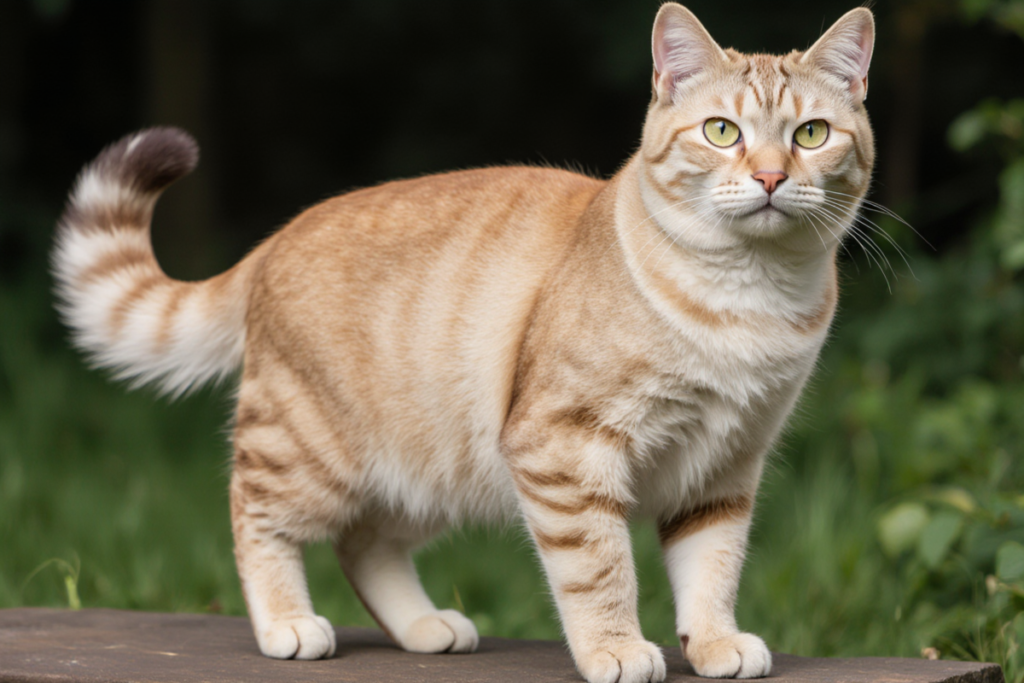
Group: Experimental Hybrid (Munchkin x American Curl).
Height: 5-7 inches.
Weight: 5-9 pounds.
Personality: Affectionate, Sweet, Playful.
Energy Level: Moderate.
Coat & Color: Short or Long; All colors and patterns.
Life Span: 12-15 years.
Grooming Needs: Low, plus Special Ear Care.
A blend of the Munchkin and the American Curl, the Kinkalow’s signature features are its stubby legs and unique ears that curl backward in a graceful arc.
Pros:
Sweet-natured, playful, and affectionate. The curled ears give them a permanently alert and curious expression. They are generally good with other animals and adaptable.
Cons:
Ear curling requires gentle handling and regular, careful cleaning. A very rare breed, so availability is extremely limited.
6. The Genetta
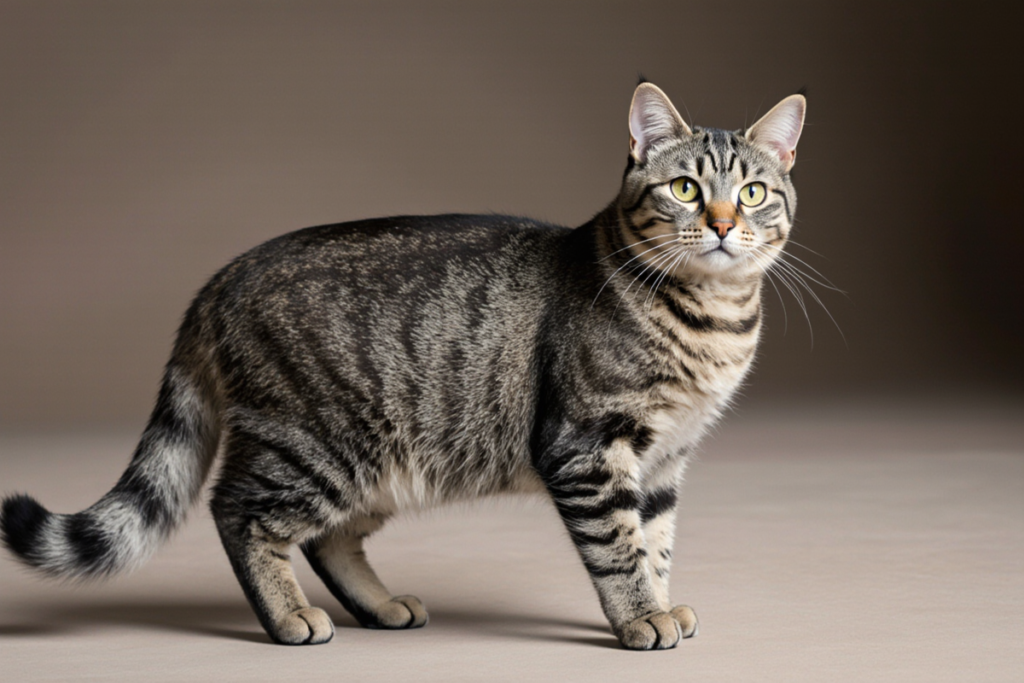
Group: Experimental Hybrid (Munchkin x Bengal/Savannah).
Height: 6-9 inches.
Weight: 5-10 pounds.
Personality: Active, Intelligent, Wild-tempered.
Energy Level: High.
Coat & Color: Short, Spotted Tabby.
Life Span: Unknown (Developing breed).
Grooming Needs: Low.
A newer experimental breed aiming for a wild, spotted look. It is a mix of Munchkin, Bengal, and Savannah cats, designed to be a small-legged, spotted feline.
Pros:
For those who love the wild aesthetic in a small package. They are active and intelligent.
Cons:
Highly experimental; temperament can be unpredictable due to the inclusion of wildcat hybrids (like early-generation Savannahs). Not recognized by major cat registries. Requires an experienced cat owner.
7. The Dwelf
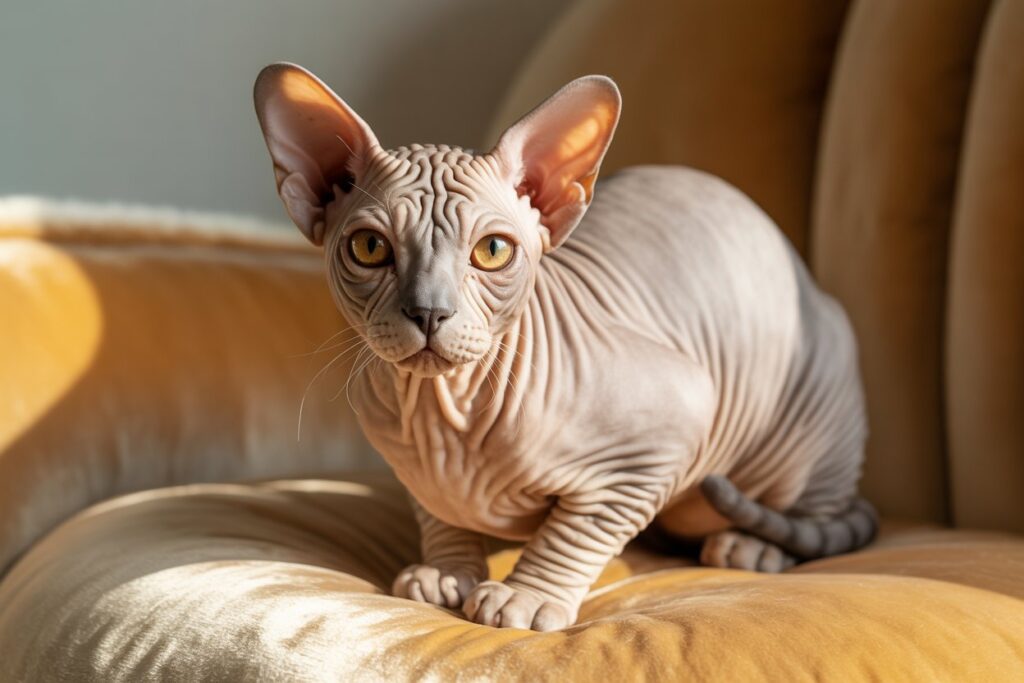
Group: Experimental Hybrid (Munchkin x Sphynx x American Curl).
Height: 5-7 inches.
Weight: 4-7 pounds.
Personality: Affectionate, Bold, Social.
Energy Level: High.
Coat & Color: Hairless (may have peach fuzz).
Life Span: 8-12 years.
Grooming Needs: Very High (Weekly baths, skincare).
Perhaps one of the most unique-looking short-legged cat breeds, the Dwelf is a combination of Munchkin, Sphynx (hairless), and American Curl genes. They are hairless, have curled ears, and of course, short legs.
Pros:
Hypoallergenic (due to lack of fur). They seek constant body heat and are exceptionally affectionate “velcro” cats. Unique, elf-like appearance.
Cons:
High maintenance: requires weekly bathing to remove oily skin residue, protection from sun and cold, and special ear cleaning. Prone to dental and skin issues. Not for everyone due to their specific care needs.
8. The Bambino
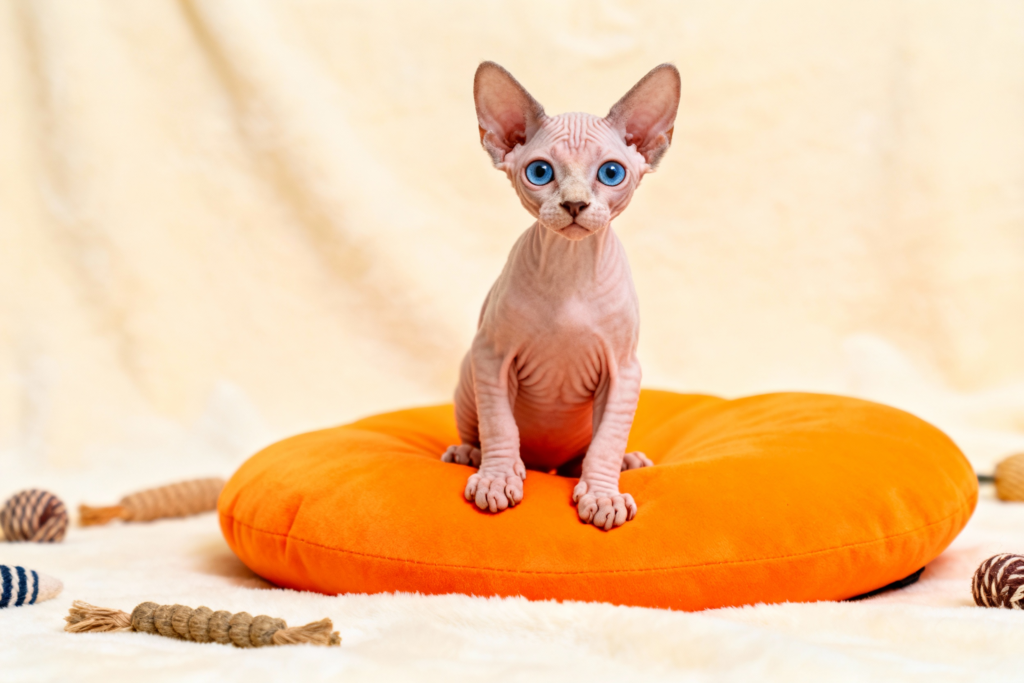
Group: Experimental Hybrid (Munchkin x Sphynx).
Height: 5-7 inches.
Weight: 5-9 pounds.
Personality: Affectionate, Playful, Loyal.
Energy Level: High.
Coat & Color: Hairless.
Life Span: 9-15 years.
Grooming Needs: Very High (Weekly baths, temperature control).
Bambino” means “baby” in Italian, a fitting name for this hairless, short-legged cat. It’s a cross between the Munchkin and the Sphynx.
Pros:
Playful, energetic, and deeply affectionate. Their hairlessness makes them hypoallergenic. They maintain a kittenish personality.
Cons:
Same high maintenance as the Sphynx and Dwelf (bathing, temperature regulation).They may inherit health concerns associated with either of the parent breeds. Needs dedicated, informed ownership.
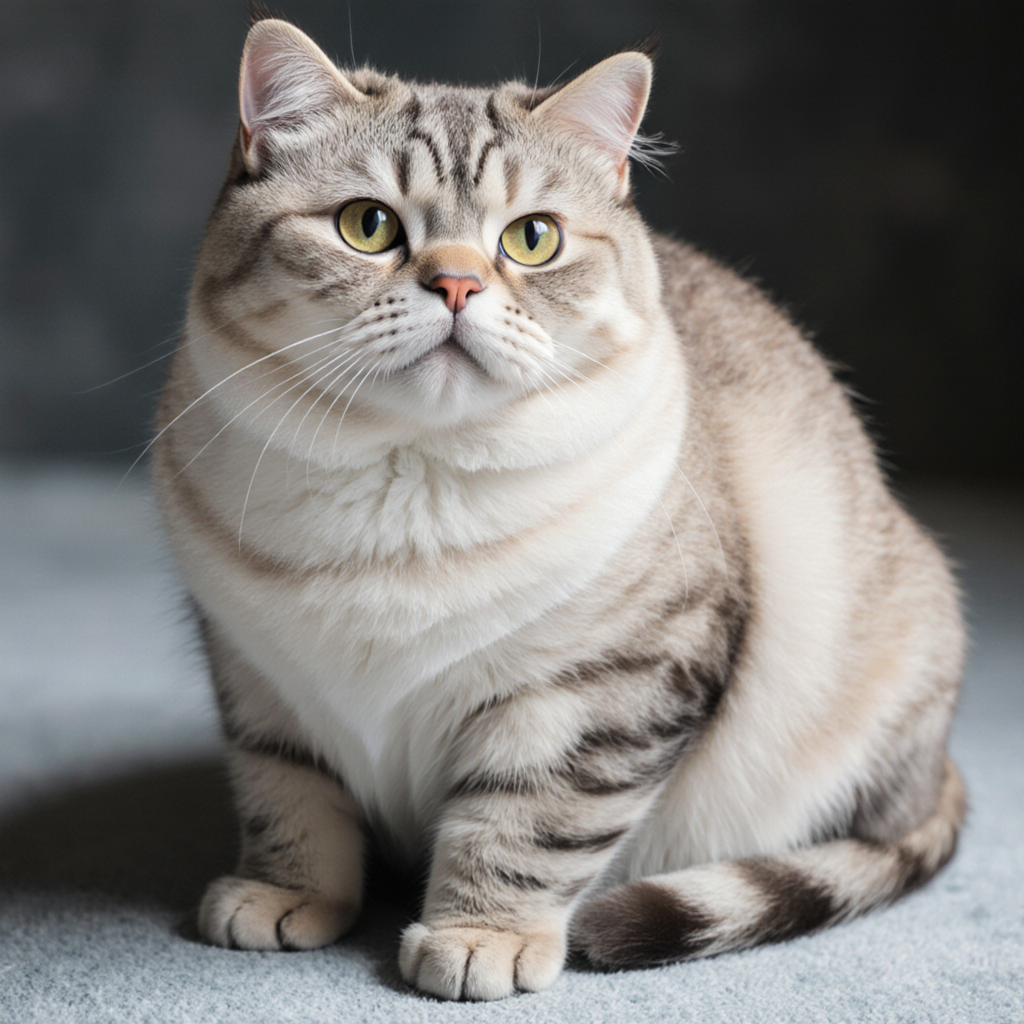
9. The Scottish Fold
Group: Natural Mutation (with cobby build).
Height: 8-10 inches.
Weight: 6-13 pounds.
Personality: Sweet, Adaptable, Calm.
Energy Level: Low to Moderate.
Coat & Color: Short or Long, Plush; All colors and patterns.
Life Span: 11-15 years.
Grooming Needs: Low to Moderate.
While famous for their unique folded ears, the Scottish Fold is a breed with a rounded, cobby body. Their legs are often described as short-to-medium in length but are notably stout and well-muscled, supporting their dense, rounded frame. This gives them a solid, grounded appearance that many fans adore.
Pros:
Typically calm, sweet-natured, and devoted “Velcro” cats. They have a quiet, chirping voice and adapt well to various living situations. Their rounded features are incredibly endearing.
Cons:
The gene that causes the folded ear is linked to osteochondrodysplasia, a potentially painful joint and cartilage disorder. Ethical breeding is critical—only breeding a folded-ear cat to a straight-eared cat (a Scottish Straight) is essential to minimize health risks. Potential owners must be vigilant about sourcing from responsible breeders.
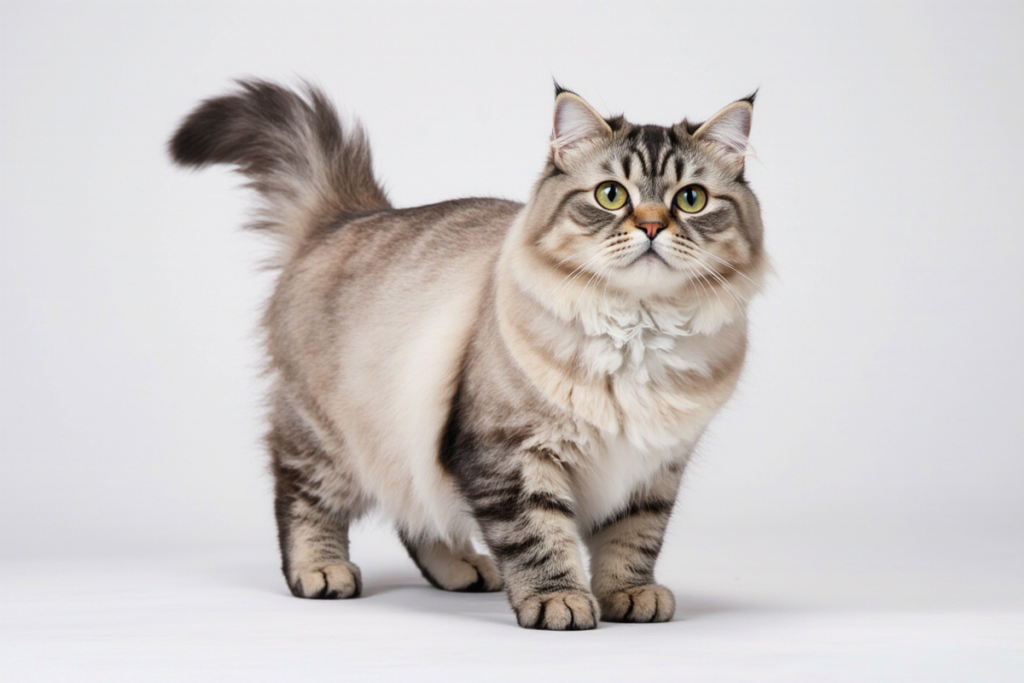
10. The Persian
Group: Natural (Cobby).
Height: 10-12 inches.
Weight: 7-12 pounds.
Personality: Calm, Sweet, Quiet, Gentle.
Energy Level: Low.
Coat & Color: Long, Luxurious, Fluffy; All colors and patterns.
Life Span: 12-17 years.
Grooming Needs: Very High (Daily brushing essential).
The quintessential lap cat, the Persian is the epitome of a “cobby” breed. They have a massive, rounded body supported by short, thick, strong legs. Combined with their long, flowing coat and flat face, their short-legged cat stature contributes to their iconic, luxurious look of noble solidity.
Pros:
Extremely gentle, quiet, and sedate. They are the perfect companion for a calm home, thriving on routine and peaceful companionship. Their beauty is unmatched.
Cons:
Extremely high grooming needs—daily, thorough combing is mandatory to prevent painful, life-threatening mats. Prone to brachycephalic syndrome (breathing issues), dental problems, and eye weeping (epiphora). Not an active or independent breed.
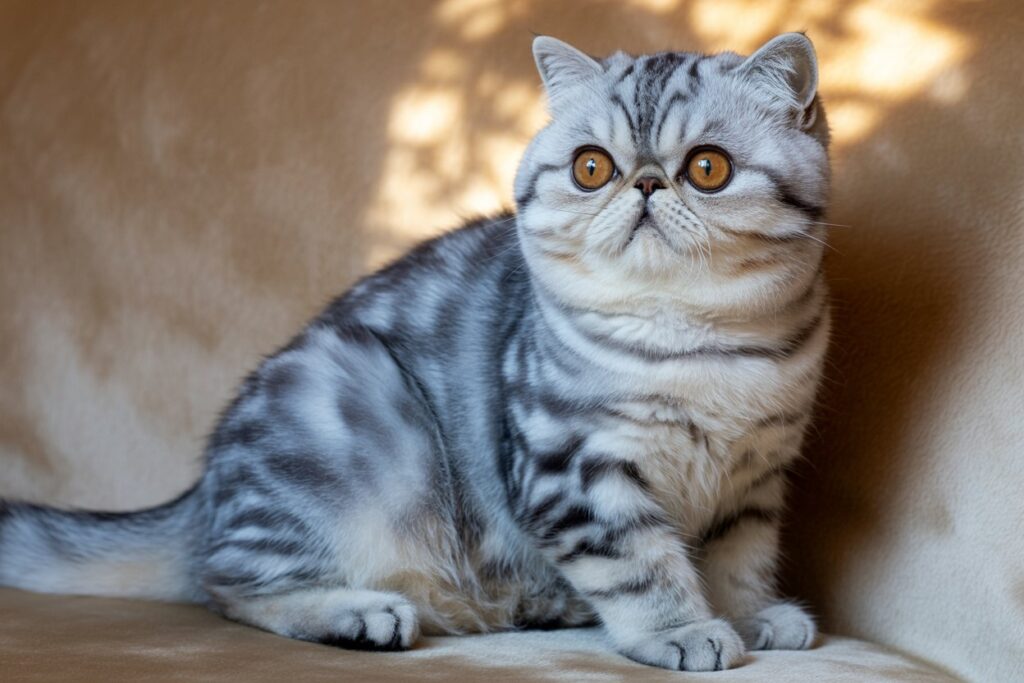
11. The Exotic Shorthair
Group: Hybrid (Persian-type, Cobby).
Height: 10-12 inches.
Weight: 7-12 pounds.
Personality: Playful, Affectionate, Calm.
Energy Level: Low to Moderate.
Coat & Color: Short, Plush, Dense; All colors and patterns.
Life Span: 12-15 years.
Grooming Needs: Low (Weekly brushing).
Often called the “lazy man’s Persian,” the Exotic Shorthair has the exact same cobby, heavy-boned, short-legged cat body and sweet face as the Persian but is blessed with a short, plush, easy-care coat. They are essentially a Persian in a low-maintenance jacket.
Pros:
All the lovely, calm, affectionate personality of the Persian with vastly reduced grooming needs (a weekly brush usually suffices). Their plush coat and teddy bear face are irresistible.
Cons:
Still prone to the same brachycephalic and dental issues as Persians. They may be at risk of developing polycystic kidney disease (PKD). While easier, their coat still requires regular care.
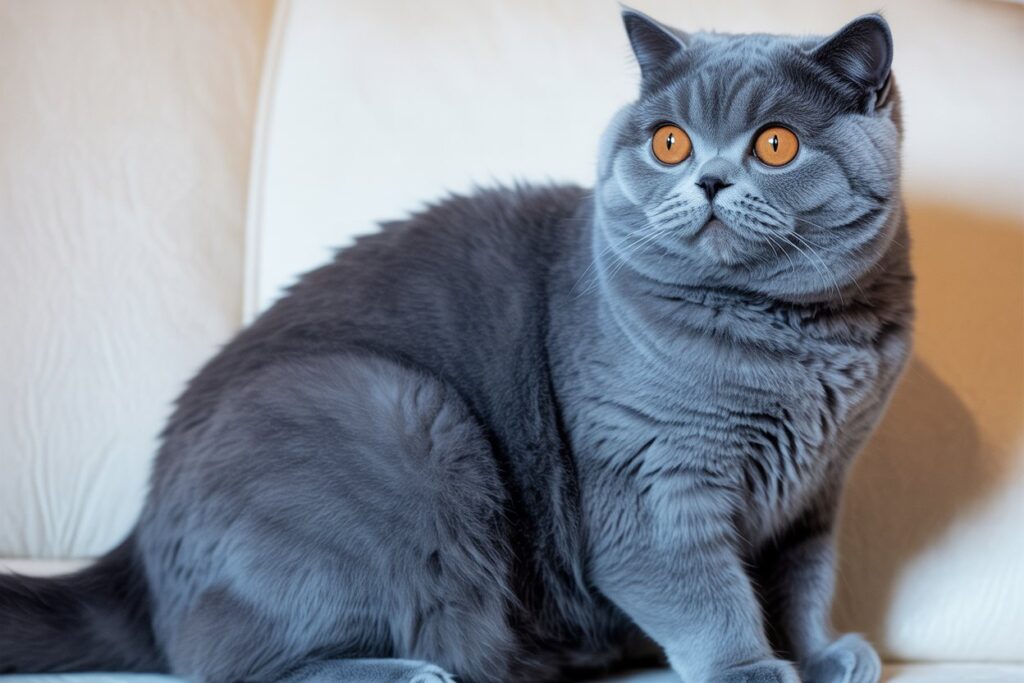
12. The British Shorthair
Group: Natural (Very Cobby).
Height: 12-14 inches.
Weight: 7-17 pounds (males larger).
Personality: Easygoing, Loyal, Calm, Undemanding.
Energy Level: Low to Moderate.
Coat & Color: Short, Crisp, Dense; Solid colors, colorpoints.
Life Span: 12-20 years.
Grooming Needs: Low (Weekly brushing).
The British Shorthair is the original powerhouse breed. They are famously compact and cobby, with a broad chest, sturdy bone, and legs that are short to medium in length but incredibly robust. This gives them a distinctly dense, “plush” and grounded appearance, like a living teddy bear. They are the epitome of a solid, cat with a sturdy, low build.
Pros:
Calm, easygoing, and undemanding. They are affectionate but not clingy, making them perfect for busy households. They are generally very healthy and have a dense, easy-care coat.
Cons:
Can be prone to obesity due to their love of food and sedate nature. Requires careful weight management. They are not typically lap cats but prefer to sit beside you.
13. The Selkirk Rex
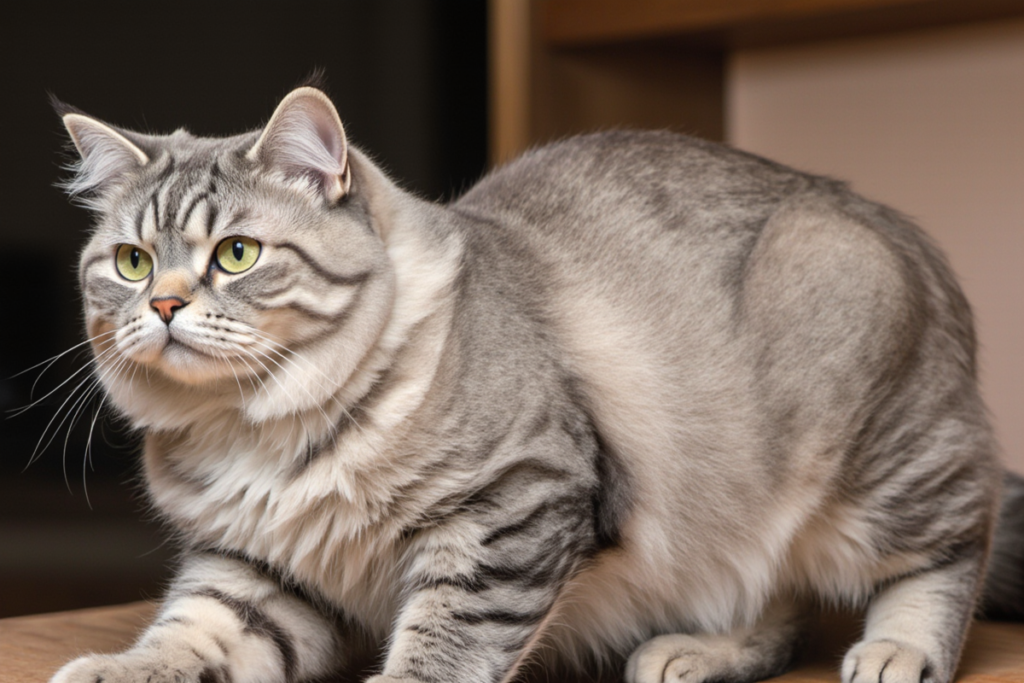
Group: Natural Mutation (Substantial build).
Height: 9-11 inches.
Weight: 6-16 pounds.
Personality: Patient, Tolerant, Affectionate.
Energy Level: Moderate.
Coat & Color: Long or Short, Curly, Plush; All colors.
Life Span: 10-15 years.
Grooming Needs: Moderate (Regular combing for curls).
Known for their thick, curly, plush coats, the Selkirk Rex is another naturally sturdy breed. They have a substantial, rectangular body supported by medium-length, solid legs. Their combination of a unique coat and a powerfully built, grounded body makes them a distinct and charming adorable cat.
Pros:
Exceptionally patient, tolerant, and affectionate. Their quirky, curly coat is soft and inviting. They interact very well with children and coexist peacefully with other pet
Cons:
Their coat, while beautiful, requires regular combing to prevent tangles and mats, especially in the longhaired variety. They have a solid, heavy-boned build and may gain excess weight if not properly managed.
14. The American Bobtail
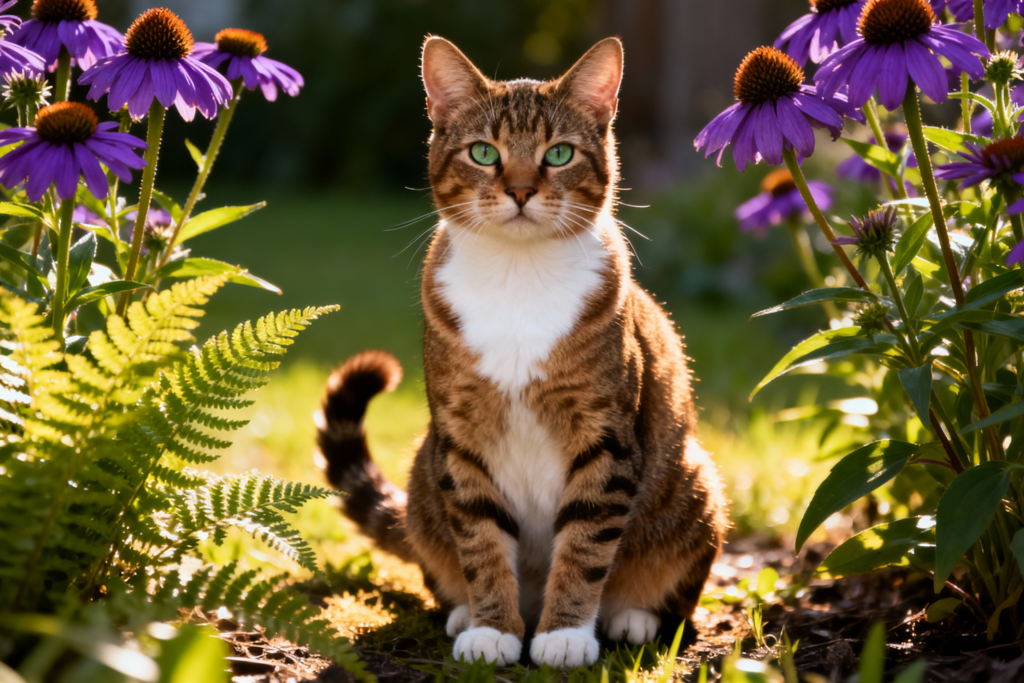
Group: Natural (Substantial, rectangular build).
Height: 9-11 inches.
Weight: 7-16 pounds.
Personality: Intelligent, Dog-like, Adaptable.
Energy Level: Moderate to High.
Coat & Color: Short or Long; All colors and patterns.
Life Span: 13-15 years.
Grooming Needs: Low to Moderate.
This breed is known for its wild look and short, expressive tail. The American Bobtail is a moderately long and substantial cat with a body that can appear quite low to the ground due to its rectangular stance and powerful build. Their hind legs are often slightly longer than the front, but their overall powerful, athletic frame gives a grounded impression.
Pros:
Highly intelligent, dog-like in their loyalty, and known for their adaptability (even as therapy cats). They are playful but not hyperactive.
Cons:
They are an active breed that requires mental and physical stimulation. Their specific tail structure needs to be checked by a vet to ensure no underlying spinal issues.
15. The Chartreux
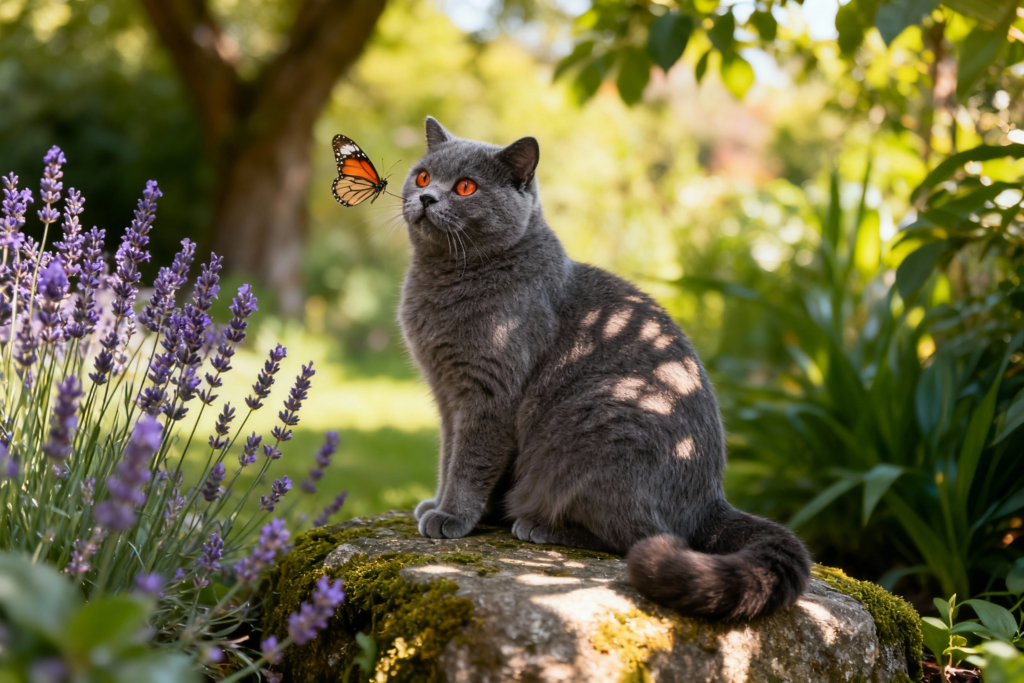
Group: Natural (Robust, muscular).
Height: 9-11 inches.
Weight: 6-16 pounds.
Personality: Quiet, Observant, Loyal, Intelligent.
Energy Level: Moderate.
Coat & Color: Short, Woolly, Dense; Blue-gray shades.
Life Span: 12-15 years.
Grooming Needs: Low (Seasonal heavy shedding).
An ancient French breed, the Chartreux is a study in quiet power. They have a robust, muscular body with broad shoulders and a deep chest. Their legs are relatively short and fine-boned but incredibly strong, contributing to their agile, powerful, yet low-slung appearance. Their blue-gray woolly coat adds to their substantial feel.
Pros:
Quiet, observant, and intelligent. They form deep bonds with their families but are not overly demonstrative. Known for their “smile” and chirping sounds. Generally very healthy.
Cons:
Can be reserved with strangers. Their dense coat requires seasonal grooming during shedding periods. They are a slow-maturing breed.
16. The Burmilla
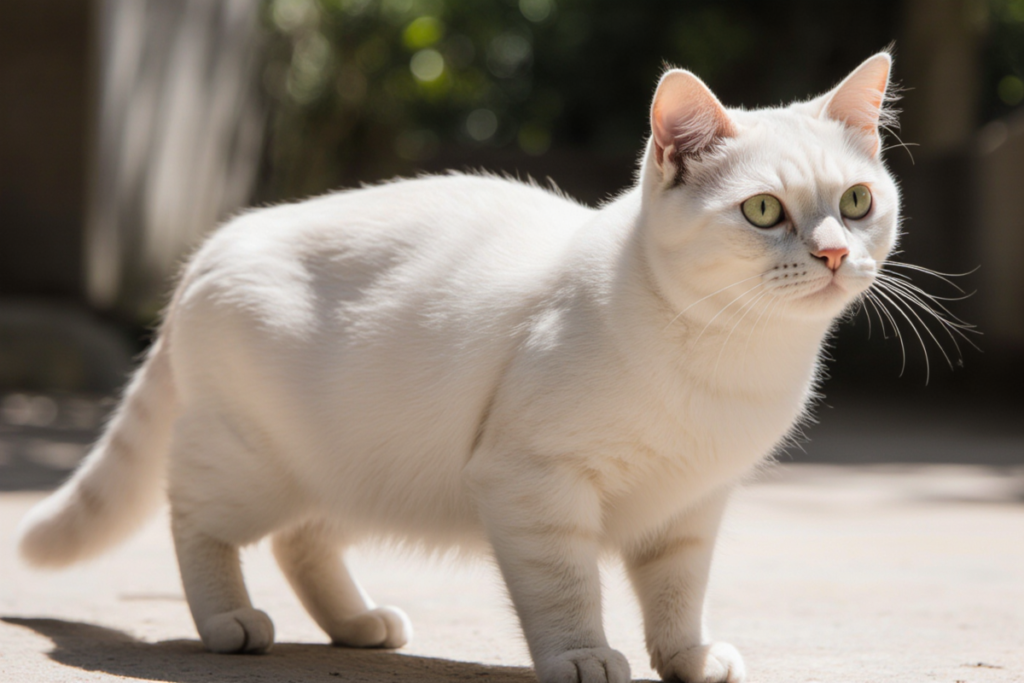
Group: Hybrid (Moderately Cobby).
Height: 10-12 inches.
Weight: 6-13 pounds.
Personality: Outgoing, Playful, Affectionate.
Energy Level: Moderate.
Coat & Color: Short, Silky; Tipped or shaded colors.
Life Span: 12-15 years.
Grooming Needs: Low (Weekly brushing).
A cross between a Burmese and a Chinchilla Persian, the Burmilla inherits a moderately cobby body from its Persian ancestry. They are a medium-sized cat with a solid, muscular build and legs that are short-to-medium, giving them a elegant yet substantial and grounded posture, accentuated by their stunning tipped or shaded coat.
Pros:
Playful, outgoing, and affectionate without being needy. They are more active than a Persian but less demanding than a Burmese. Their sparkling coat is relatively easy to care for.
Cons:
Can be prone to the same genetic conditions as their parent breeds, including polycystic kidney disease (PKD) from the Persian line. Requires regular interactive play.
Frequently Asked Questions (FAQ) About Cats with Short Legs
Q1: What are cats with short legs called?
A: The general term for these felines is short-legged cats. The original and most common breed is the Munchkin cat. Other breeds, like the Minuet or Bambino, are specific hybrid breeds developed from the Munchkin.
Q2: Are Munchkin cats healthy and do they have pain?
A: Reputable breeders work to ensure their Munchkin cats are healthy and pain-free. The breed’s short legs are caused by a natural genetic mutation, not a disease. However, due to their unique structure, it’s important to source your kitten from a breeder who screens for potential joint or spinal issues. A happy, well-bred Munchkin should be active, playful, and show no signs of discomfort.
Q3: Can cats with short legs jump or climb?
A: Absolutely! While they may not make towering leaps like other cats, they are remarkably adaptable and athletic. Cats with short legs become clever problem-solvers, using furniture as stepping stones to reach higher places. They can certainly jump onto couches, beds, and cat trees designed with lower platforms.
Q4: Are these breeds good for first-time cat owners?
A: The standard Munchkin cat can be a wonderful pet for a first-time owner due to its friendly and adaptable nature. However, some hybrids (like the Dwelf, Bambino, or Genetta) have very specialized care needs or more demanding temperaments, making them better suited for experienced pet owners.
Q5: How big do short-legged cats get?
A: In terms of body mass, they are normal-sized cats. Most short-legged cat breeds weigh between 5 to 10 pounds and have a long, muscular body. Their height at the shoulder is typically between 5 to 9 inches, which is what gives them their distinctive cat stubby legs appearance.
Q6: Do they require special veterinary care?
A: Not necessarily “special,” but it is wise to find a veterinarian familiar with the breed. During check-ups, your vet should pay extra attention to their spine, joints, and overall mobility. Keeping your cat with small legs at a healthy weight is crucial to avoid unnecessary stress on their joints.
Q7: Where can I find a responsible breeder for a short-legged kitten?
A: Always do thorough research. Look for breeders who are registered with reputable cat fancier associations (like TICA), who prioritize health testing, who raise kittens in their home, and who openly discuss potential health concerns. Avoid pet stores or online marketplaces that prioritize novelty over welfare. Be prepared to be placed on a waiting list for a healthy, well-socialized short leg kitten.
Conclusion: A World of Charm on Tiny Paws.
The world of the adorable cat with short legs is diverse and full of personality. From the classic, playful Munchkin to the curly-coated Skookum or the unique hairless Bambino, there’s a captivating companion for many types of households. Remember, owning any of these cats with short legs breed is a commitment to understanding and accommodating their specific needs while reveling in the unique joy they bring. By choosing ethical breeding, providing a loving and adapted home, and focusing on their incredible abilities, you’ll gain a loyal, entertaining, and utterly cute cat with short legs who will enrich your life in countless ways.
Important Distinction: Genetic Short Legs vs. Cobby Build.
This expanded list highlights a crucial point for anyone seeking an adorable cat with short legs:
- Munchkin and related hybrid breeds (1–8) carry achondroplasia or hypochondroplasia, genetic conditions that cause noticeably shortened leg bones. This is a specific, dominant gene.
- Cobby Breeds (Breeds 9-16): These cats have a naturally cobby body type. Their legs are shorter in proportion to their long, heavy, dense bodies, and they are bred for bone density and a low center of gravity. They do not carry the Munchkin gene. Their stature is a breed standard trait, not a mutation.
Both types offer that delightful, grounded appearance that many find irresistible. Choosing between them comes down to personal preference for the specific look (extremely short legs vs. a powerfully low build) and a thorough understanding of the health profiles and care needs associated with each distinct breed.
By considering all these breeds, you now have a truly comprehensive guide to finding the perfect, charming, low-to-the-ground feline companion that matches your lifestyle and captures your heart.