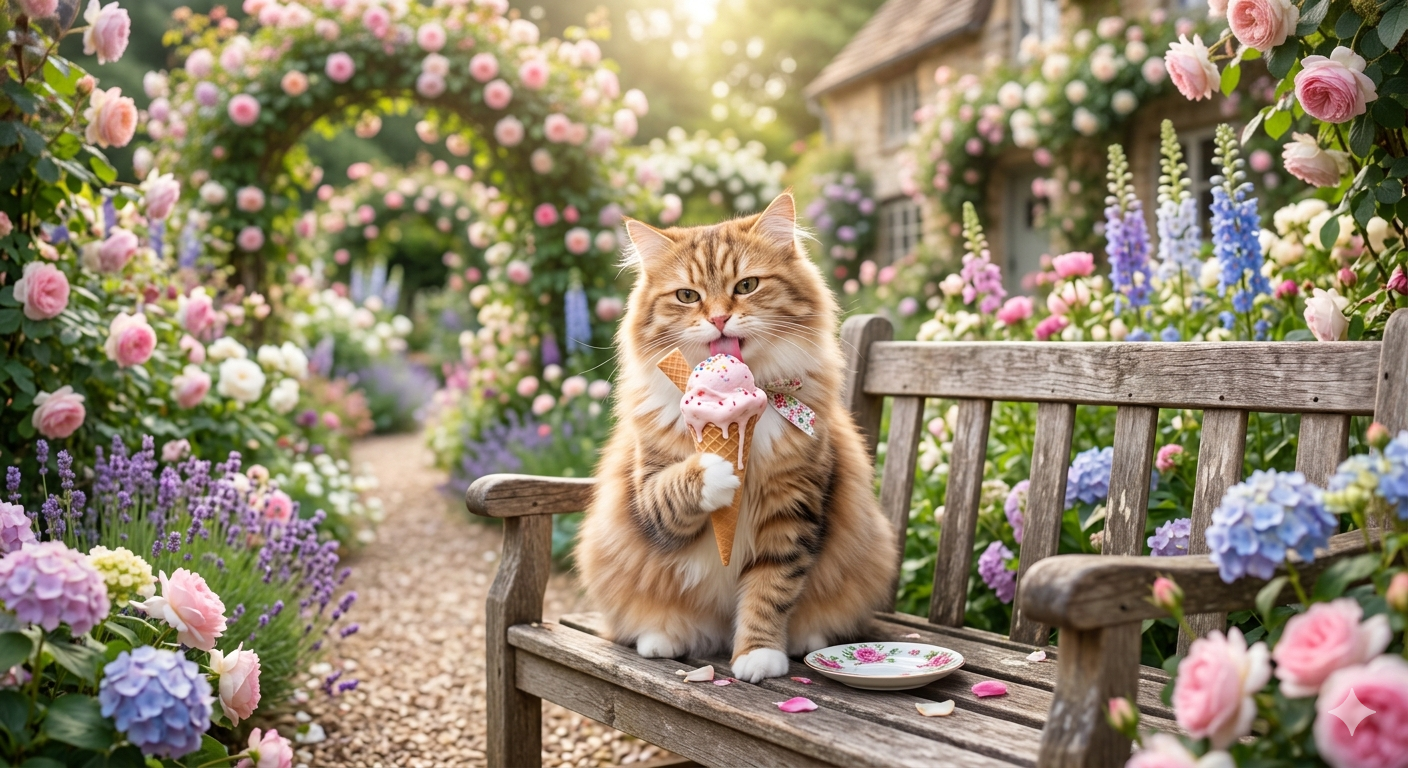
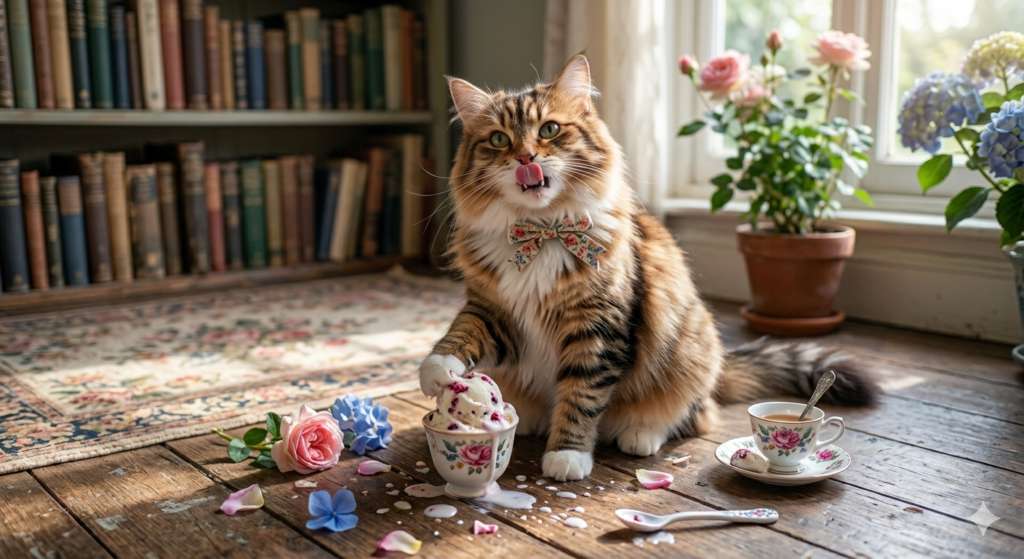
It’s a scorching summer day, and you’re enjoying a delicious, cold scoop of your favorite ice cream. Suddenly, you feel a gentle paw on your leg and look down to see your feline friend staring at you with wide, curious eyes. She meows softly, clearly asking for a taste.
It’s a classic scene for pet owners. We love to share our lives—and our snacks—with our cats. But before you give in to those adorable pleading eyes, you need to ask a critical question: can cat eat ice cream?
The short answer is no. While a tiny, accidental lick probably won’t send you rushing to the emergency vet, ice cream is not a safe or healthy treat for cats. It offers no nutritional value and contains several ingredients that can cause everything from mild digestive upset to severe toxicity.
This comprehensive guide will explain exactly why ice cream is bad for cats, break down the dangers of specific ingredients and flavors, and provide you with a list of delicious, feline-friendly frozen treats you can feel good about sharing.
Can Cats Eat Ice Cream? (Quick Answer)
No, cats should not eat ice cream.
While a small lick is not usually toxic, ice cream is not safe or healthy for cats. It can cause stomach problems, weight gain, and even serious health issues if it contains harmful ingredients.
👉 In short:
- A tiny lick = usually okay
- Regular feeding = harmful
Why Is Ice Cream Bad for Cats? The Four Main Reasons.
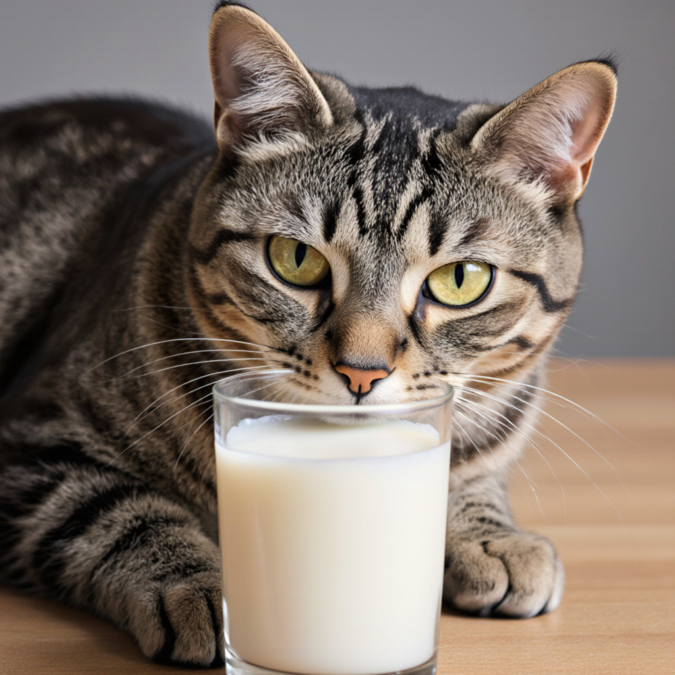
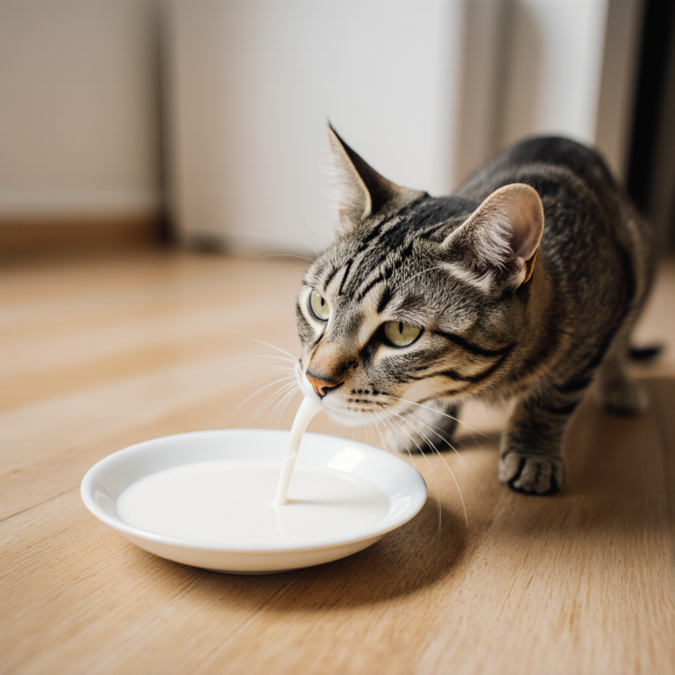
Many people mistakenly believe that because cats are often depicted loving a saucer of milk, all dairy products are safe for them. This is one of the biggest misconceptions in pet care. Here’s a closer look at why ice cream is a problem for your kitty.
1. The Lactose Intolerance Problem in Adult Cats.
The primary ingredient in ice cream is milk or cream, which contains a sugar called lactose.The body needs an enzyme called lactase to break down lactose. Kittens produce plenty of it to digest their mother’s milk. However, as cats grow and are weaned, their production of lactase decreases dramatically.
This means most adult cats are lactose intolerant. When a lactose-intolerant cat eats ice cream, the undigested lactose passes into their large intestine. There, it ferments, drawing in water and causing a range of unpleasant gastrointestinal symptoms.
| Symptom | Description |
| Diarrhea | The most common reaction. Undigested lactose pulls water into the bowel, leading to loose, watery, and urgent stools. |
| Vomiting | A cat’s body may try to expel the irritating substance shortly after it’s consumed. |
| Gas and Bloating | The fermentation of lactose in the gut produces excessive gas, leading to a visibly bloated belly and discomfort. |
| Abdominal Pain | Your cat might become lethargic, hide away, or meow in discomfort. You might notice them tensing up if you try to touch their stomach. |
2. High Sugar Content and Artificial Sweeteners.
Cats are obligate carnivores. This means their bodies are biologically designed to get all their nutrients from meat. They don’t have a biological requirement for carbohydrates or sugar. In fact, cats lack the taste receptors for sweetness, so they aren’t even truly enjoying the flavor the way you do!
Feeding your cat sugary foods like ice cream can lead to several health issues:
- Weight Gain and Obesity: Just a few licks of ice cream add unnecessary calories to your cat’s diet. Over time, this can quickly lead to obesity, which is a gateway disease for diabetes, arthritis, and heart problems.
- Diabetes: The constant influx of sugar can overwork a cat’s pancreas, potentially leading to diabetes mellitus.
- Dental Problems: Sugar contributes to tooth decay and gum disease in cats, just as it does in humans.
The Xylitol Danger:
An even greater threat than regular sugar is the artificial sweetener xylitol. Often found in “sugar-free” or “low-fat” ice creams, xylitol is extremely toxic to dogs, and while cats seem less attracted to it, it is still considered dangerous. Ingesting xylitol can cause a rapid and dangerous drop in blood sugar (hypoglycemia), leading to loss of coordination, seizures, and liver failure in pets.
3. Toxic Ingredients and Dangerous Flavors.
While plain vanilla ice cream is problematic enough, many popular flavors contain ingredients that are highly toxic to cats. You must be extremely vigilant.
- Chocolate Ice Cream: This is a double threat. Chocolate contains theobromine and caffeine, both of which are toxic to cats. These compounds can cause vomiting, diarrhea, rapid breathing, increased heart rate, tremors, and even seizures. Dark chocolate and unsweetened baking chocolate are the most harmful.
- Coffee Ice Cream: Any ice cream flavored with coffee contains caffeine. Caffeine can overstimulate a cat’s central nervous system and heart, leading to restlessness, a racing heart, and potentially cardiac arrest.
- Ice Cream with Raisins or Grapes: Grapes and raisins are highly toxic to cats and can cause sudden, irreversible kidney failure. Even a tiny amount can be fatal.
- Avoid any flavor that might contain them, like rum raisin.
- Nut-Based Ice Creams: Macadamia nuts are known to be toxic to pets, causing weakness, tremors, and vomiting. Other high-fat nuts can contribute to a painful and dangerous condition called pancreatitis, which is an inflammation of the pancreas.
4. Digestive Upset and Long-Term Health Risks.
Even if you manage to avoid the toxic ingredients listed above, the combination of fat, sugar, and dairy can wreak havoc on your cat’s digestive system. For a cat with a pre-existing condition, the risks are even higher.
- Sensitive Stomachs: Cats with a history of digestive issues will almost certainly have a negative reaction to ice cream.
- Pancreatitis: Cats prone to pancreatitis (inflammation of the pancreas) must avoid high-fat foods like ice cream, as it can trigger a painful and life-threatening flare-up.
- Diabetic Cats: For a diabetic cat, the sugar in ice cream can cause a dangerous spike in blood glucose levels, interfering with their carefully managed treatment plan.
Expert Tip from a Feline Nutritionist:
“Cats’ digestive systems are simply not equipped to handle the rich, processed ingredients in ice cream. Even a small amount can disrupt their gut microbiome. As obligate carnivores, their health is optimized by a diet of animal-based proteins. Think of treats as an extension of their diet—they should always be meat-based.” – Dr. Sarah Mitchell, DVM.
My Cat Eat Ice Cream! What Should I Do?
First, don’t panic. If your cat stole a single lick of plain vanilla ice cream from your bowl, the most likely outcome is nothing, or perhaps a brief bout of diarrhea.
However, you should take action based on what they ate and how much:
- Identify the Flavor and Amount: Try to determine exactly what and how much your cat consumed. Check the ice cream container for ingredients like chocolate, coffee, raisins, or xylitol.
- Monitor Closely: Watch your cat for 24-48 hours for any signs of distress. Symptoms can include vomiting, diarrhea, lethargy, loss of appetite, excessive thirst, or changes in behavior.
- Call Your Vet if: You see any of the symptoms listed above, especially if they are severe. If you know your cat has ingested a toxic ingredient like chocolate, raisins, or xylitol, call your veterinarian or a pet poison helpline immediately. Do not wait for symptoms to appear.
- Provide Fresh Water: Make sure your cat has access to plenty of fresh water to help stay hydrated, especially if they have diarrhea.
Healthy and Safe Frozen Treat Alternatives for Cats.
Just because your cat can’t have ice cream doesn’t mean they have to miss out on a cool, refreshing treat. There are many healthier, safer, and even more delicious options that will have them purring with delight. These alternatives cater to their carnivorous nature and are much easier on their digestive system.
Best Store-Bought Options.
- Pureed Meat Treats: Look for cat treats that come in a tube or pouch, often marketed as “lickable” or “puree” treats. These are usually made from real meat or fish and have a smooth, appealing texture. You can freeze them for an extra-cold, long-lasting snack.
- Freeze-Dried Meat Treats: These are single-ingredient treats, like freeze-dried chicken breast, shrimp, or liver. They are crunchy and full of meaty flavor. You can even rehydrate them with a little water and freeze them for a different texture.
- Cat-Safe “Ice Cream”: Some pet brands now make frozen treats specifically formulated for cats. These are usually dairy-free and made with safe, digestible ingredients. Always check the label to ensure they are designed for felines.
Simple DIY Frozen Cat Treats.
Making your own cat-safe frozen treats is incredibly easy and affordable. Here are a few simple recipes:
1. The “Meat-sicle”
- Ingredients: A small amount of your cat’s favorite wet food, or some unseasoned, cooked chicken or fish (like salmon or tuna).
- Instructions: Puree the meat with a little bit of water or sodium-free chicken broth until it’s a slushy consistency. Pour the mixture into an ice cube tray or, for smaller portions, drop small spoonfuls onto a parchment-lined baking sheet. Freeze until solid. Pop one out as a refreshing, meaty popsicle for your cat.
2. Frozen Broth Cubes
- Ingredients: Low-sodium, onion-free and garlic-free chicken or beef broth. (Onions and garlic are toxic to cats!).
- Instructions: Simply pour the broth into an ice cube tray and freeze. You can serve a cube in a bowl for your cat to lick, or crumble it into small chips as a topper for their dinner. For a fun twist, freeze a small piece of cooked meat inside each cube.
3. Tuna Juice “Paw-psicles”
- Ingredients: A small can of tuna packed in water (not oil or brine).
- Instructions: Drain the water from the tuna can into a bowl. This “tuna juice” is packed with flavor cats love. Pour the liquid into an ice cube tray. You can even flake a tiny bit of the tuna into each compartment before freezing for an extra-special treat.
| Treat Type | Key Ingredients | Why It’s Safe & Healthy |
| “Meat-sicles” | Pureed wet cat food, cooked chicken/fish | High in animal protein, low in sugar, no dairy. Mimics natural diet. |
| Frozen Broth Cubes | Sodium-free, onion/garlic-free broth | Hydrating, flavorful, and very low in calories. |
| Tuna Juice Cubes | Water from canned tuna (in water) | Intensely flavorful, low-calorie, and a great way to increase water intake. |
Frequently Asked Questions (FAQs)
1. Can cats eat a tiny bit of vanilla ice cream?
Technically, a tiny lick of plain vanilla ice cream is unlikely to be toxic. However, even a small amount can cause digestive upset in a lactose-intolerant cat. Because it offers no health benefits and carries risks, it’s best to avoid giving it to them entirely. Stick to a safe, meat-based alternative instead.
2. Why does my cat love ice cream so much?
Cats are not drawn to the sweetness of ice cream (they can’t taste sweet). They are likely attracted to the fat content and the texture. The creamy, cold, and smooth texture might be intriguing, and their natural instinct to seek out high-energy foods could draw them to the rich fat.
3. Is it safe for cats to eat ice cream if it’s lactose-free?
Lactose-free ice cream is a better option than regular ice cream, as it eliminates the primary cause of digestive issues. However, it still typically contains high amounts of sugar, fat, and artificial additives that are unhealthy for your cat. It’s still not a recommended treat. A small spoonful of plain, full-fat Greek yogurt is a better dairy option, but meat-based treats are always best.
4. Can cats eat frozen yogurt instead of ice cream?
Frozen yogurt is not necessarily a safe alternative. While it may contain less lactose than ice cream, it still contains dairy and is often loaded with just as much, if not more, sugar. Many frozen yogurts also contain live cultures, but the potential for digestive upset from the sugar and lactose remains high. It’s best to avoid it.
5. What are the signs of chocolate poisoning in cats?
Signs of chocolate poisoning usually appear within 6-12 hours of ingestion. They can include vomiting, diarrhea, restlessness, increased thirst, a rapid heart rate, muscle tremors, and seizures. If you suspect your cat has eaten any chocolate, contact your veterinarian or an emergency pet poison helpline immediately.
Conclusion: Prioritize Your Cat’s Health Over a Treat
While the image of a cat enjoying a cool bowl of ice cream might be endearing, the reality is that this popular human treat poses several health risks to your feline companion. From the almost certain digestive upset caused by lactose intolerance to the genuine dangers of toxic ingredients like chocolate, raisins, and xylitol, the potential consequences far outweigh any momentary pleasure.
As a responsible and caring pet owner, the best answer to “can cat eat ice cream?” is a firm no. But the good news is that saying no to ice cream doesn’t mean saying no to fun. By choosing one of the many healthy, meat-based, and simple DIY frozen treats, you can give your cat a delicious and safe way to cool down. You’ll be sharing a moment of joy with them while also actively protecting their health and well-being for years to come.