Vet-Approved Homemade Dog Food Recipes: A Beginner’s Guide to Cooking for Your Pup.
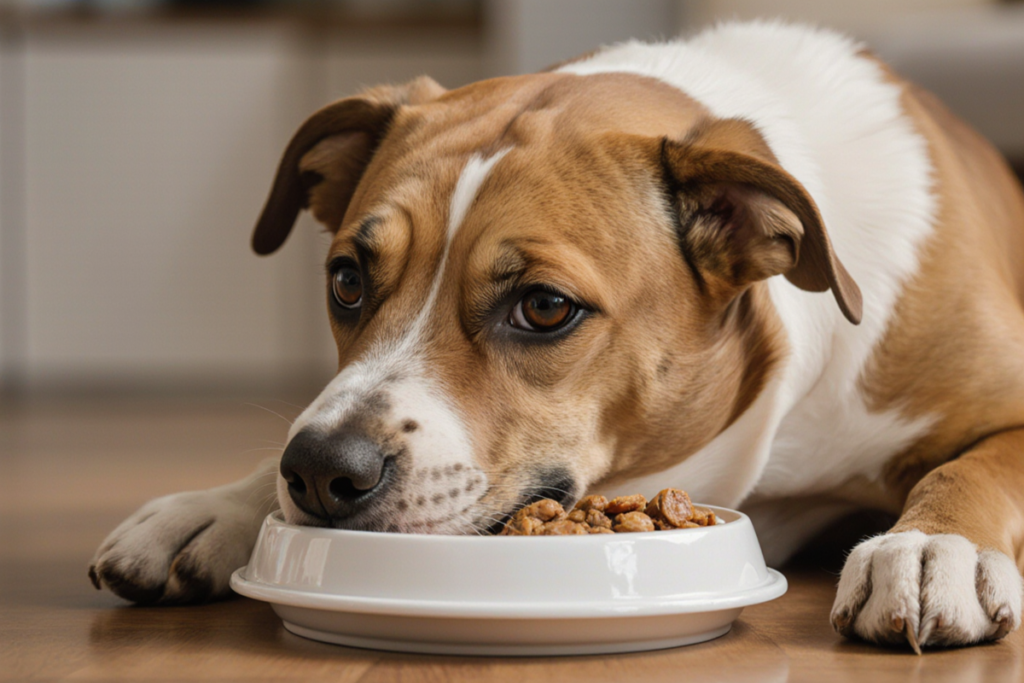
Thinking about making your own homemade dog food recipes? You’re not alone. More and more families are switching to fresh dog food recipes to know exactly what’s going into their best friend’s bowl. It can feel overwhelming at first, but with the right guidance, it’s a rewarding way to support your dog’s health. Let’s walk through how to make dog food safely, affordably, and nutritionally sound, starting with the most important step.
Why Cook for Your Dog? The Advantage and Disadvantage of a Homemade Diet.
Switching to a homemade dog food diet isn’t just a trend; it’s a choice that comes with clear benefits and real responsibilities. Here’s a balanced look.
The Benefits:
- Ingredient Control: You know every single ingredient. This is a game-changer for dogs with skin allergies, sensitivities, or specific health needs.
- No Fillers or Additives: Say goodbye to mystery preservatives, artificial colors, and cheap fillers that offer little nutritional value.
- Tailored Nutrition: You can adjust recipes for a senior dog diet, a puppy, or an active adult. Homemade food for dogs can be perfectly customized.
- Improved Palatability: Most dogs go wild for the taste and texture of freshly cooked meals.
The Drawbacks & Cautions:
- Nutritional Imbalance Risk: This is the biggest pitfall. Dogs need over 40 specific nutrients in the right ratios. An unbalanced homemade diet dog food recipe can cause serious health issues over time.
- Time and Cost: Cooking dog food at home recipes requires planning, shopping, and prep time. While cheap homemade dog food is possible, quality ingredients have a cost.
- Consultation is Key: Never start a new diet without talking to your vet or a board-certified veterinary nutritionist. They can ensure your dog food recipes are vet approved.
The Golden Rule: What Every Homemade Dog Meal Must Have.
Before you look at any homemade dog food recipe, understand that every meal should have these four components. Think of this as your homemade dog food chart for balance.
- High-Quality Protein: The foundation. This can be lean meats like chicken, turkey, beef, or fish, and organs like liver.
- Healthy Carbohydrates & Fiber: For energy and digestion. Options include brown rice, quinoa, sweet potato, pumpkin, or oats.
- Essential Fats: For skin, coat, and brain health. Sources include oils (like fish or flaxseed oil), egg yolks, and the fat in meats.
- Most homemade diets fail due to a lack of proper vitamins and minerals.
- . Dogs need calcium, phosphorus, and specific vitamins that meat and veggies alone can’t provide in the right amounts. A nutritionally complete homemade dog food recipe always includes a proper supplement.
Getting Started: Your Homemade Dog Food How-To Checklist.
Ready to make your first batch? Follow this simple checklist to set yourself up for success.
- Talk to Your Vet: Discuss your dog’s specific age, weight, breed, and health conditions. They might recommend a vet approved homemade dog food chart or refer you to a nutritionist.
- Invest in a Good Kitchen Scale: Measuring cups aren’t precise enough for nutrients. Weighing ingredients in grams is the professional way to ensure accuracy.
- Plan for Supplements: This is non-negotiable. Your vet can recommend a balanced canine supplement powder to add to your homemade dog food.
- Start Slowly: Transition over 7-10 days, mixing a little new food with the old to avoid upset stomachs.
- Batch and Freeze: Most homemade dog food recipes can be made in large batches and frozen in weekly portions.
Simple & Nutritious Homemade Dog Food Recipes.
Here are two vet approved homemade dog food recipes to get you started. Remember, these are templates. Portion sizes vary wildly by dog size, age, and activity level—your vet can help you calculate the right daily amount.
Basic Chicken and Veggie Mix (A Great Starter Recipe).
This homemade chicken dog food recipe is a classic for good reason. It’s simple, palatable, and a great introduction to cooking dog food at home.
- Protein: 1 lb boneless, skinless chicken thighs, ground or chopped
- Carbs/Fiber: 1 cup brown rice, 1 cup chopped carrots, 1/2 cup chopped spinach
- Fat: 1 tablespoon olive or canola oil
- Essential: Balanced canine vitamin/mineral supplement (as directed)
Instructions:
- Cook the brown rice according to package directions.
- In a separate pan, cook the ground chicken thoroughly until no pink remains.
- Lightly steam the carrots and spinach until soft.
- Combine all ingredients in a large bowl, add the oil, and let cool.
- Crucially, once the mix is cool, stir in the recommended amount of supplement powder. This step makes it a nutritionally complete homemade dog food recipe.
Simple Ground Turkey Dinner (Great for Sensitive Stomachs).
Ground turkey for dogs is often a lean, easily digestible protein, making this a good homemade dog food for dogs with skin allergies or sensitivities.
- Protein: 1 lb lean ground turkey
- Carbs/Fiber: 1 cup cooked quinoa, 1 cup pureed pumpkin (100% pure, not pie filling)
- Fat: 1 tablespoon flaxseed oil
- Essential: Balanced canine vitamin/mineral supplement (as directed)
Instructions:
- Cook the quinoa in water or low-sodium broth.
- Brown the ground turkey in a skillet, breaking it up finely.
- Mix the cooked turkey, quinoa, and pumpkin in a bowl. Add the flaxseed oil and let cool.
- Once cool, thoroughly mix in the supplement powder.
Special Considerations: Allergies, Seniors, and Budget.
For Dogs with Allergies: Homemade dog food for dogs with skin allergies is about eliminating triggers. Common allergens in commercial food are beef, dairy, wheat, and chicken. Your vet can help identify the culprit through an elimination diet using a novel protein (like turkey or fish) and carbohydrate source.
For Senior Dogs: A senior dog diet homemade plan might need more fiber for digestion, adjusted protein levels for kidney health, and supplements like glucosamine for joints. Always tailor to your older dog’s specific vet-approved needs.
Keeping it Affordable: Cheap homemade dog food is about smart sourcing. Buy protein in bulk on sale and freeze it, use seasonal vegetables, and choose cost-effective carbs like rice or oats. The investment in a supplement is fixed and vital, but the rest can be budget-friendly.
Homemade vs. Commercial: A Quick Comparison.
| Feature | High-Quality Commercial Kibble | Homemade Dog Food |
| Convenience | Very high; just pour and serve. | Lower; requires shopping, cooking, and storage. |
| Nutritional Balance | Reliable if from a reputable brand meeting AAFCO standards. | Your responsibility. Must be carefully formulated and supplemented. |
| Ingredient Control | Limited; you trust the manufacturer’s label. | Complete. You select every single item. |
| Cost Over Time | Predictable, monthly expense. | Can vary; initial supplement cost is high, but bulk food buying can save. |
| Customization | Minimal. | Total. Perfect for allergies, picky eaters, or health conditions. |
Your Homemade Dog Food FAQ
Can I just feed my dog chicken and rice every day?
No. While great for short-term upset stomachs, chicken and rice alone is not nutritionally complete for long-term feeding. It lacks essential vitamins, minerals, and fatty acids.
How much does it cost to make homemade dog food?
It varies widely. A homemade dog food cheap approach using bulk buys might rival mid-range kibble. Using premium organic ingredients will cost more. The supplement is an additional, necessary cost.
Are there any foods I should never give my dog?
Yes. Always avoid: onions, garlic, grapes, raisins, chocolate, xylitol (an artificial sweetener), macadamia nuts, and cooked bones.
How do I store homemade dog food?
Portion it into airtight containers. Keep 3-4 days’ worth in the fridge and freeze the rest. Thaw portions in the fridge as needed.
Where can I find a vet-approved homemade dog food chart?
Your veterinarian or a veterinary nutritionist is the best source. They can provide or create a vet approved homemade dog food chart tailored to your dog, which is far safer than a generic one found online.
Making the switch to homemade meals is one of the most caring things you can do for your dog, but it’s a commitment to doing it right. Start with that conversation with your vet, arm yourself with a good recipe and the right supplement, and take it one batch at a time. Watching your dog thrive on the healthy, fresh meals you prepare makes the effort worthwhile.