Best Birds for Beginners: A Friendly Guide to Your First Feathered Companion.
Choosing your first pet bird is exciting—and a little overwhelming too. With so many beautiful species out there, finding the best birds for beginners is all about choosing one that’s friendly, easy to care for, and fits your lifestyle.
This guide will walk you through five beginner-friendly birds that are perfect for first-time owners and help you start your bird-keeping journey with confidence.
Why Picking the Right Beginner Bird Is So Important?
Bringing a bird home isn’t a short-term decision. Many pet birds live 10 years or more, and some can even be lifelong companions. Starting with a bird that’s hardy, social, and forgiving of small beginner mistakes makes everything easier.
The right choice means:
- Less stress for you
- Better health and happiness for your bird
- A stronger bond from day one
What Makes a Bird Beginner-Friendly?
When looking for the best pet bird for beginners, keep these qualities in mind:
- Hardy nature – Can handle small care mistakes.
- Friendly personality – Enjoys human interaction.
- Moderate noise level – Suitable for homes and apartments.
- Easy care – Simple diet and manageable cage size.
- Affordable – Reasonable setup and ongoing costs.
Top 5 Best Pet Birds for Beginners
Here are five excellent starter birds, each with its own personality and charm.
1. Budgerigar (Budgie / Parakeet)
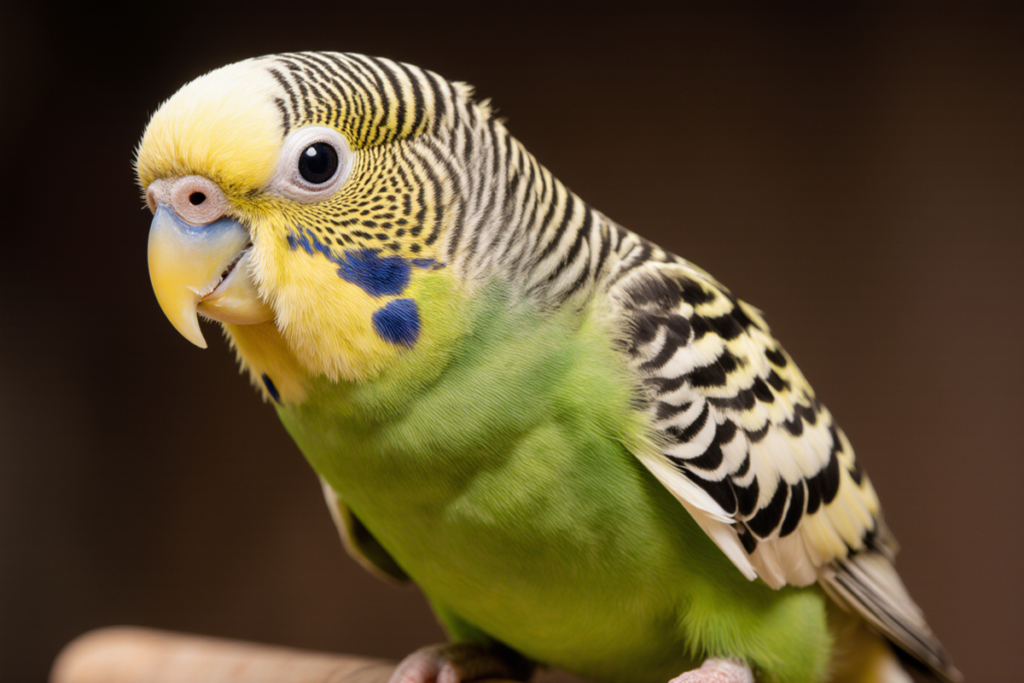
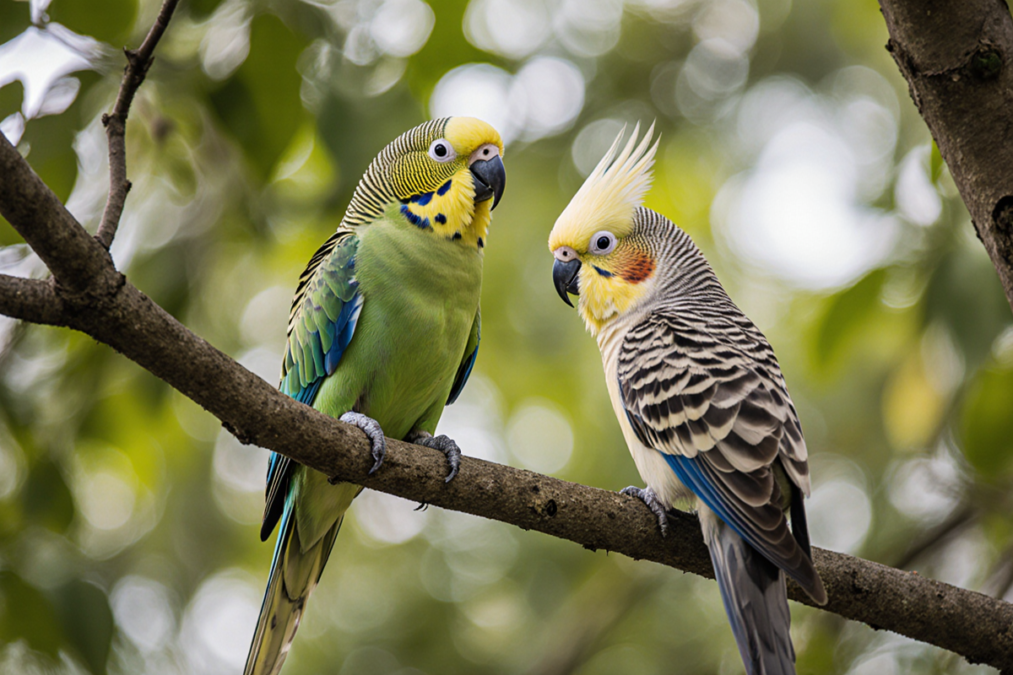
Budgies are one of the most popular beginner birds worldwide, and for good reason. Small in size but big in personality, they’re lively, smart, and affectionate.
- Size: 6–8 inches
- Lifespan: 7–15 years
- Noise Level: Low to moderate (pleasant chirping)
- Talking Ability: Excellent for their size
Why beginners love them:
- Budget-friendly and easy to care for
- Highly social and playful
- Can learn words, tricks, and songs
- Small cage requirements
Things to consider:
- Fragile due to small size
- Need a balanced diet, not just seeds
- Often happier with a companion
2. Cockatiel
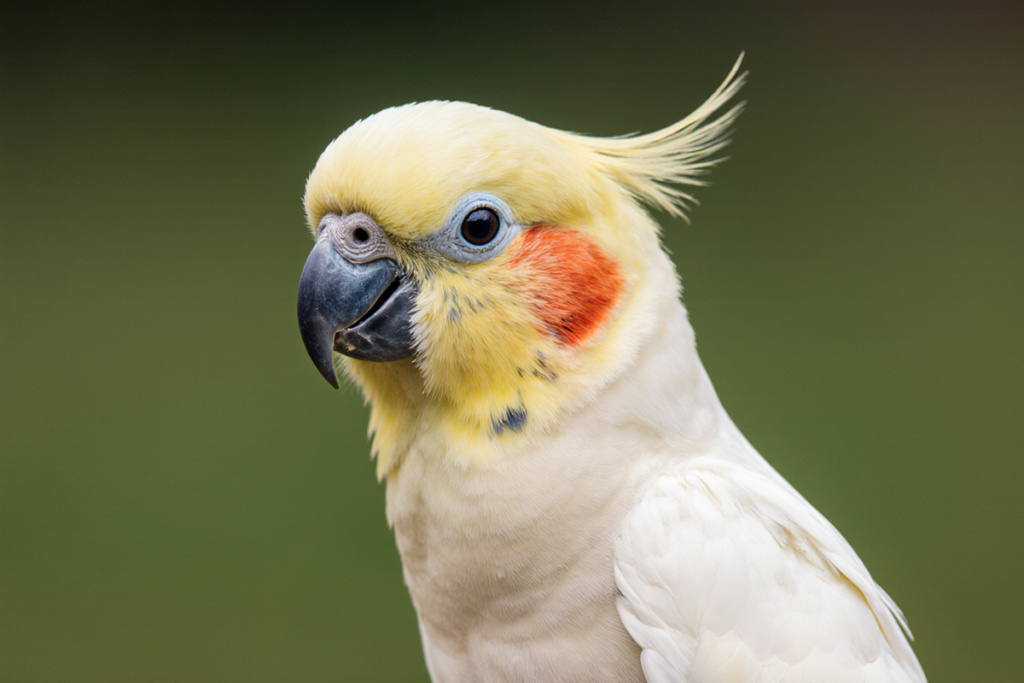
Cockatiels are gentle, affectionate, and incredibly charming. Their expressive crest makes it easy to understand their mood, which beginners love.
- Size: 12–13 inches
- Lifespan: 15–25 years
- Noise Level: Moderate (soft whistles)
- Talking Ability: Limited, but great whistlers
Why beginners love them:
- Very loving and enjoy head scratches
- Calm nature compared to larger parrots
- Not overly loud
- Easy to bond with
Things to consider:
- Produce feather dust (not ideal for allergy sufferers)
- Can become overly attached if ignored
- Need a wider cage for their long tail
3. Finch (Zebra or Society Finch)
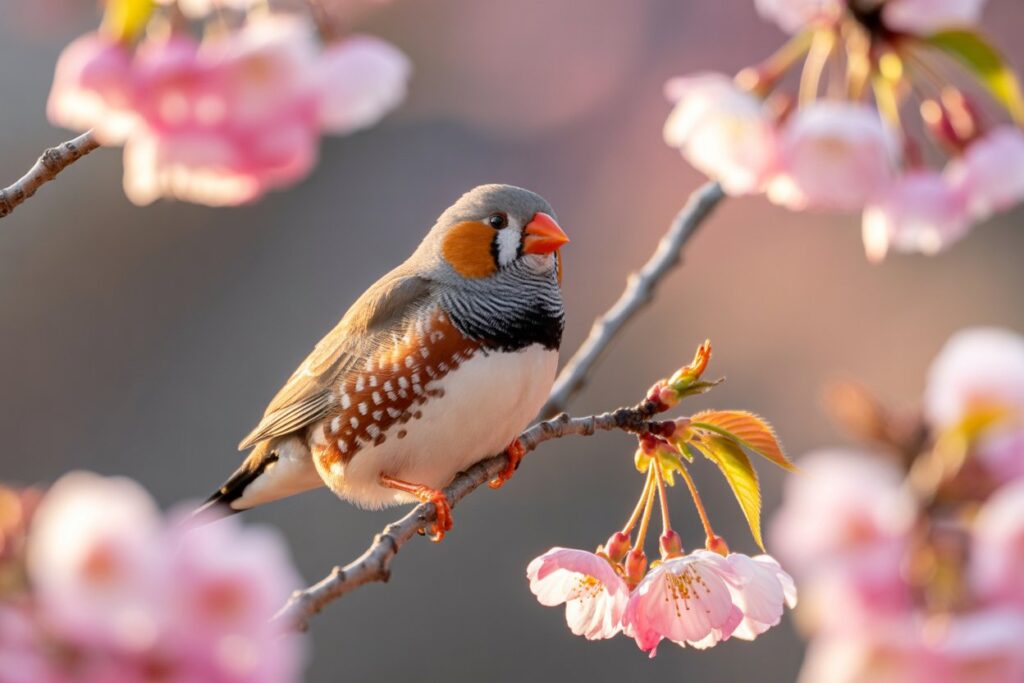
If you enjoy watching birds more than handling them, finches are an excellent choice. They’re active, social, and beautiful to observe.
- Size: 4–5 inches
- Lifespan: 5–10 years
- Noise Level: Very low
- Talking Ability: None
Why beginners love them:
- Very low maintenance
- Don’t require handling
- Fun to watch in pairs or small groups
- Perfect for busy owners
Things to consider:
- Not tame or cuddly
- Need a long flight cage
- Can breed quickly if kept in mixed pairs
4. Lovebird
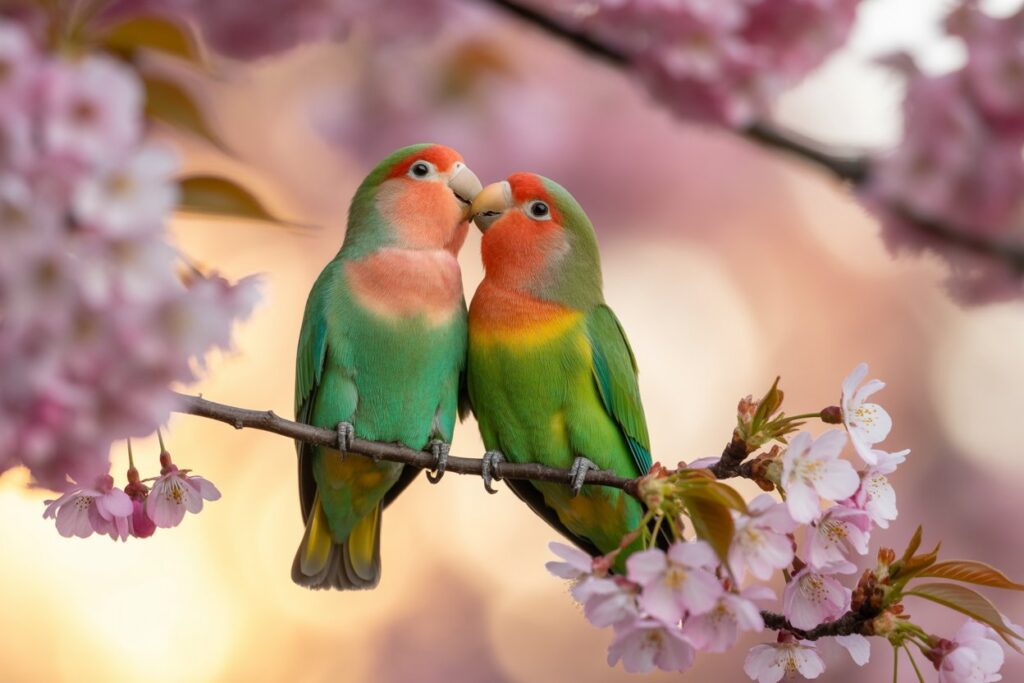
Lovebirds are playful, bold, and full of energy. Despite their name, they can bond deeply with humans when properly socialized.
- Size: 5–7 inches
- Lifespan: 15–20 years
- Noise Level: Moderate to high
- Talking Ability: Limited
Why beginners love them:
- Fun, energetic personalities
- Stunning bright colors
- Strong emotional bonds
- Enjoy toys and mental challenges
Things to consider:
- Can be nippy if not trained
- Need daily attention
- Their sharp chirps may be loud for some
5. Parrotlet
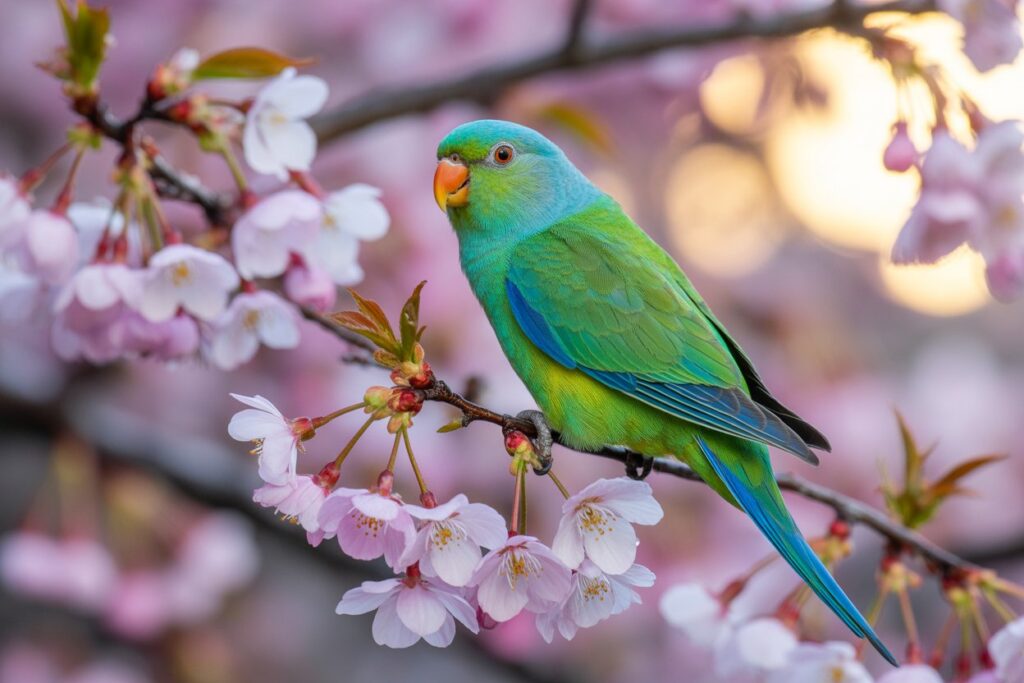
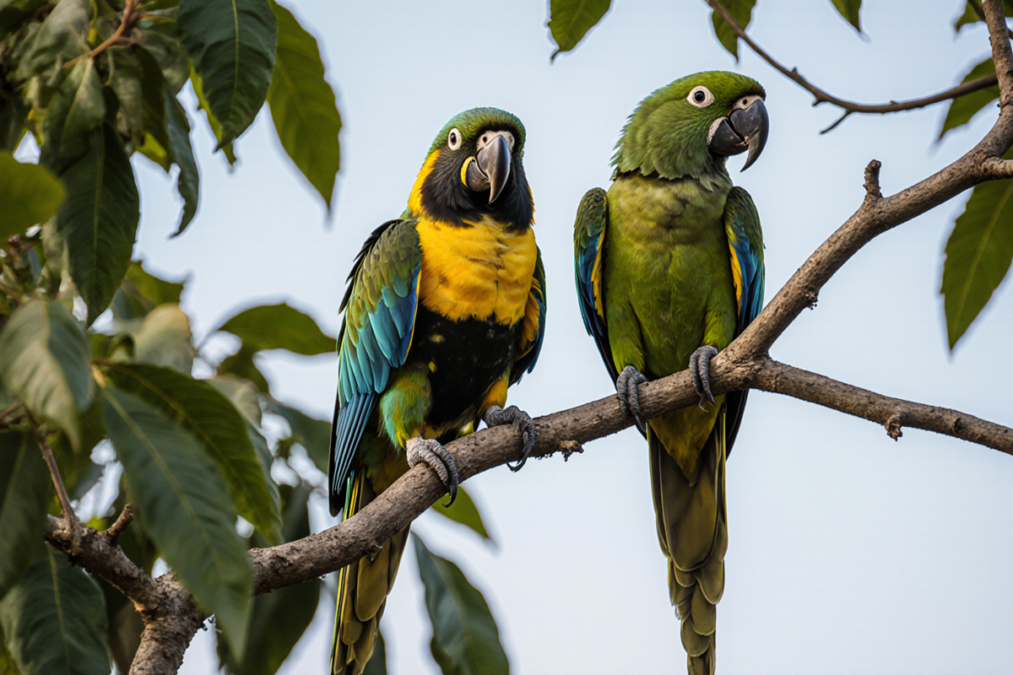
Often called a “pocket parrot,” Parrotlets are tiny birds with big confidence. They’re perfect for beginners who want a quiet but interactive companion.
- Size: 4–5 inches
- Lifespan: 15–20 years
- Noise Level: Low
- Talking Ability: Fair (varies by bird)
Why beginners love them:
- Quiet and apartment-friendly
- Very intelligent and loyal
- Less messy than larger parrots
- Strong bond with owners
Things to consider:
- Can be aggressive toward other birds
- Need confident handling
- Must be supervised outside the cage
Essential Supplies for Your First Bird
Before bringing your bird home, make sure you’re prepared.
Basic bird supplies include:
- A spacious cage with safe bar spacing
- Natural wood perches
- High-quality pellets + fresh vegetables
- Toys for mental stimulation
- Food and water bowls
- A basic bird first-aid kit
Daily Care: Keeping Your Bird Happy
Caring for a pet bird is simple but consistent.
- Fresh food and water every day
- Spot-clean the cage daily
- Weekly deep cleaning
- Daily interaction and supervised playtime
Birds are social animals—your time and attention are just as important as food.
Socialization & Training Tips for Beginners
- Start slow and stay patient
- Use treats for positive reinforcement
- Never force interaction
- Keep training sessions short and fun
- Be consistent every day
Frequently Asked Questions (FAQs)
Which bird is the easiest to care for?
Finches are the easiest because they don’t need handling and thrive in pairs.
Best bird for kids?
Budgies and Cockatiels are great choices with adult supervision.
Can beginner birds talk?
Yes! Budgies are excellent talkers. Cockatiels whistle beautifully.
How much time do birds need daily?
At least 1–2 hours of interaction outside the cage.
Are birds expensive pets?
Initial setup can be costly, but ongoing care is manageable with proper planning.
Final Thoughts: Find the Bird That Fits You
Choosing from the best birds for beginners is the start of a beautiful journey. Whether you prefer a talkative Budgie, a cuddly Cockatiel, or a low-maintenance Finch, there’s a perfect feathered friend waiting for you.
Do your research, prepare your home, and most importantly—be ready to give love and time. Your reward will be a loyal, intelligent companion for years to come 🐦💚