For those who love felines but suffer from allergies, the search for hypoallergenic cat breeds can lead to wonderful companionship. While no cat is 100% allergen-free, several allergy-friendly cats produce lower levels of the Fel d 1 protein, the primary culprit behind reactions. This 2026 guide highlights breeds like the elegant Siberian, the hairless Sphynx, and the devoted Balinese, offering updated insights for finding a sneeze-free feline friend. With careful selection and proper home management, sharing your home with one of these special cats can be a breath of fresh air.
Many cat lovers struggle with allergies—you’re definitely not the only one.. Millions experience the heartbreak of wanting a feline companion but facing sneezing, itchy eyes, or worse. Here’s the good news: hypoallergenic cat breeds offer a real solution. While no cat is 100% allergen-free, certain breeds produce significantly less of the Fel d 1 protein—the primary cause of cat allergies—or have coats that trap allergens instead of spreading them. This comprehensive 2024 guide explores over 15 of the best hypoallergenic cat breeds, from the famous Siberian to lesser-known gems, helping you find your perfect sniffle-free companion.
1.The Maine Coon
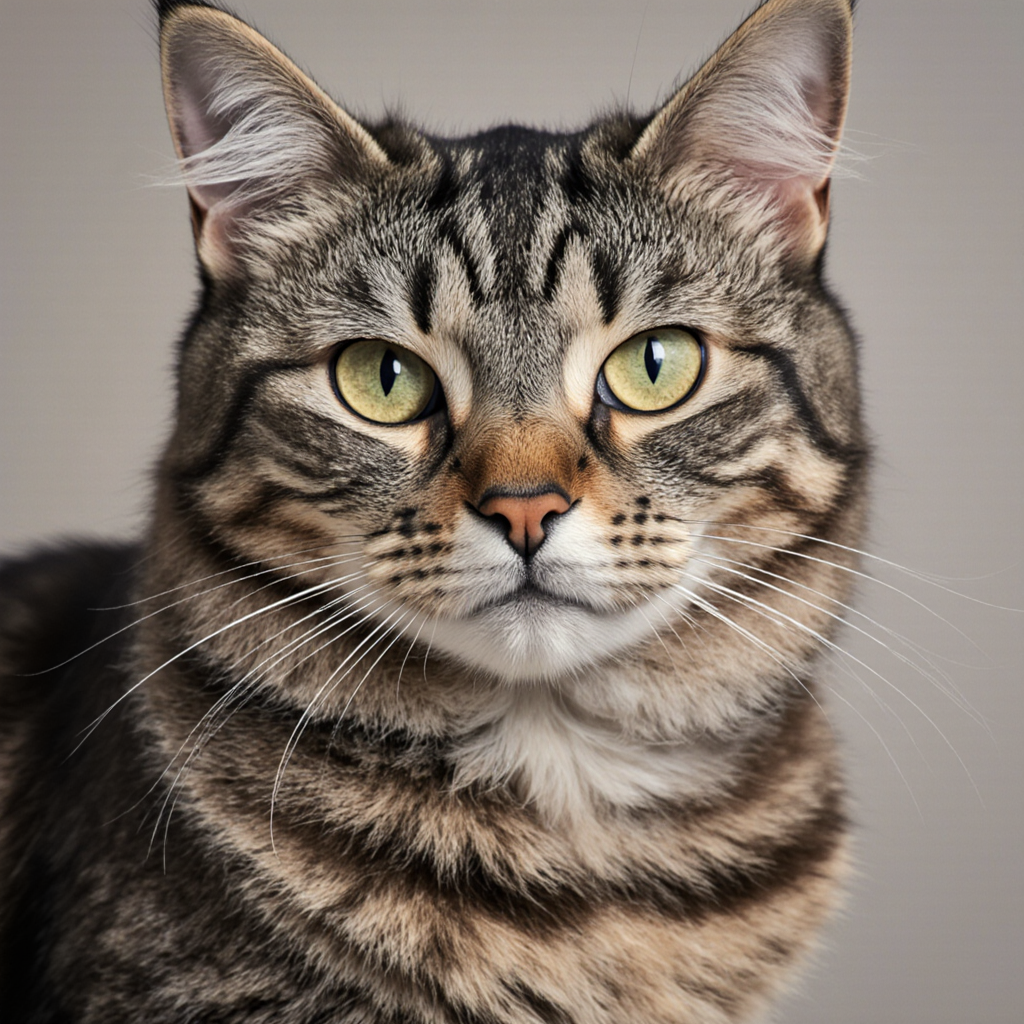
Group: Longhair (Natural Breed)
Height: 10 to 16 inches at the shoulder.
Weight: 12 to 25 pounds (males can be larger).
Personality: Gentle, friendly, and dog-like. Known as the “gentle giant” for its sweet nature and intelligence.
Shedding Level: High. They have a long, shaggy, water-resistant coat with a dense undercoat that sheds seasonally (heavily in spring/fall).
Coat & Color: Long, uneven coat; comes in a vast array of colors and patterns except for pointed patterns like the Siamese.
Life Span: 12 to 15 years.
Grooming Needs: High. Requires brushing 2-3 times per week to prevent severe mats and tangles, and daily during heavy shedding seasons.
Their substantial shedding spreads dander (skin flakes coated in the Fel d 1 allergen) throughout the home. For individuals with moderate to severe cat allergies, a Maine Coon is typically not a suitable choice. This directly answers the common searches: “are Maine Coon cats hypoallergenic?” and “are Maine Coons hypoallergenic?“ with a clear and evidence-based “no.”
pros:
Incredibly gentle and patient, excellent with families and other pets, intelligent and often trainable, playful but not hyper.
Cons:
Not hypoallergenic and sheds heavily, requires dedicated and frequent grooming, very large and needs ample space, can be prone to certain genetic health conditions.
2. Siberian: The Forest-Born Gentle Giant.
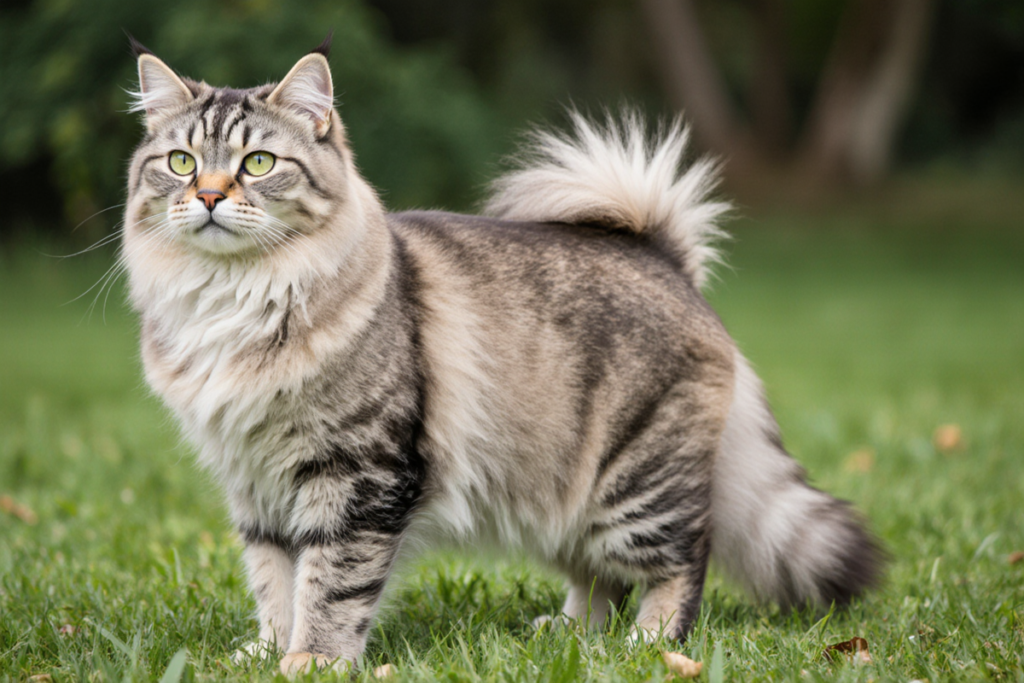
Group: Natural / Longhair
Height: 9 to 11 inches at the shoulder.
Weight: 10 to 20 pounds.
Personality: Gentle, loyal, and playful. Known for their dog-like devotion and calm, affectionate nature.
Shedding Level: Moderate.
Coat & Color: Long, triple-layer coat designed for harsh climates. Comes in all colors and patterns.
Life Span: 12 to 15 years.
Grooming Needs: High. Requires brushing 2-3 times per week to prevent mats.
Originating from Russia’s cold forests, this large, muscular cat has a luxurious triple coat that defies expectations. Despite their fluffy appearance, Siberian cats are hypoallergenic for many people due to naturally lower Fel d 1 production.
Pros:
Exceptionally gentle with children, dog-like loyalty, playful yet calm demeanor, quiet voice.
Cons:
Requires significant grooming (brushing 3+ times weekly), needs ample space, can be heavy (up to 20 lbs).
3. Russian Blue: The Emerald-Eyed Aristocrat
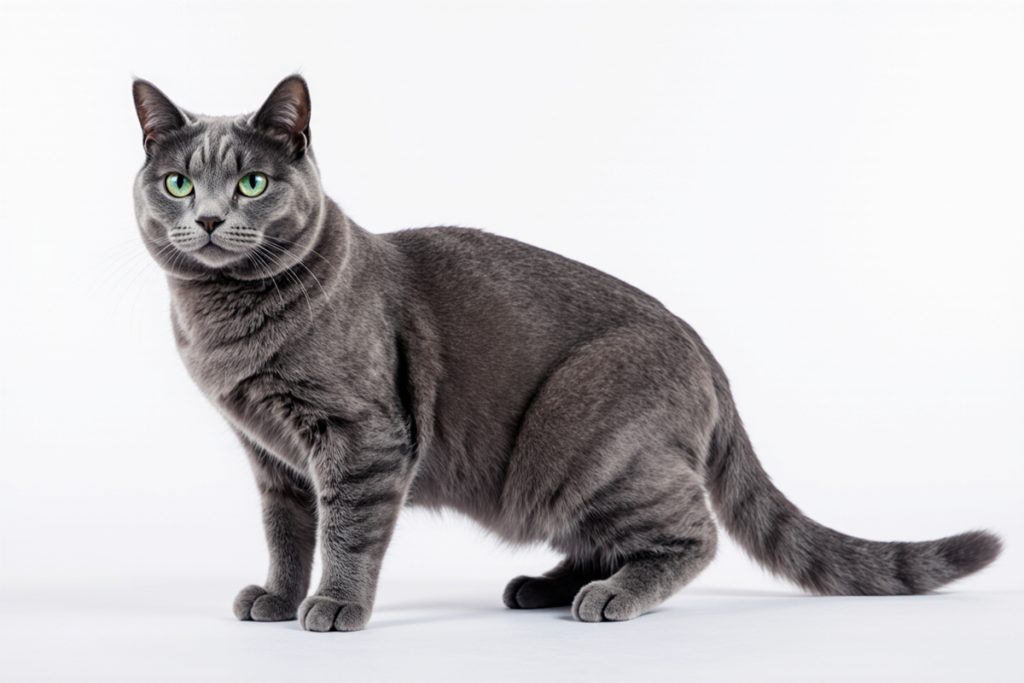
Group: Shorthair
Height: 9 to 11 inches at the shoulder.
Weight: 7 to 12 pounds.
Personality: Reserved, gentle, and intelligent. Deeply loyal to family but often shy with strangers.
Shedding Level: Low.
Coat & Color: Short, dense double coat with a plush, silvery-blue color and shimmering silver tips.
Life Span: 15 to 20 years.
Grooming Needs: Low. Weekly brushing is sufficient to remove loose hairs.
With striking green eyes and a shimmering blue-gray coat, the Russian Blue is elegance personified. Their dense double coat sheds minimally, and they’re consistently ranked among the best cats for allergies.
Pros:
Extremely clean and quiet, deeply loyal to family, intelligent and observant, low-maintenance coat.
Cons:
Shy with strangers, sensitive to routine changes, not overly demonstrative with affection.
4. Balinese: The Vocal Long-Haired Beauty.
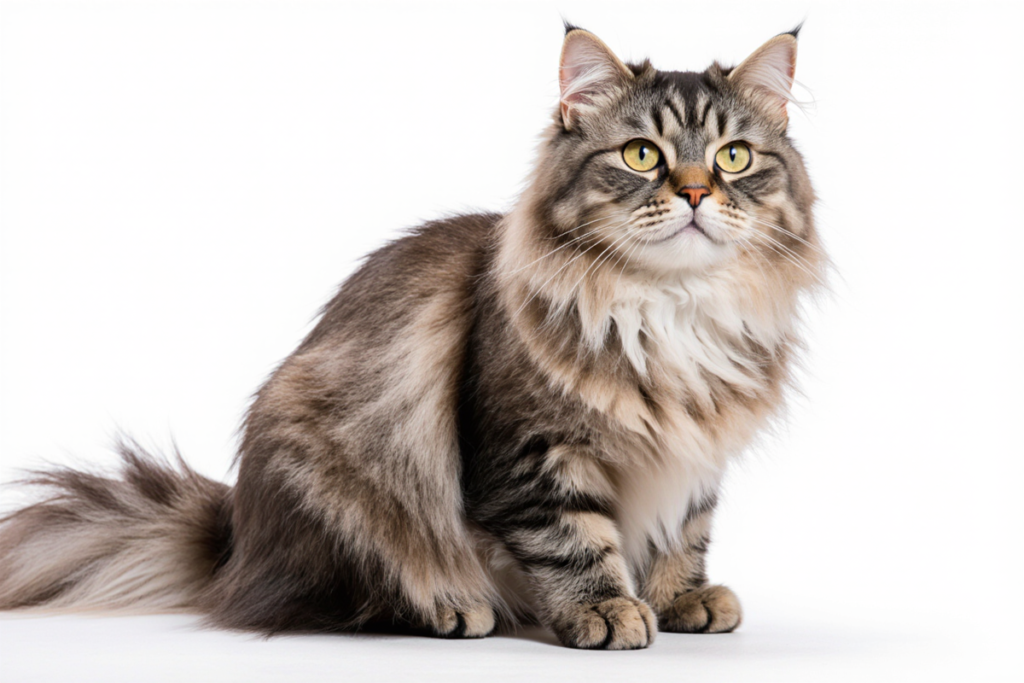
Group: Longhair (Siamese-type)
Height: 8 to 10 inches at the shoulder.
Weight: 5 to 10 pounds.
Personality: Vocal, social, and intensely affectionate. Forms a powerful bond with their chosen person.
Shedding Level: Low.
Coat & Color: Long, silky single coat. Comes in traditional pointed patterns (seal, blue, chocolate, lilac).
Life Span: 15 to 20 years.
Grooming Needs: Moderate. Brushing 2 times per week to maintain silkiness and prevent tangles.
Essentially a long-haired Siamese, the Balinese has a silky single coat that lacks an undercoat. This means less shedding and fewer allergens circulating in your home.
Pros:
Highly social and affectionate, intelligent and trainable, forms strong bonds, minimal matting.
Cons:
Very vocal and demanding, prone to separation anxiety, needs constant mental stimulation.
5. Oriental Shorthair: The Colorful Conversationalist.
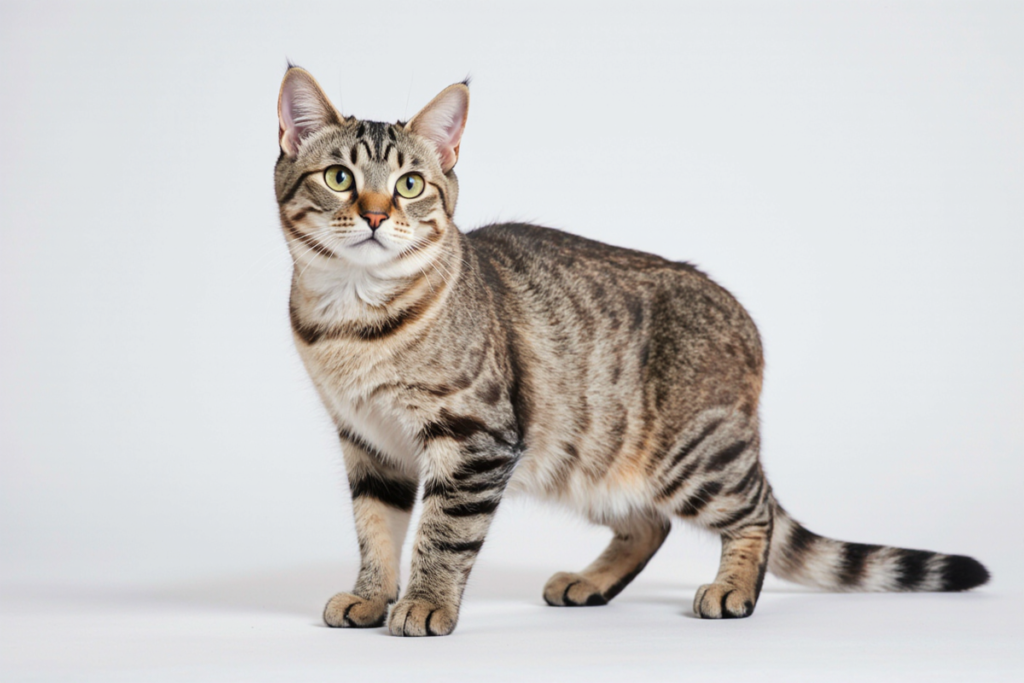
Group: Shorthair
Height: 9 to 11 inches at the shoulder.
Weight: 5 to 10 pounds.
Personality: Social, vocal, and playful. An extroverted cat that loves to be the center of attention.
Shedding Level: Low.
Coat & Color: Short, fine, and glossy coat. Comes in over 300 color and pattern combinations.
Life Span: 12 to 15 years.
Grooming Needs: Low. A quick weekly brush or wipe with a damp cloth is enough.
With over 300 color combinations and the sleek body of a Siamese, Orientals have short, fine coats that lie close to the skin. They shed very little and are considered excellent hypoallergenic cats.
Pros:
Extremely social and people-oriented, playful and athletic, comes in endless colors/patterns.
Cons:
Can be overly demanding and vocal, needs lots of attention, not for quiet households.
6. Javanese: The Silky-Tailed Athlete.
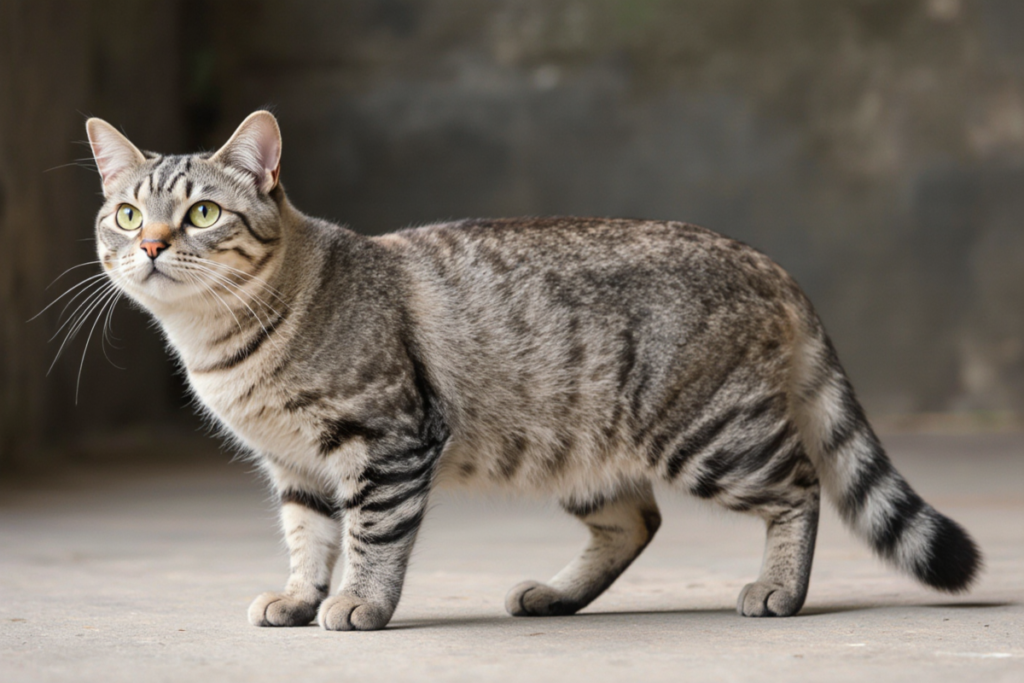
Group: Longhair (Balinese-type)
Height: 8 to 10 inches at the shoulder.
Weight: 5 to 10 pounds.
Personality: Athletic and affectionate. Combines intelligence with a playful, people-oriented spirit.
Shedding Level: Low.
Coat & Color: Long, silky coat without an undercoat. Comes in a wider variety of colors than the Balinese, including tortie and lynx points.
Life Span: 15 to 20 years.
Grooming Needs: Moderate. Requires brushing 2 times per week.
Often confused with Balinese, Javanese cats have a single, silky coat but come in non-pointed colors too. They’re essentially a color-expansion of the Balinese with the same hypoallergenic qualities.
Pros:
Agile and athletic, affectionate and social, less vocal than Balinese, intelligent.
Cons:
Needs regular grooming despite low shedding, can be mischievous, requires engagement.
7. Devon Rex: The Pixie-Eared Cuddler.
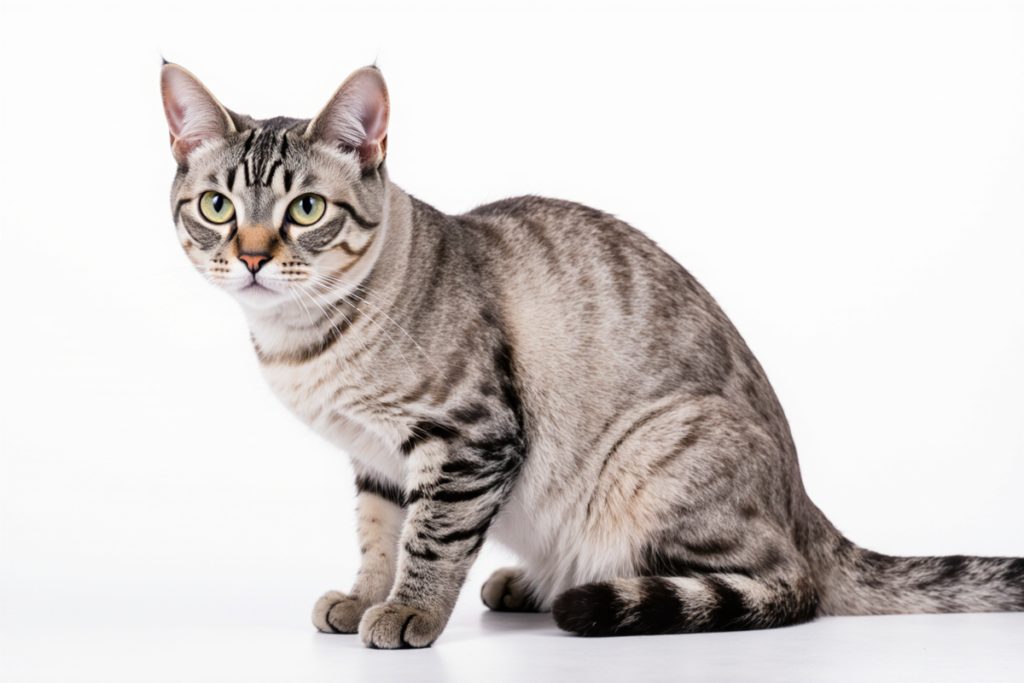
Group: Rex / Shorthair
Height: 10 to 12 inches at the shoulder.
Weight: 5 to 10 pounds.
Personality: Playful, affectionate, and mischievous. Known as the “pixie cat” for its elfin face and clownish behavior.
Shedding Level: Very Low.
Coat & Color: Short, soft, wavy or curly coat. Comes in all colors and patterns.
Life Span: 9 to 15 years.
Grooming Needs: Low. Requires occasional gentle wiping rather than brushing; prone to oily skin.
With enormous ears, wavy coat, and an elf-like face, Devon Rex cats are true characters. Their coat is short, curly, and sheds minimally, making them one of the cutest hypoallergenic cats.
Pros:
Extremely affectionate and people-oriented, playful and clownish, low grooming needs.
Cons:
Prone to oily skin needs occasional bathing, sensitive to cold, can be overly mischievous.
8. Cornish Rex: The Velvety Speedster.
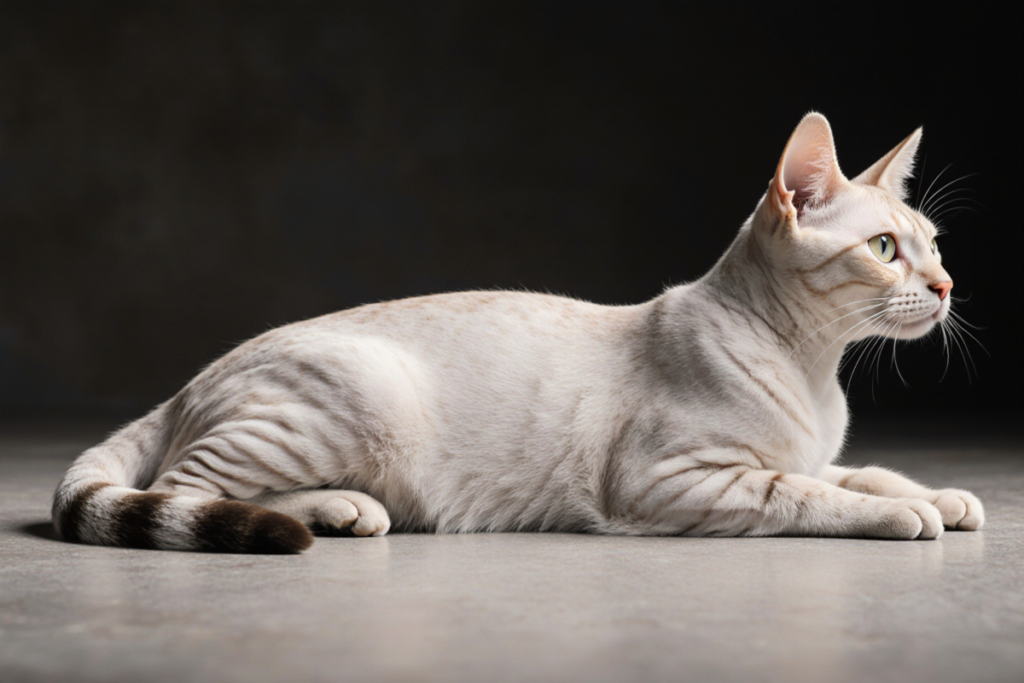
Group: Rex / Shorthair
Height: 8 to 12 inches at the shoulder.
Weight: 6 to 10 pounds.
Personality: Energetic, loyal, and highly active. Loves to run, jump, and cuddle for warmth.
Shedding Level: Very Low.
Coat & Color: Short, tight, marcel-wave coat that feels like warm suede. Comes in all colors and patterns.
Life Span: 11 to 15 years.
Grooming Needs: Low. Needs protection from cold and occasional gentle grooming; avoid frequent brushing.
Featuring a tight, marcel-wave coat with no guard hairs, Cornish Rex cats feel like warm suede. Their unique coat structure means almost no shedding.
Pros:
Exceptionally playful and energetic, loves to cuddle for warmth, very intelligent.
Cons:
High energy needs lots of play, gets cold easily, requires high-quality food.
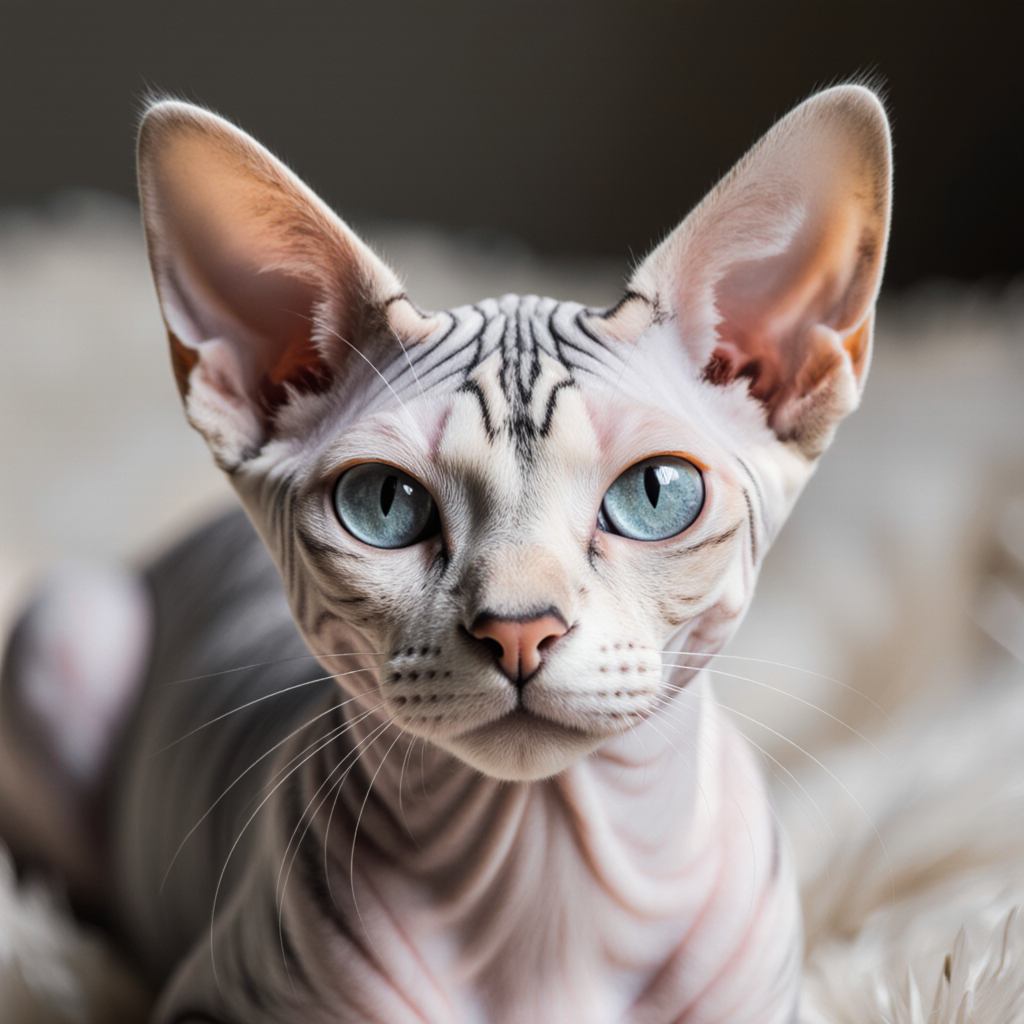
9. Sphynx: The Hairless Heart-Thief.
Group: Hairless
Height: 8 to 10 inches at the shoulder.
Weight: 6 to 12 pounds.
Personality: Affectionate, social, and energetic. Seeks constant warmth and human contact, often described as “dog-like.”
Shedding Level: None.
Coat & Color: Hairless, with skin that can have a peach-fuzz texture. Skin comes in all patterns and colors.
Life Span: 8 to 14 years.
Grooming Needs: High. Requires weekly bathing to remove oily secretions and regular ear cleaning.
The most famous hairless breed, Sphynx cats aren’t truly allergen-free but lack fur to trap and spread dander.Regular bathing is necessary to reduce the buildup of skin oils.
Pros:
Extremely affectionate and social, feels like warm suede, leaves no fur on furniture.
Cons:
Needs weekly bathing, vulnerable to sunburn and cold, requires special skincare.
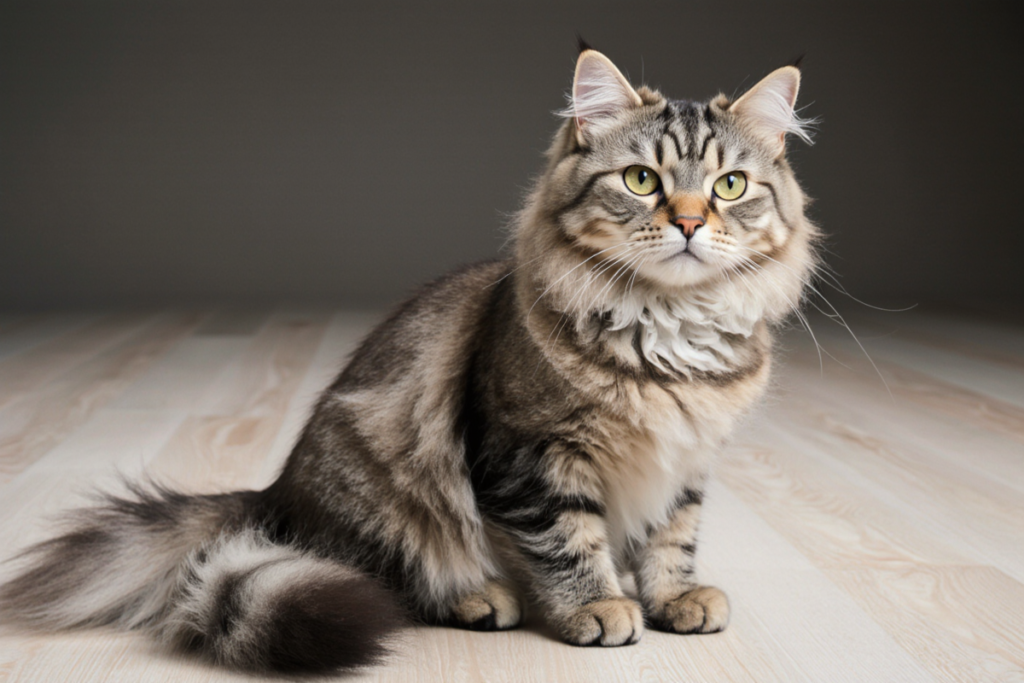
10. LaPerm: The Curly-Coated Charmer.
Group: Rex / Longhair & Shorthair
Height: 8 to 10 inches at the shoulder.
Weight: 6 to 10 pounds.
Personality: Gentle, affectionate, and curious. Known for their friendly and people-oriented nature.
Shedding Level: Low.
Coat & Color: Unique curly coat that can be short or long; curls range from loose ringlets to tight corkscrews.
Life Span: 10 to 15 years.
Grooming Needs: Moderate. Curls need occasional separation by hand; avoid over-brushing to prevent frizz.
With a unique curly coat that can be short or long, LaPerms shed very little and produce fewer allergens. Their coat is soft and springy to the touch.
Pros:
Gentle and affectionate, moderate energy level, unique curly appearance.
Cons:
Can be shy initially, curls need occasional separation to prevent matting.
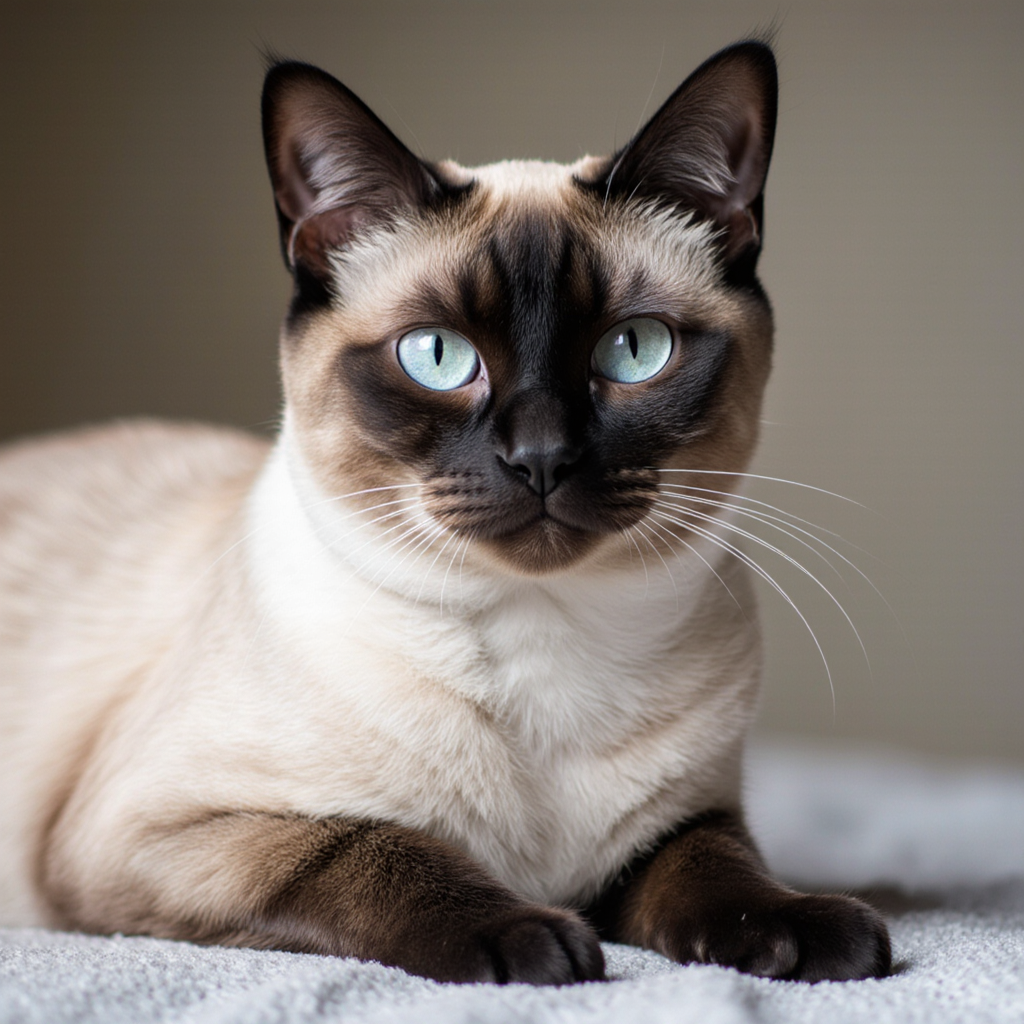
11. Siamese: The Classic Talkative Companion.
Group: Shorthair
Height: 8 to 10 inches at the shoulder.
Weight: 6 to 12 pounds.
Personality: Vocal, intelligent, and demanding. Forms a deep, conversational bond with their owner.
Shedding Level: Low.
Coat & Color: Short, fine, and glossy coat. Traditional color points (seal, chocolate, blue, lilac) on a pale body.
Life Span: 15 to 20 years.
Grooming Needs: Low. Minimal grooming required; a weekly brush will keep the coat sleek.
Traditional Siamese have very short, fine coats that shed minimally. While not as hypoallergenic as some breeds, many allergy sufferers tolerate them well.
Pros:
Highly intelligent and social, famously vocal and communicative, forms strong bonds.
Cons:
Can be demanding and loud, prone to separation anxiety, needs constant interaction.
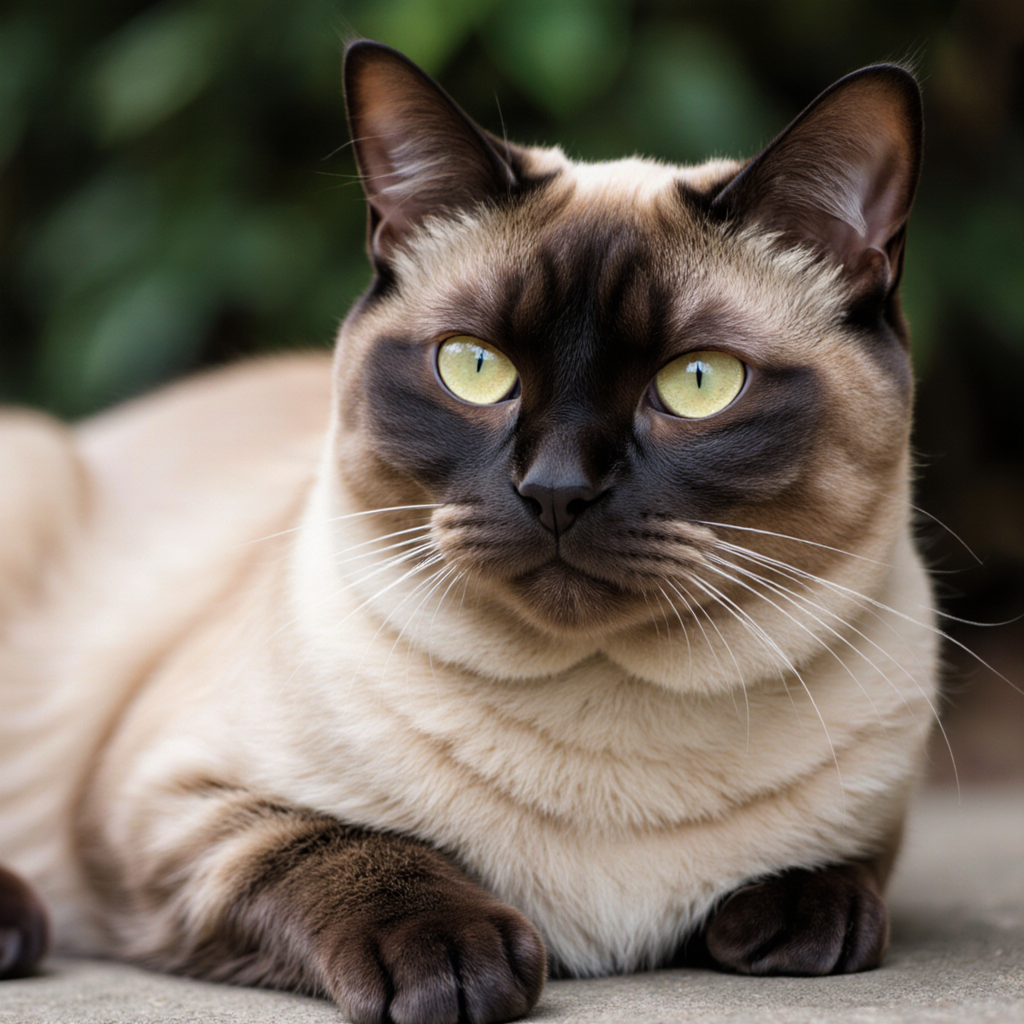
12. Burmese: The Velvet-Brick Cuddler.
Group: Shorthair
Height: 9 to 10 inches at the shoulder.
Weight: 8 to 12 pounds.
Personality: Affectionate, playful, and people-oriented. Often called “velcro cats” for their desire to be involved in all activities.
Shedding Level: Low.
Coat & Color: Short, satin-like coat that feels like polished silk. Traditionally sable brown, but now comes in blue, champagne, and platinum.
Life Span: 10 to 17 years.
Grooming Needs: Low. Their sleek coat needs only occasional petting or a soft brush to shine.
With a short, satin-like coat and muscular build (like a “brick wrapped in velvet”), Burmese shed very little and are often well-tolerated.
Pros:
Extremely affectionate and people-oriented, playful but not hyperactive, soft voice.
Cons:
Can be overly dependent, doesn’t like being alone, may follow you everywhere.
13. Tonkinese: The Best-of-Both-Worlds Blend.
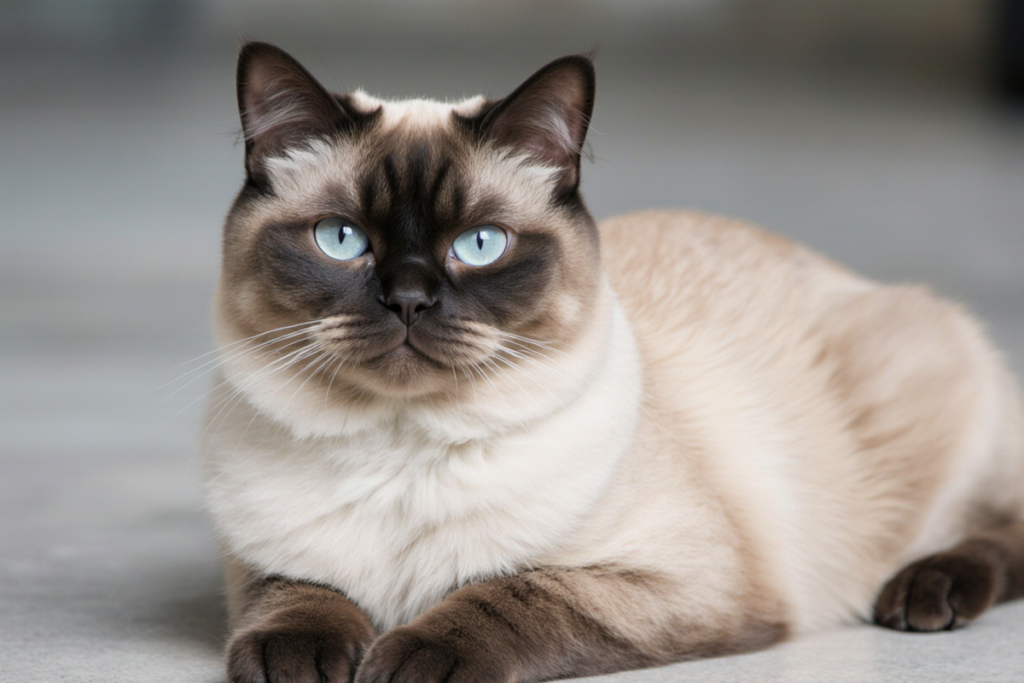
Group: Shorthair
Height: 8 to 10 inches at the shoulder.
Weight: 6 to 12 pounds.
Personality: Playful and affectionate. A perfect blend of the Siamese’s smarts and the Burmese’s sweet, people-loving nature.
Shedding Level: Low.
Coat & Color: Short, soft, and mink-like coat. Comes in natural mink, pointed, and solid patterns.
Life Span: 12 to 16 years.
Grooming Needs: Low. A quick weekly brush is sufficient to maintain their soft coat.
A cross between Siamese and Burmese, Tonkinese inherit the best traits of both, including a short, low-shedding coat that’s often hypoallergenic.
Pros:
Perfect middle ground in temperament, playful but not hyper, affectionate without being clingy.
Cons:
Can be mischievous, needs regular playtime, moderately vocal.
14. Ocicat: The Spotted Wild Look-Alike.
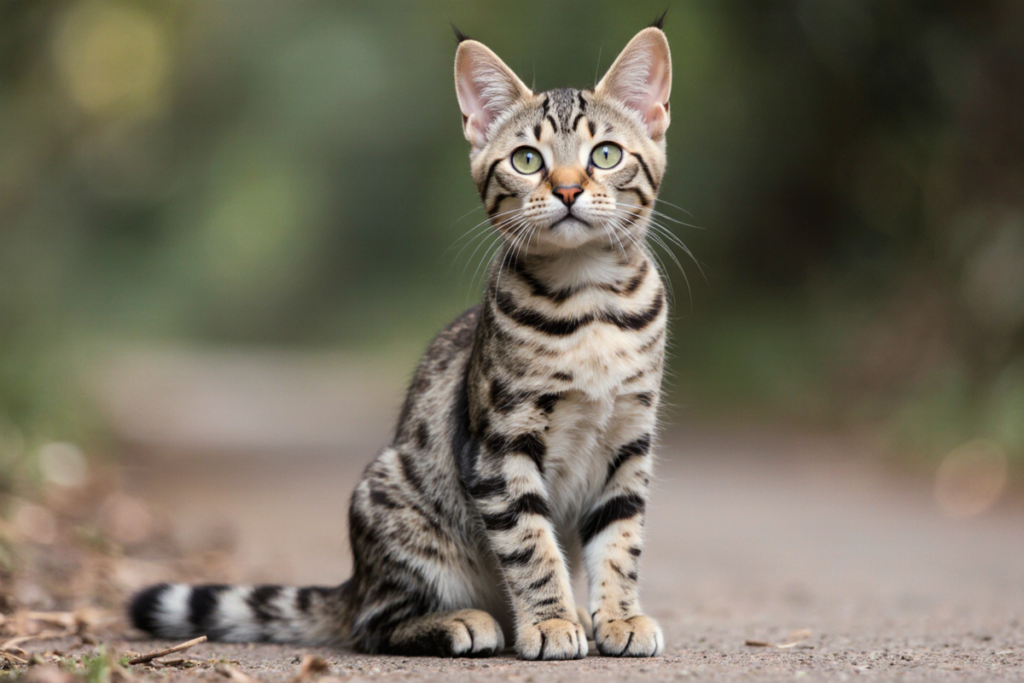
Group: Shorthair
Height: 9 to 11 inches at the shoulder.
Weight: 6 to 15 pounds.
Personality: Active, intelligent, and confident. Has a wild appearance but a devoted, dog-like personality.
Shedding Level: Low.
Coat & Color: Short, sleek, and spotted coat that resembles a wild ocelot. Comes in 12 tawny, chocolate, cinnamon, and silver color varieties.
Life Span: 10 to 15 years.
Grooming Needs: Low. Their easy-care coat requires only occasional brushing.
Despite their wild appearance, Ocicats are completely domestic with short, sleek coats that shed minimally and produce fewer allergens.
pros:
Dog-like personality, intelligent and trainable, gets along with everyone.
Cons:
Very active and needs space, can be destructive if bored, needs lots of engagement.
15. Bengal: The Mini-Leopard with Low Dander.
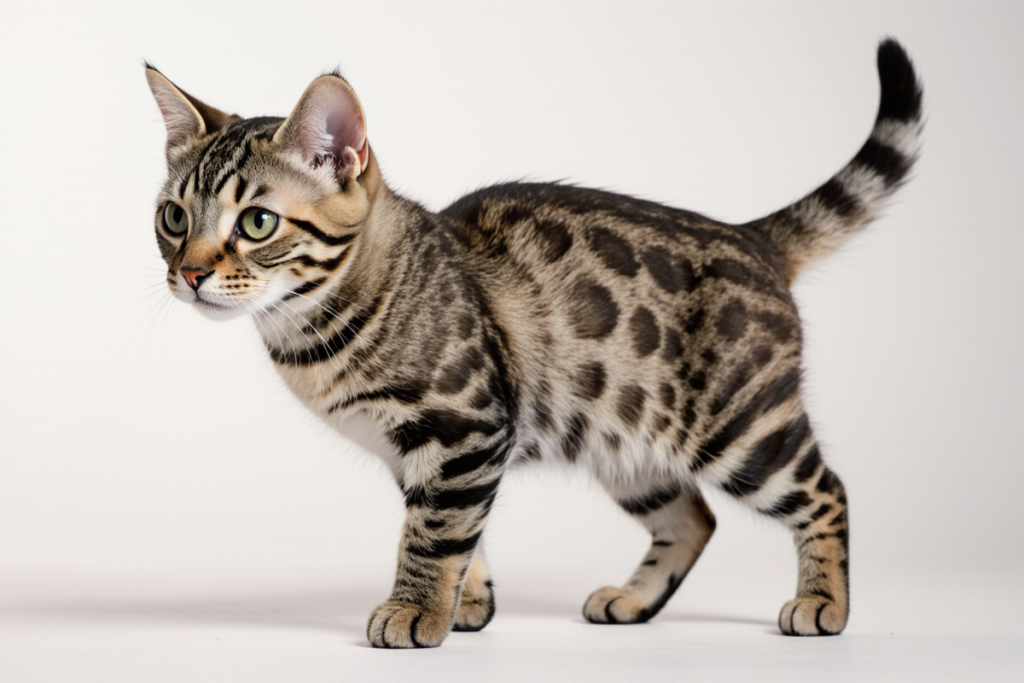
Group: Shorthair
Height: 8 to 10 inches at the shoulder.
Weight: 8 to 15 pounds.
Personality: Energetic, intelligent, and highly active. Requires lots of engagement and space to explore.
Shedding Level: Low.
Coat & Color: Short, exceptionally soft, pelt-like coat with glittered tips. Famous for its marbled or spotted rosette patterns.
Life Span: 12 to 16 years.
Grooming Needs: Low. Weekly brushing helps minimize shedding and enhances their natural shine.
Known for their stunning spotted coats, Bengals have exceptionally soft, pelt-like fur that sheds very little. Many allergy sufferers report tolerating them well.
Pros:
Strikingly beautiful, highly intelligent and active, playful and entertaining.
Cons:
Extremely high energy needs, can be destructive if bored, needs experienced owners.
16. Colorpoint Shorthair: The Colorful Relative.
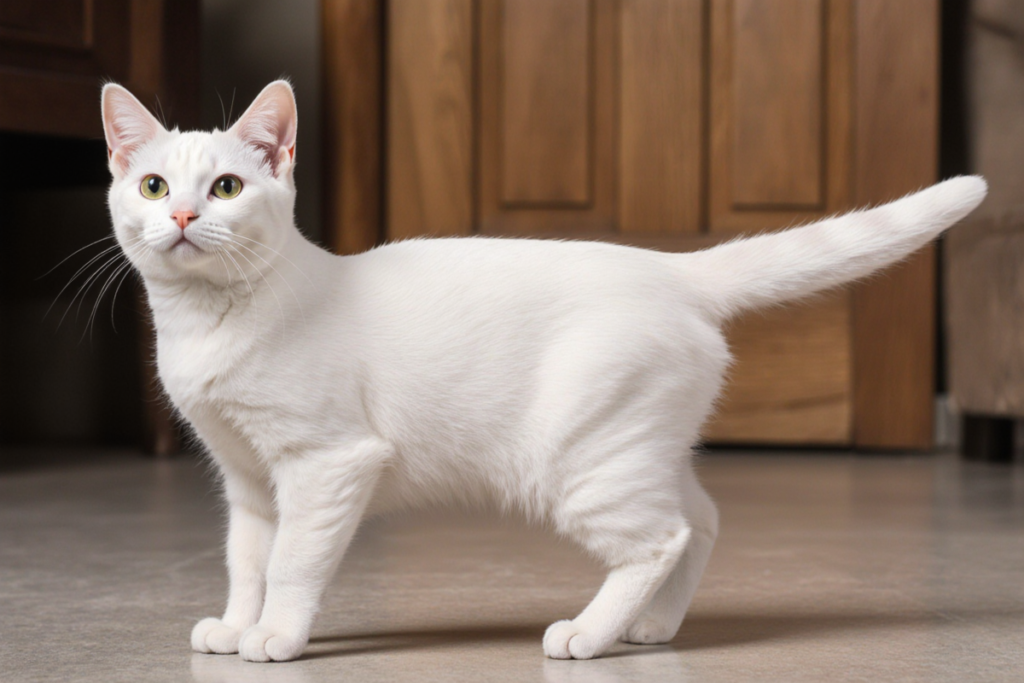
Group: Shorthair (Siamese-type)
Height: 8 to 10 inches at the shoulder.
Weight: 6 to 12 pounds.
Personality: Social, vocal, and affectionate. Essentially a Siamese cat bred in non-traditional red and lynx point colors.
Shedding Level: Low.
Coat & Color: Short, fine coat. Points come in red, cream, tortie, and lynx (tabby) patterns.
Life Span: 15 to 20 years.
Grooming Needs: Low. Same minimal grooming needs as the Siamese.
Essentially a Siamese in non-traditional colors, Colorpoints have the same short, fine coat and hypoallergenic qualities as their Siamese cousins.
Pros:
All the Siamese personality in more colors, affectionate and social, intelligent.
Cons:
Same vocal tendencies as Siamese, needs lots of attention, can be demanding.
17. Korat: The Silver-Blue Good Luck Charm.
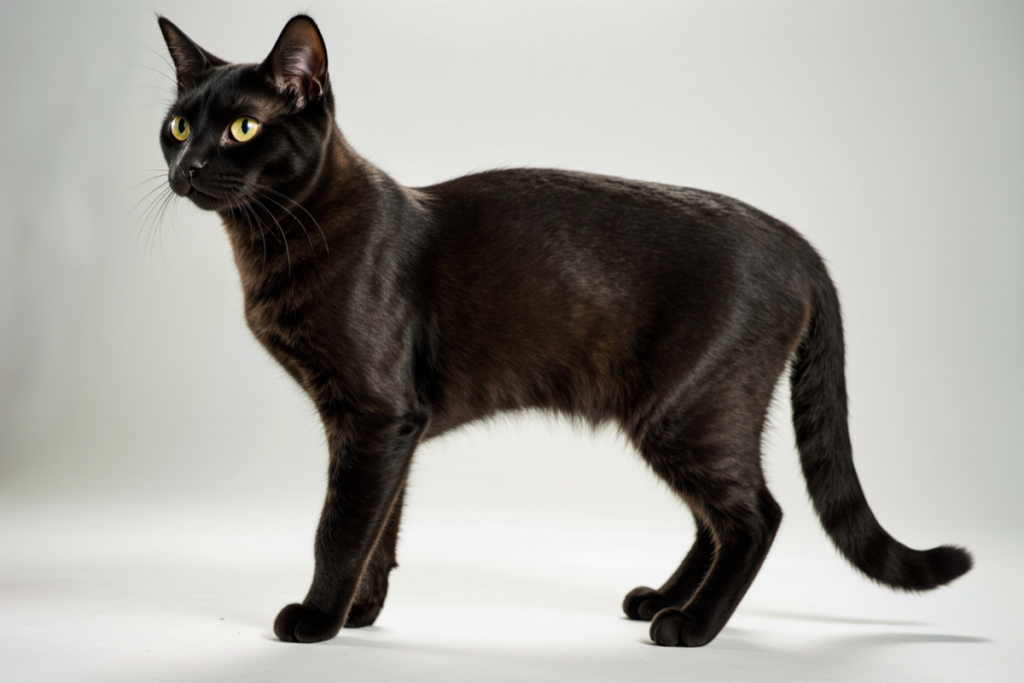
Group: Shorthair (Natural Breed)
Height: 9 to 12 inches at the shoulder.
Weight: 6 to 10 pounds.
Personality: Gentle, observant, and deeply loyal. Forms a strong, quiet bond with their family and can be reserved with guests.
Shedding Level: Low.
Coat & Color: Short, single coat that lies close to the body. Only one color is accepted: solid silver-blue with each hair tipped in silver.
Life Span: 10 to 15 years.
Grooming Needs: Low. A weekly brushing with a soft glove will maintain their coat’s sheen.
An ancient breed from Thailand, Korats have a single coat with no undercoat that lies close to the body, resulting in minimal shedding.
Pros:
Gentle and affectionate with family, intelligent and observant, forms strong bonds.
Cons:
Shy with strangers, sensitive to loud noises, doesn’t like changes in routine.
18. Turkish Angora: The Silky-Haired Athlete.
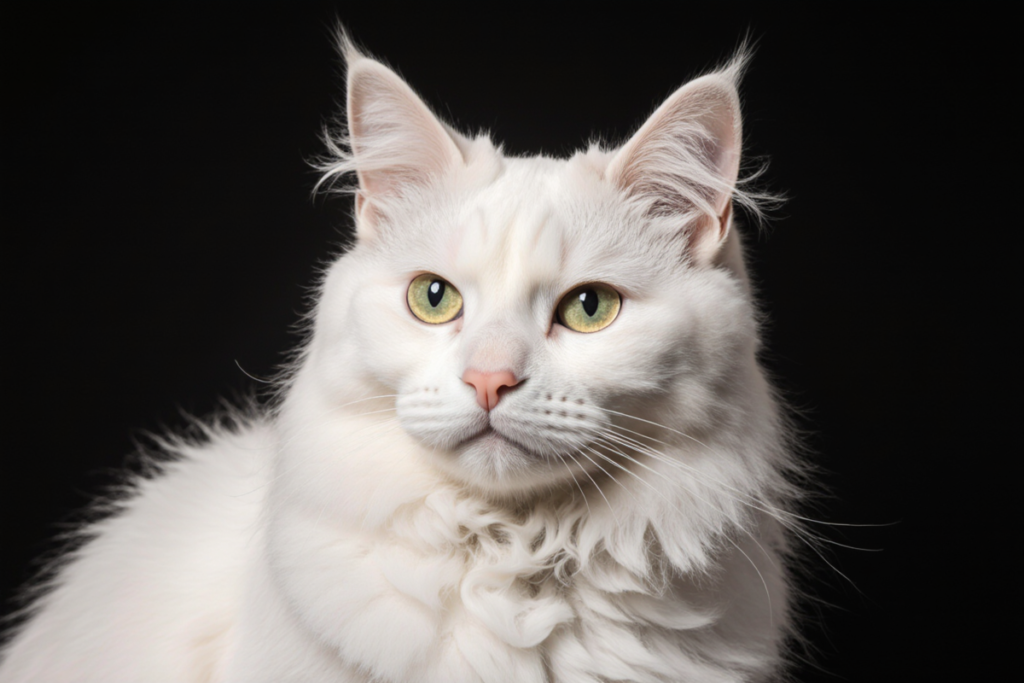
Group: Longhair (Natural Breed)
Height: 9 to 12 inches at the shoulder.
Weight: 5 to 10 pounds.
Personality: Playful, athletic, and intelligent. Often enjoys water and is known for its graceful, ballet-like movements.
Shedding Level: Moderate.
Coat & Color: Long, silky single coat with no woolly undercoat. Traditionally white, but now comes in many colors and patterns.
Life Span: 12 to 18 years.
Grooming Needs: High. Requires regular brushing (2-3 times per week) to prevent mats, despite the lack of undercoat.
With a single, silky coat (rather than a dense undercoat), Turkish Angoras shed less than other longhairs and may be better for allergy sufferers.
Pros:
Playful and athletic, intelligent and trainable, often enjoys water.
Cons:
Needs regular grooming, can be mischievous, very active and needs space.
7 Pro Tips for Bonding with Your Hypoallergenic Cat.
- The Slow Blink Technique: Practice “cat kisses” by slowly closing your eyes when your cat looks at you. This signals trust and affection in cat language.
- Scent Swapping: Sleep with a small towel for a few nights, then place it in your cat’s bed. This helps them associate your scent with comfort and safety.
- Interactive Play Sessions: Use wand toys for 10-15 minutes daily to mimic hunting. This builds confidence and creates positive associations with you.
- Treat Puzzles & Food Games: Engage their intelligence with food-dispensing toys or hidden treats. Mental stimulation strengthens your bond.
- Respect Their Boundaries: Learn to recognize when your cat needs space. Never force interaction—let them come to you.
- Consistent Routine: Cats thrive on predictability. Feed, play, and groom at similar times each day to build trust.
- Gentle Grooming Rituals: Even low-maintenance breeds benefit from regular brushing. This not only reduces allergens but becomes cherished bonding time.
Frequently Asked Questions About Hypoallergenic Cats
Q1: Are any cats 100% hypoallergenic?
A: No. The term “hypoallergenic” means “less likely to cause allergic reaction,” not “allergy-free.” All cats produce Fel d 1 protein, but hypoallergenic cat breeds produce less or spread it less effectively.
Q2: Why are Siberian cats considered hypoallergenic?
A: Siberian cats are hypoallergenic because many produce lower levels of Fel d 1 protein in their saliva. Research suggests some Siberians have a genetic mutation that reduces this allergen production, making them one of the best hypoallergenic cat breeds.
Q3: Are Maine Coon cats hypoallergenic?
A: Generally, no. Maine Coon cats are not hypoallergenic. They have long, dense coats that shed seasonally and can spread significant allergens. While individual reactions vary, they’re not typically recommended for severe allergy sufferers.
Q4: What’s the difference between Siberian Forest Cat and Siberian Cat?
A: They’re the same breed. “Siberian Forest Cat” emphasizes their origins, while “Siberian Cat” is the common name. Both refer to the same hypoallergenic Siberian forest cat.
Q5: How can I test if I’m allergic to a specific cat?
A: Spend extended time (2+ hours) with the specific cat you’re considering. Visit breeders multiple times, or ask about foster-to-adopt programs. Reactions can vary even within the same hypoallergenic cat breeds list.
Q6: Where can I find hypoallergenic cat breeds for adoption?
A: Check breed-specific rescue organizations, Petfinder.com (use the breed filter), and local shelters. Be honest about your allergies—many rescues will let you do trial visits to ensure compatibility.
Q7: Do male or female cats produce more allergens?
A: Intact males typically produce the most Fel d 1, followed by neutered males, then females. However, the difference between individual cats is often more significant than gender differences.
Q8: Besides breed choice, what reduces cat allergies at home?
A: Use HEPA air purifiers, wash bedding weekly in hot water, vacuum with HEPA filters, groom your cat regularly, use allergen-reducing wipes, and consider making your bedroom a cat-free zone.
Q9: Are Maine Coon cats hypoallergenic?
A: No, Maine Coon cats are generally not considered hypoallergenic. They are one of the most beloved breeds, but their long, dense coat sheds heavily, especially seasonally. This shedding disperses a significant amount of dander and allergens into the environment. While individual reactions can vary, they are not typically recommended for people with significant cat allergies and do not appear on reputable lists of hypoallergenic cats.
Making Your Final Decision.
Choosing from among the many hypoallergenic cat breeds requires careful consideration of both allergy management and lifestyle compatibility. Remember these key points:
- Individual Variation Matters: Even within the same breed, individual cats produce different allergen levels. Always spend time with the specific cat before committing.
- Coat Type Isn’t Everything: Some long-haired breeds (like Siberians) may be better for allergies than some short-haired breeds, thanks to their lower Fel d 1 production.
- Personality Matters Most: Your cat’s temperament should match your lifestyle. An active Bengal won’t thrive in a quiet apartment, while a shy Russian Blue might hide in a busy household.
- Commit to Management: Even with a hypoallergenic cat, you’ll need to maintain an allergen-reduction routine at home for best results.
- Consider Adoption First: Check shelters and rescues for hypoallergenic cat breeds for adoption before contacting breeders. Many wonderful cats need homes.
The journey to finding the right hypoallergenic cat is worth the effort. By combining the right breed choice with proper home management, you can enjoy all the love and companionship cats offer without constant allergy symptoms. Whether you choose a majestic Siberian, an elegant Russian Blue, or any of the other wonderful breeds on our list of hypoallergenic cats, you’re opening your home to years of purrs, play, and unconditional love.
Remember to consult with your allergist and spend quality time with any cat you’re considering. With patience and preparation, you’ll find the perfect feline friend who lets you breathe easy while filling your home with joy.