Finding Your Perfect Companion: The Best Dog Breeds for Seniors
The golden years are the perfect time to welcome the joy and companionship of a dog. The right pet offers friendship, a gentle routine, and even encourages daily activity. But with so many breeds, how do you find the best dog breeds for seniors? It’s not about a single “best” breed, but about finding the perfect match for your lifestyle, energy level, and home.
We’ll guide you through wonderful canine companions, from calm lap dogs to peppier pals for active seniors. You’ll find tips on what to look for and key considerations to ensure a happy life together for both you and your new best friend.
Key Qualities to Look for in a Senior’s Dog
Before we look at specific breeds, let’s talk about the ideal traits. Not all dogs are a good match for every person.
. Focusing on these qualities will help you narrow down your search, whether you’re looking for the best small dog for senior citizens or a calm medium-sized friend.
Temperament is King: You want a dog known for being affectionate, gentle, and eager to please. A calm, even-tempered dog is often a better fit than a highly anxious or stubborn one.
Size and Manageability: Smaller or medium-sized dogs are easier to handle on a leash, fit more comfortably in smaller living spaces like apartments or retirement communities, and are simpler to lift if needed.
Exercise Needs: Match the dog’s energy to your own. Some seniors want a walking buddy, while others prefer a companion happy with short strolls and lots of couch time.
Grooming Requirements: Be realistic about how much brushing, clipping, or professional grooming you can manage. Some best dog breeds for seniors that don’t shed require frequent haircuts instead.
Health and Longevity: Some breeds are prone to expensive health issues. Looking for generally healthy breeds with good longevity means more happy years together.
Top Recommended Breeds for Senior Companionship
This list includes a variety of wonderful dogs for seniors citizens, each with their own special charm. Remember, individual personalities can vary, so meeting a dog before you commit is always a great idea.
Best Small Dog Breeds for Seniors
s people grow older, companionship becomes more important than ever. For many seniors, a dog is not just a pet but a loyal friend who brings comfort, routine, and gentle activity into daily life.
However, not every dog breed is suitable for a senior lifestyle. Factors like energy level, size, grooming needs, and temperament matter a lot. In this guide, we’ve selected the best dog breeds for seniors in 2026 that are calm, affectionate, and easy to manage for different lifestyles.
1 .The cavalier king Charles spaniel: the Ultimate Lap Dog.
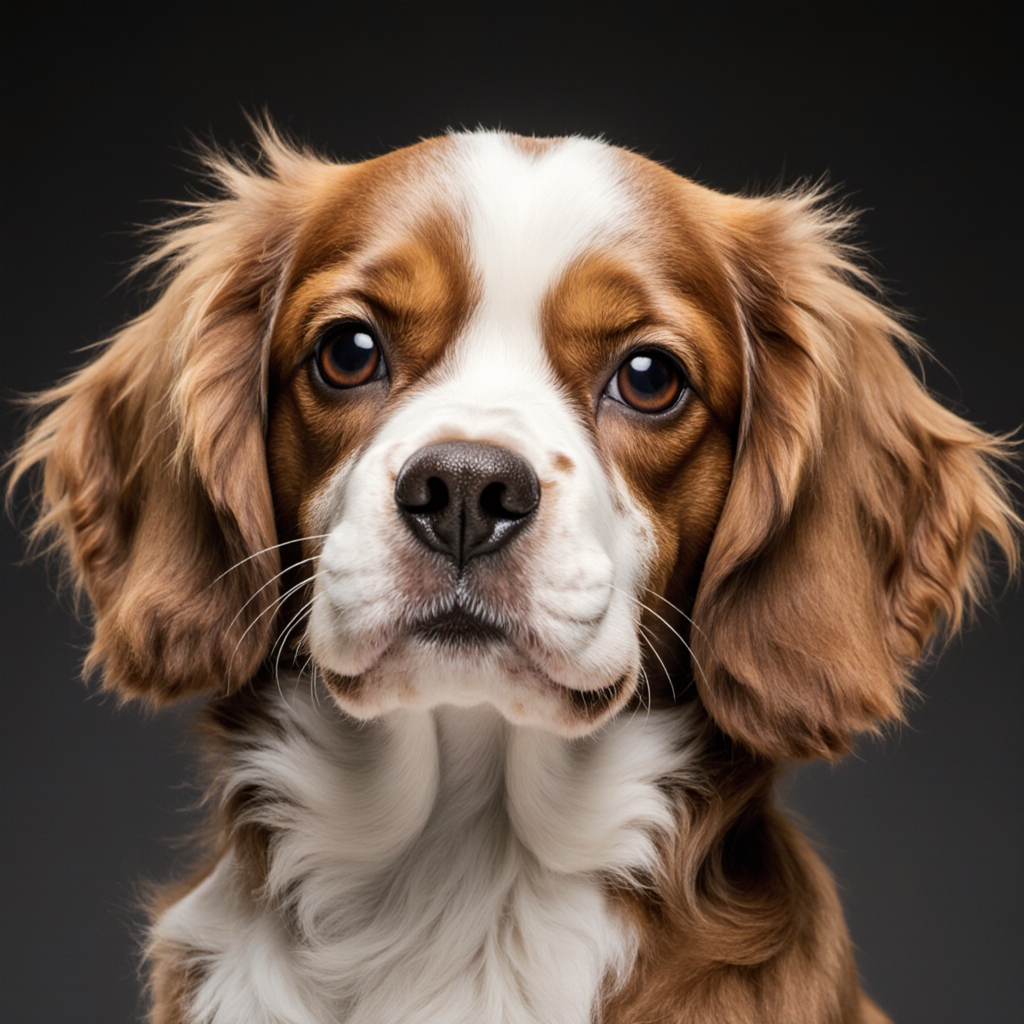
Group: Toy.
Height: 12-13 inches.
Weight: 13-18 pounds.
Personality: Affectionate, gentle, graceful. They live to love and be loved, getting along with everyone.
Energy Level: Moderate. They enjoy a daily walk but are equally happy cuddling on the sofa.
Coat and Colors: Long, silky coat. Colors include Blenheim (chestnut and white), Tricolor, Black and Tan, and Ruby.
Life Span: 12-15 years .
If you are looking for a gentle, loving and good companion, look no further. The cavalier is the epitome of a companion dog.
Why It’s Great for Seniors
Their adaptable nature means they are content with whatever you are doing. They are one of the most loyal dog breeds for elderly people who form a bond with their person.
2.The Pug: The Clownwish Charmer.
Group: Toy.
Height: 10-13 inches.
Weight: 14-18 pounds.
Personality: Even-tempered, charming, mischievous, and loving.
Energy Level: Low to Moderate. They have bursts of playfulness but are champion nappers.
Coat and Colors: Short, fine coat. Colors are fawn with a black mask or all black.
Life Span: 13-15 years.
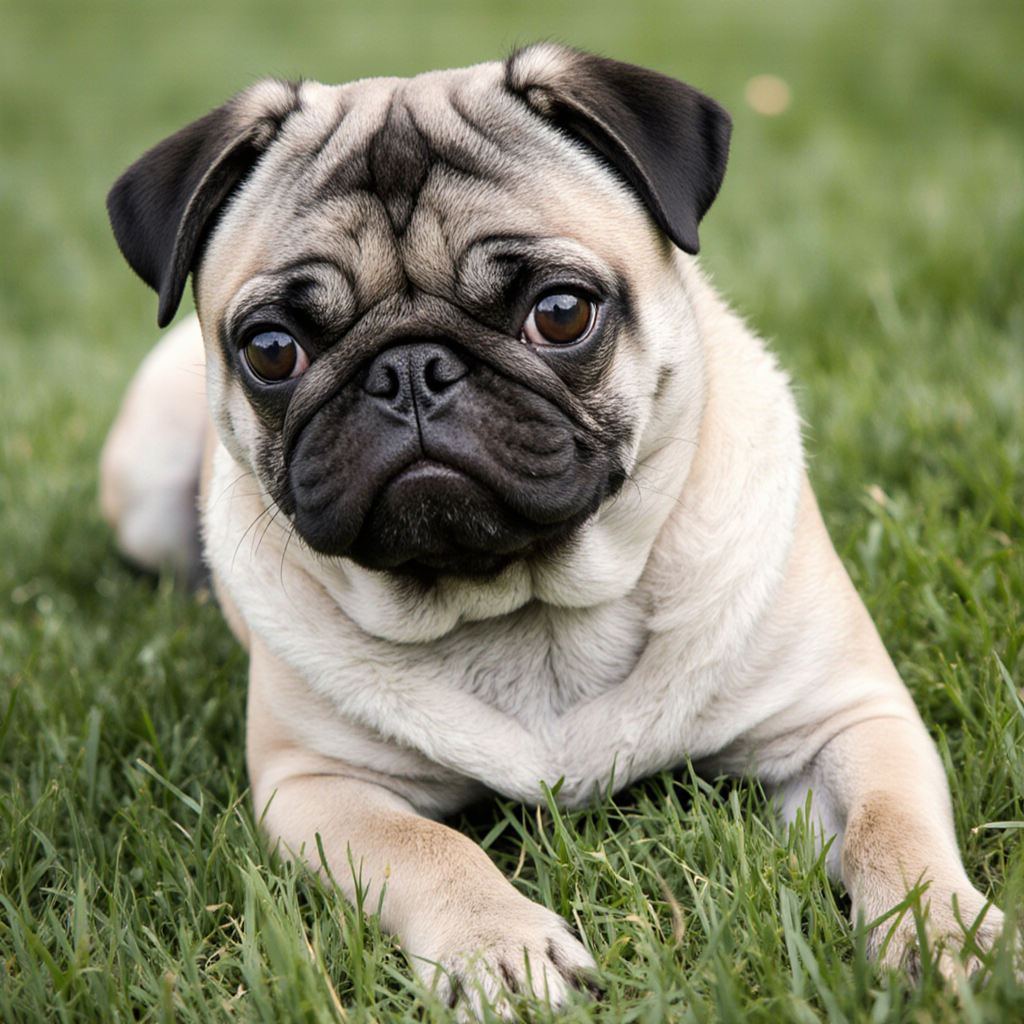
Pugs are small dogs with big personalities. They are strong, playful, and incredibly affectionate dogs that will brighten your every day.
Why It’s Great for Seniors
Their low exercise requirements and minimal grooming make them happier with less maintenance. They are true companions who thrive on human attention.
Best Medium Dog Breeds for Seniors
So let’s talk about medium-sized dogs. If you have a little more space and want a sturdy walking companion, a medium-sized dog might be the perfect fit for you. These best dog breeds for elderly offer a wonderful balance for you.
3.The Basset Hound
Group: Hound.
Height: Up to 15 inches.
Weight: 40-65 pounds.
Personality: Patient, low-key, charming. A true gentle soul.
Energy Level: Low. A daily, slow-paced walk is perfect for them.
Coat and Colors: Short, smooth coat. Colors are typically a combination of white, black, and brown (tri-color) or white and lemon.
Life Span: 12-13 years.
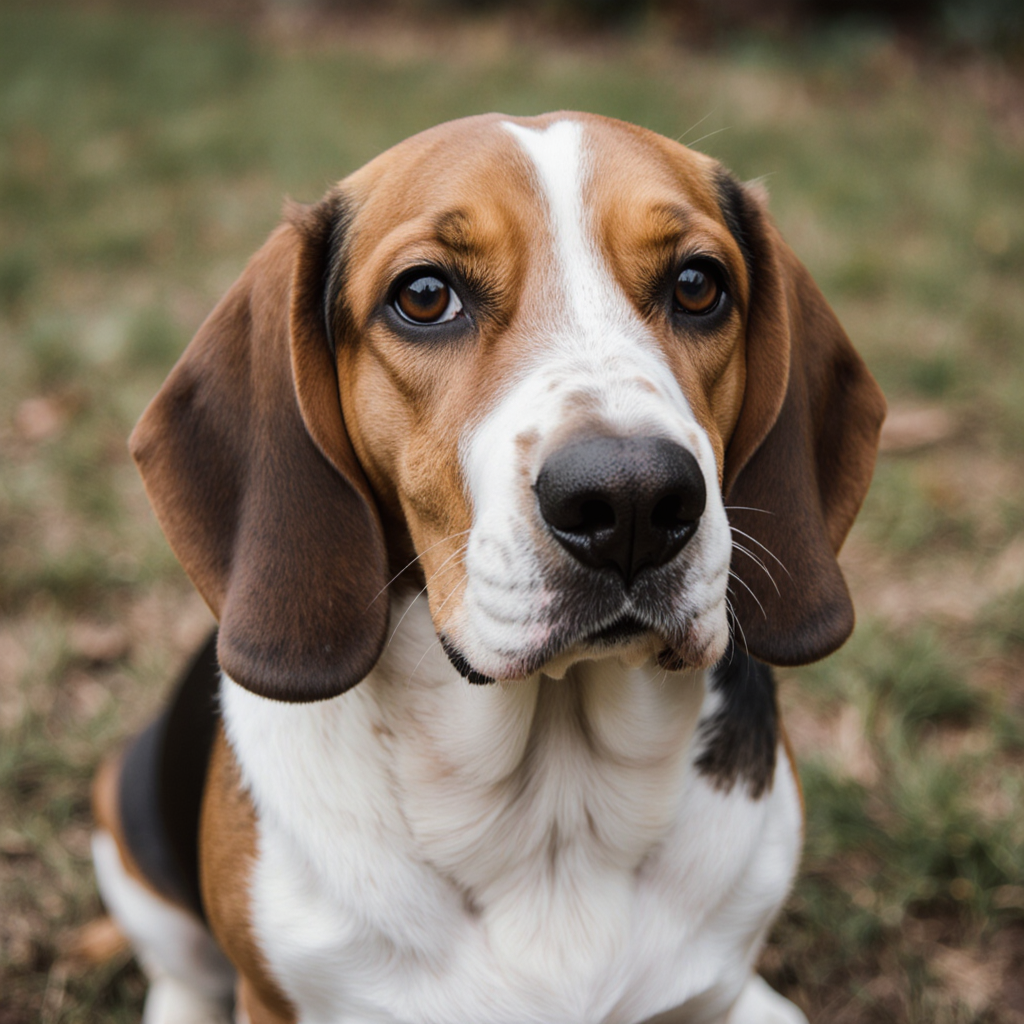
Don’t go by his sad eyes. The Basset is one of the easiest and calmest dog breeds for seniors. They are known for their loyalty and distinctive and adorable appearance.
Why It’s Great for Seniors
Their calm demeanor is contagious. They are not fussy and are perfectly happy with a relaxed routine, making them great for quiet households.
Best Large Dog Breeds for Seniors
So let’s talk about large dogs, yes, A large dog can be a wonderful companion for a senior, but it is obvious that they require more space to keep. Many large breeds are surprisingly calm and gentle, and best of all, they require little exercise.
4.The Greyhound.
Group: Hound.
Height: 27-30 inches.
Weight: 60-70 pounds.
Personality: Gentle, athletic, calm, and independent yet sweet.
Energy Level: Low. They require a few short walks and a chance to run in a secure area occasionally, but they sleep up to 18 hours a day!
Coat and Colors: Short, smooth coat. Colors include black, white, fawn, brindle, and more.
Life Span: 10-13 years.
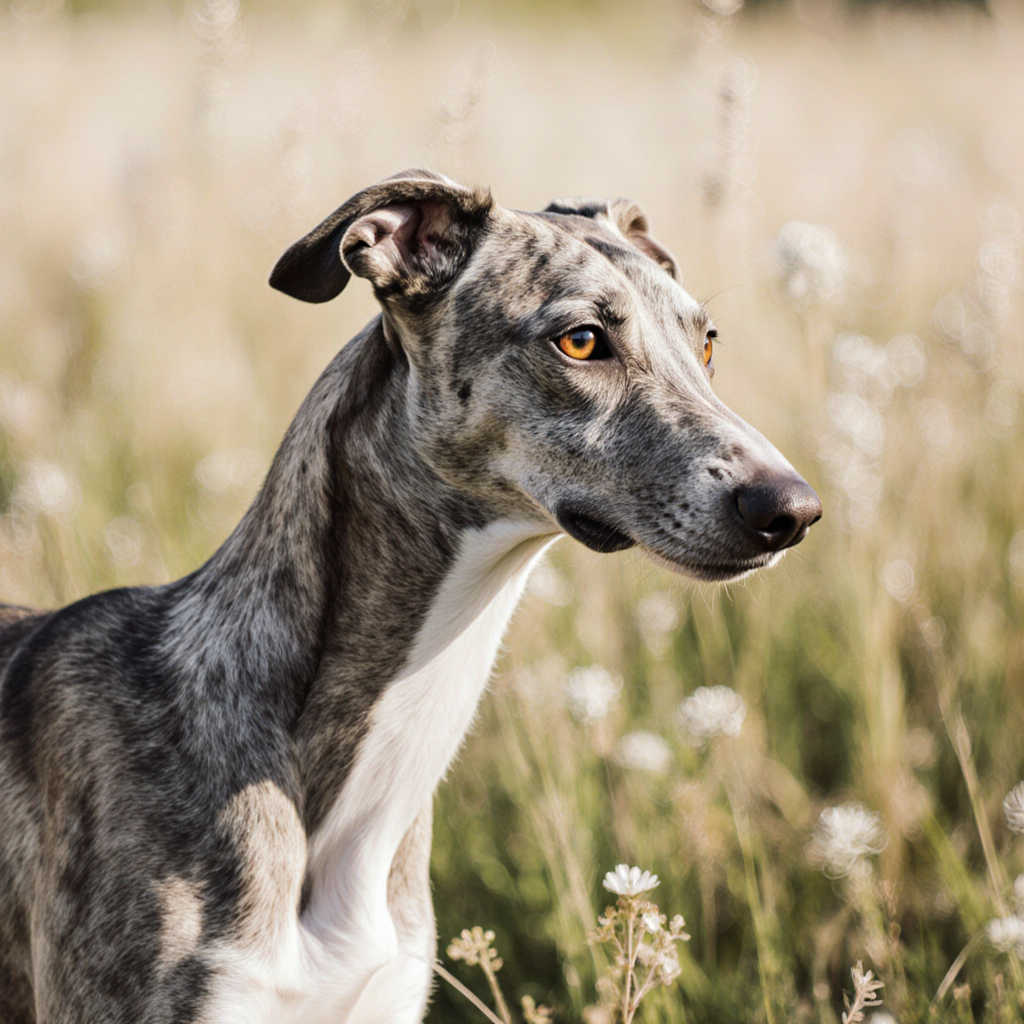
This is the most surprising entry Greyhounds are famous racers but retired racers are actually some of the quietest breeds for seniors.
Why It’s Great for Seniors
Firstly, their calm nature indoors makes them ideal apartment dogs, and secondly, adopting retired racers is a particularly rewarding experience.
Hypoallergenic Dog Breeds for Seniors
The dogs I’m talking about are a breed for those special people who mostly have allergy problems.You want an exceptionally loyal friend or want a little extra security.Below I have told the hypoallergenic about allergic dogs. If you want to know more about allergic dogs, I have written a separate article for that, you can go and read it.
5.The Bichon Frise.(Top hypoallergenic Dog Breeds for Seniors)
Group: Non-Sporting.
Height: 9.5-11.5 inches.
Weight: 12-18 pounds.
Personality: Playful, curious, and peppy. They have a happy-go-lucky attitude.
Energy Level: Moderate. They need daily play and walks but aren’t hyper.
Coat and Colors: Curly, white double coat that requires regular grooming.
Life Span: 14-15 years.
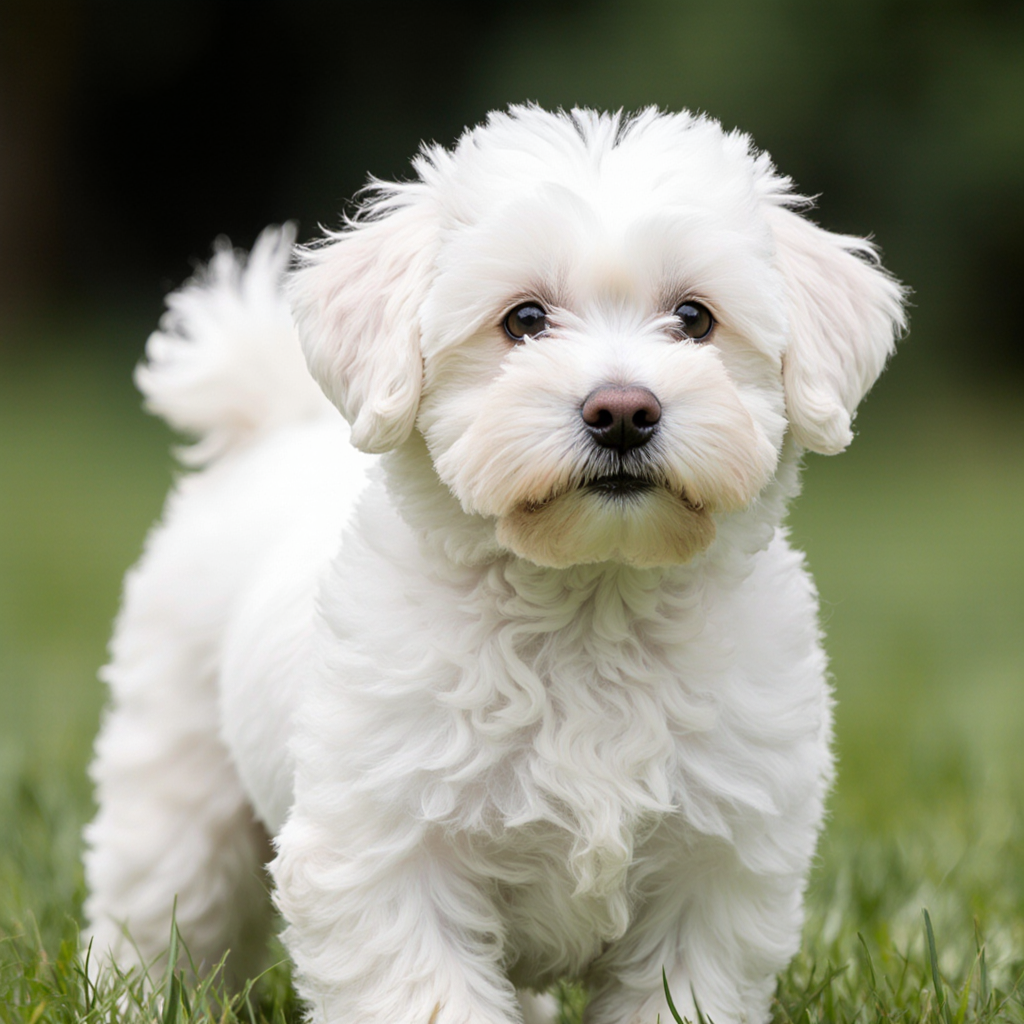
Dog allergies are usually caused by dander rather than fur. Hypoallergenic breeds like the Bichon Frise produce less dander, which may help reduce allergy symptoms for sensitive owners.
Why It’s Great for Seniors
Their hypoallergenic properties are a major plus. Their small size and friendly nature make them wonderful companions.
Important Considerations Beyond Breed
While breed gives you a good starting point, there are other fantastic paths to finding your companion.
Adopting an Adult or Senior Dog: Often the best dog for seniors is an older dog. They’re typically calmer, house-trained, and have an established personality. What you see is what you get, and you’re giving a wonderful animal a second chance. Shelters can help match you with a perfect-fit mutt!
Health and Financial Planning: Budget for quality food, routine vet care, and unexpected medical costs. Pet insurance or a dedicated savings account can provide peace of mind. Remember, smaller dogs often live longer, which is a longer-term commitment.
Your Lifestyle Match: Be honest with yourself. Do you travel often? Do you have a secure yard? How are your mobility and strength? Answering these questions honestly is the true secret to finding a harmonious match.
Frequently Asked Questions
What is the best small dog for senior citizens with limited mobility?
A Cavalier King Charles Spaniel or a gentle senior Shih Tzu from a rescue are excellent choices. They are primarily focused on companionship, require minimal intense exercise, and are happy with short, gentle outings and lots of quiet time together.
What are the best dogs for elderly couples?
Breeds known for even tempers and adaptability are perfect. Poodles, Cavaliers, and Cocker Spaniels often bond well with both people and fit smoothly into a couple’s shared routine. Visiting a shelter together to meet adult dogs can also lead to a wonderful joint companion.
Are there good dog breeds for seniors that don’t shed?
Yes. Poodles, Bichon Frises, Maltese, and Miniature Schnauzers are all considered low-shedding or non-shedding breeds. Keep in mind that their coats require regular brushing and professional grooming to stay healthy and mat-free.
What should I look for when meeting a potential dog?
Observe their energy. Is the dog calm or jumping wildly? See how they respond to gentle petting and a quiet voice. Ask the breeder or shelter staff about the dog’s known history with house training, barking, and being alone. A trial visit or foster-to-adopt arrangement can be very helpful.
Are small dogs better for seniors?
Small dogs are often easier to manage, require less exercise, and are suitable for apartments and senior lifestyles.
Which dog breeds need the least exercise?
Breeds like Pugs, Basset Hounds, and Greyhounds have low daily exercise needs.
Are dogs good companions for seniors living alone?
Yes, dogs provide emotional support, companionship, and a daily routine that benefits mental health.
My Last Words.
Bringing a dog into your life during retirement can fill your days with purpose, laughter, and unwavering friendship. The key is to take your time, do your research, and choose with both your head and your heart. Whether you find a purebred puppy or a grateful rescue mutt, the bond you’ll form is one of life’s greatest rewards. Here’s to many happy, tail-wagging years ahead.